Sonchus arvensis L.
Summary
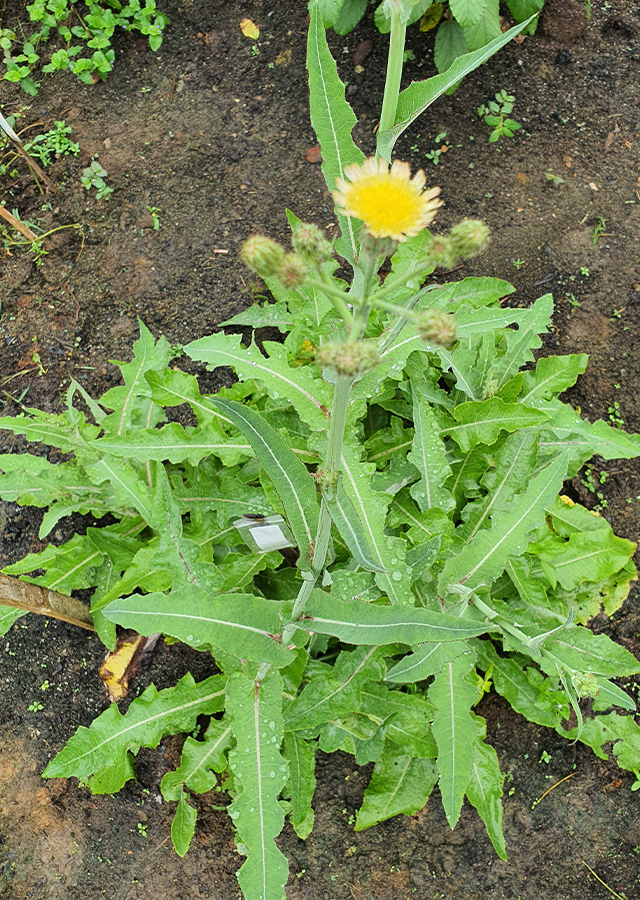
Tempuyung (Sonchus arvensis) is an upright herb up to 30-150 cm tall of the Asteraceae family, native to Southern Europe, North Africa, and the Middle East. Europeans once believed it increased cow milk yield, so it was widely grown in pastures. Tempuyung is now popular in Indonesia as a traditional remedy for dissolving kidney stones and gallstones.
Agroecology
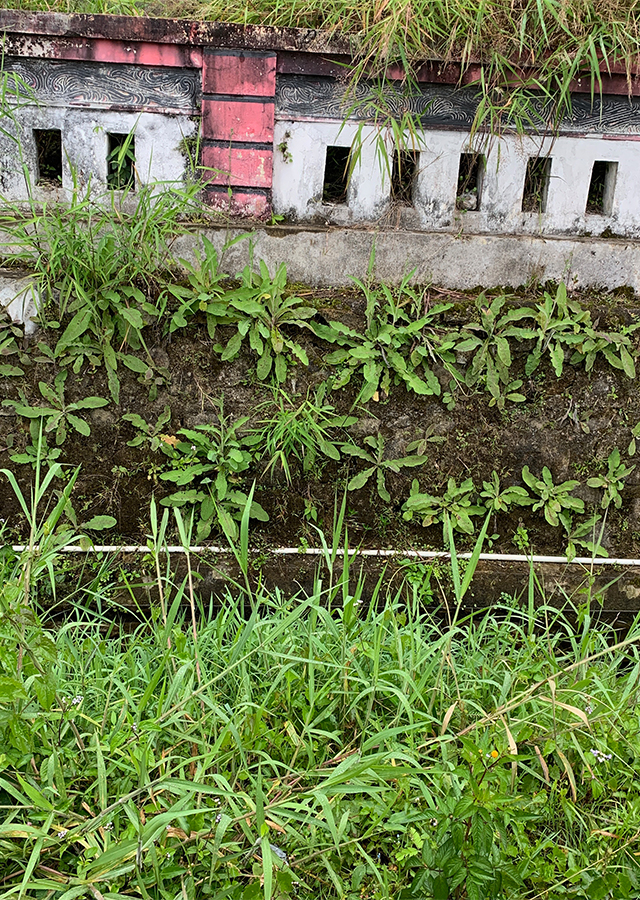
This plant grows wild in open, sunny or slightly shaded places such as cliffs, waterway edges, or abandoned land. It thrives in high-rainfall areas at elevations of 50-1,650 m above sea level.
Morphology
- Root a sturdy taproot.
- Stem hollow, exuding white latex.
- Leaves single, lance-shaped or oblong with serrated edges, often moist and finely hairy.
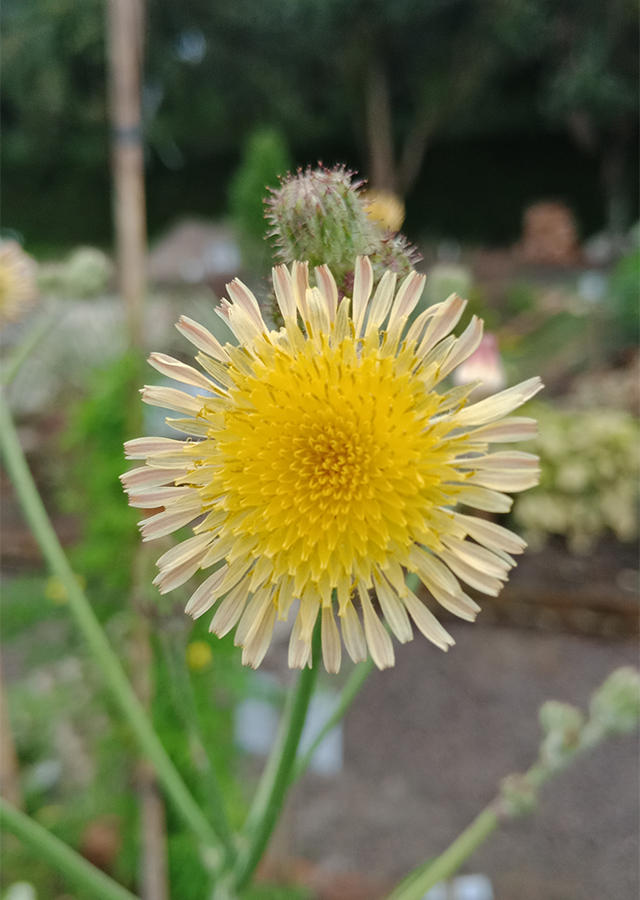
- Flowers head-shaped, corolla needle-shaped and bright yellow turning reddish-brown.
- Fruit elongated box-shaped, five-ribbed, flat, hairy, and yellowish-brown in color.
Cultivation
Propagated using seed. Seeds are pre-sown first; after 1 week, tempuyung seedlings can be transplanted into nursery media in polybags.
Chemical Content
Alpha-lactucerol, β-lactucerol, mannitol, inositol, silica, potassium, flavonoid, taraxasterol, volatiles (decanal, eicosane, phytol, docosane), aliphatic hydrocarbon, benzoic acid.
Benefits
Treats gout, kidney stones, urinary stones, gallstones, cough, asthma, bronchitis, remedy for swelling and as a sedative.
Simplisia
- Choose tempuyung that is 2 months old.
- Wash the leaves thoroughly then drain.
- Chop the leaves into small pieces.
- Dry in direct sunlight for about 6 days.
- Once dry, store in an airtight container.
Local Names
Lempung jombang, Lobak air, Lampenas, Galibug and Rayana (Sunda).
Traditional Recipes
The following recipes reflect traditional knowledge passed down through generations, not a substitute for professional medical diagnosis or advice. Consult a healthcare provider before use.
1. Mastitis
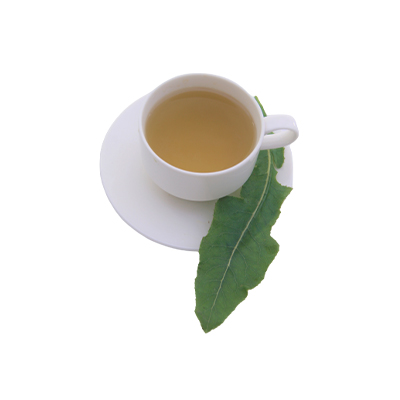
- Boil 15 g fresh tempuyung leaves with 3 glasses of water until boiling and reduced to 1 glass.
- Once cool, strain and drink all at once.
- Drink 2-3 times a day.
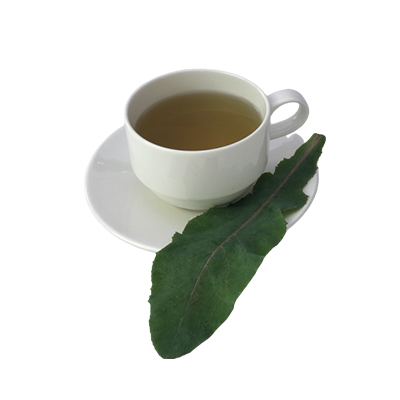
2. Urinary stones
- Boil 0.25 g dried tempuyung leaves with 250 ml clean water until reduced to 150 ml.
- Cool, strain and divide into three doses, to be finished within a day.
- Treat daily until recovered.