Sorghum bicolor (L.) Moench
Summary
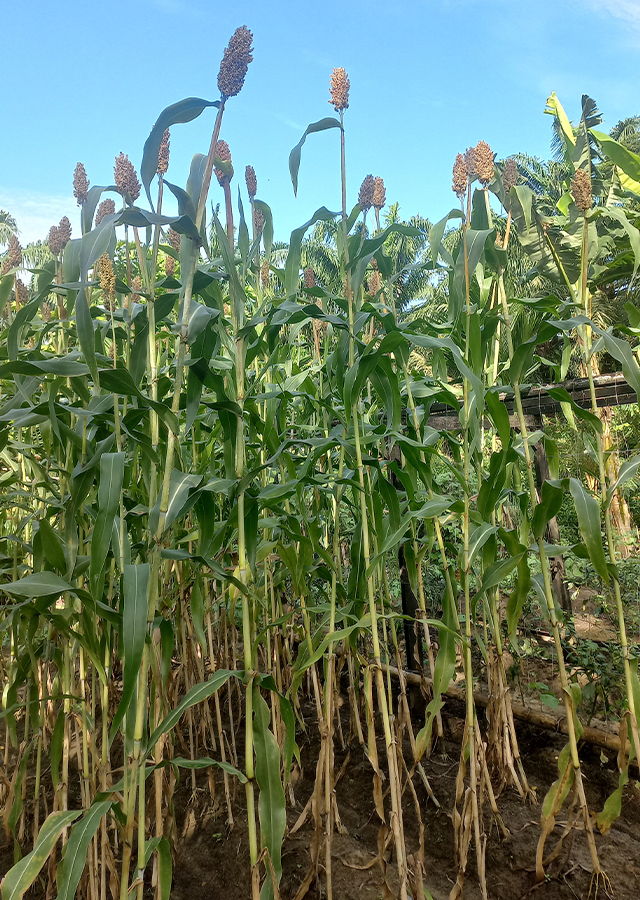
Sorgum (Sorghum bicolor) is an annual herb up to 5 meters tall from the Poaceae family, a plant native to Chad, Ethiopia, and Sudan. Its grain is processed like rice or ground into bread flour, while its sweet stalk can be eaten directly. Sorgum is traditionally believed to have demulcent and diuretic properties, helping address kidney complaints and anemia.
Agroecology
Sorghum is a tropical and subtropical plant, widely found in semi-arid regions and at elevations up to 2,500 m asl. Grows best in areas where annual daytime temperatures are in the range of 22-35 °C, but can tolerate 8-40 °C. It prefers an average annual rainfall in the range of 400-600 mm, but tolerates 300-700 mm. The plant is fairly easy to grow, requiring a warm, sheltered and sunny position, preferring slightly acidic to moderate soil. The plant adapts to various soil types, from light loam to heavy loam, growing best on light and easily worked soil with high fertility, with moderate to high water availability. Well-drained soil is suitable for sorghum. Prefers a pH in the range of 5.5-7.5, tolerating 5-8. The plant is fairly salt-tolerant. Established plants are very drought-resistant, succeeding in arid and nutrient-poor soil.
Morphology
- Roots fine lateral roots.
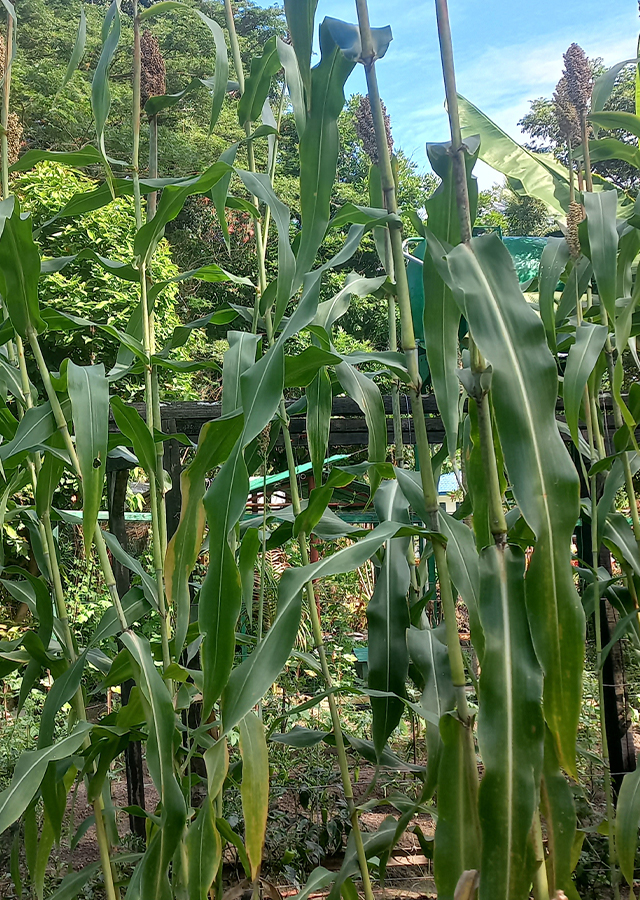
- Stem cylindrical, upright and jointed, each segment has grooves arranged alternately. From each node emerges a leaf opposite the groove.
- Leaves round in shape, with a broadly rounded base. Leaf blades are 30-100 cm long and 5-10 mm wide, hairless and waxy. The leaf sheath surrounds the stem and has overlapping edges.
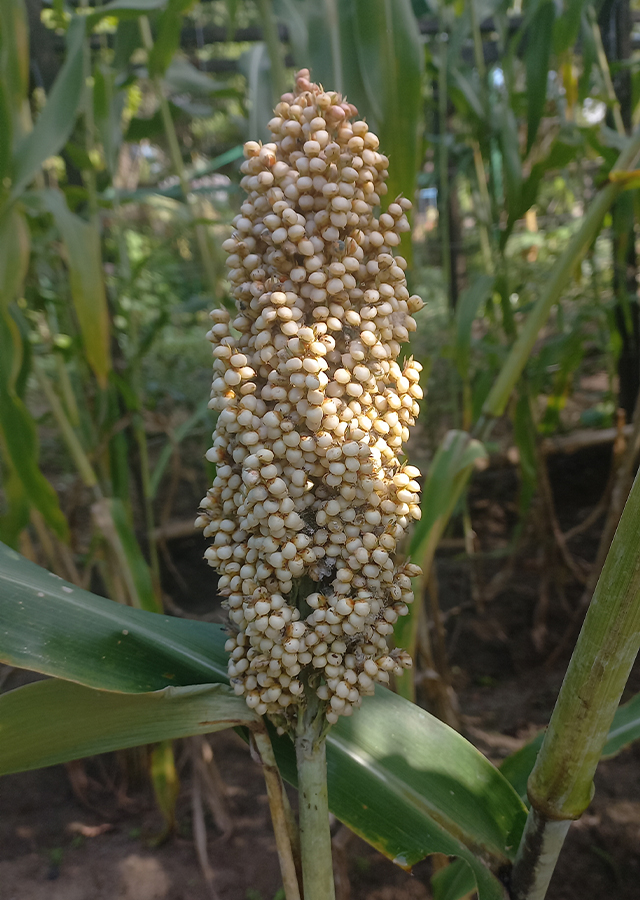
- Flowers a panicle up to 40 cm long, loose and open. Spikelets are sessile, up to 6 mm long. Upper branches tend to droop.
- Fruit a caryopsis (grain) that opens when ripe.
- Seeds oblong-round or ovate shape and consist of three parts: the outer skin, embryo, and endosperm. Sorghum seed coat color is white, red and brown.
Cultivation
Propagation generatively with seeds. Seeds are sown in place and the seed is covered with soil. Germination should occur within 2 weeks if given a minimum germination temperature of 23 °C.
Chemical Content
Phytosterols, policosanol, carotenoids and phenolic compounds, including flavonoids, tannins, anthocyanins.
Benefits
Treatment of kidney complaints and urination, treatment of anemia, treatment of jaundice, addresses stomach ache. Has demulcent and diuretic, antimicrobial and antifungal, astringent and hemostatic properties.
Simplisia
- Prepare sorghum leaf sheaths and wash until clean.
- Dry under sunlight or with an oven at 40 °C until moisture content reaches 10%.
- Store in a clean, airtight place.
Local Names
Cantel, Jagung cantel, Durra, Jowari or Milo.
Traditional Recipes
The following recipes reflect traditional knowledge passed down through generations, not a substitute for professional medical diagnosis or advice. Consult a healthcare provider before use.
1. Anemia
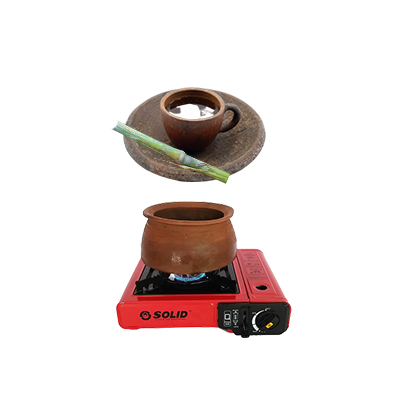
- Prepare sorghum plant twigs and wash until clean.
- Cut into pieces then boil.
- Let stand until warm/cool.
- Strain, add lemon juice.
- Drink for anemia sufferers.
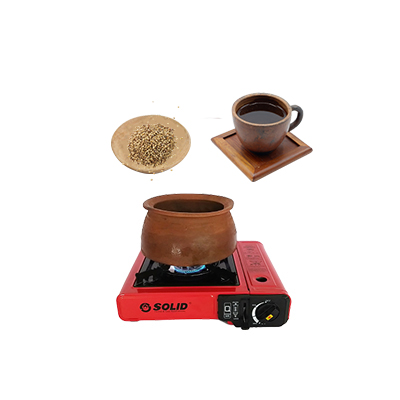
2. Stomach ache
- Prepare sorghum plant seeds and wash until clean.
- Boil until boiling.
- Let stand until warm/cool.
- Strain, then drink to relieve stomach ache.
Reference Sources
- Useful Tropical Plants Database. 2021. Sorghum bicolor. https://tropical.theferns.info/viewtropical.php?id=Sorghum+bicolor. 02-10-2021.
- Royal Botanica Gardens. 2021. Plants of the World Plants : Sorghum bicolor (L.) Moench. http://www.plantsoftheworldonline.org/taxon/urn:lsid:ipni.org:names:422090-1. 02-10-2021.
- Flora Fauna Web. 2019. Sorghum bicolor. https://www.nparks.gov.sg/florafaunaweb/flora/7/1/7163. 02-10-2021.
- Norma Julieta Salazar Lopez, Gustavo Gonzalez Aguilar, Ofelia Rouzaud Sandez, Maribel Robles Sanchez. 2018. Technologies applied to sorghum (Sorghum bicolor L. Moench): changes in phenolic compounds and antioxidant capacity. Food Science and Technology (Campinas) 38(3). August 2018. DOI:10.1590/fst.16017.