Strophanthus gratus (Wall. & Hook.) Baill.
Summary
Strophanthus gratus or strofantus ungu is a woody liana native to West and Central Africa, from Senegal to Congo, known to be very poisonous and long used as arrow poison material by local communities. Even so, its rose-scented flowers make it popular as an ornamental climbing plant, while in traditional African medicine its extract is used to address snake bites and gonorrhea—its seeds were even once processed into a heart stimulant medicine in several European countries, especially Germany.
Agroecology
Strofantus ungu is widely grown in tropical regions, and in greenhouses in temperate zones. Found growing in primary and secondary moist forests, and often at forest edges or riverbanks, at elevations from sea level up to 650 m asl. In Java, this species is cultivated and grows well up to elevations of 1,000 m asl. This species prefers a sunny position in moist but well-drained, fertile, humus-rich soil, and moderate water requirements. When grown in humid areas, the plant can flower year-round.
Morphology
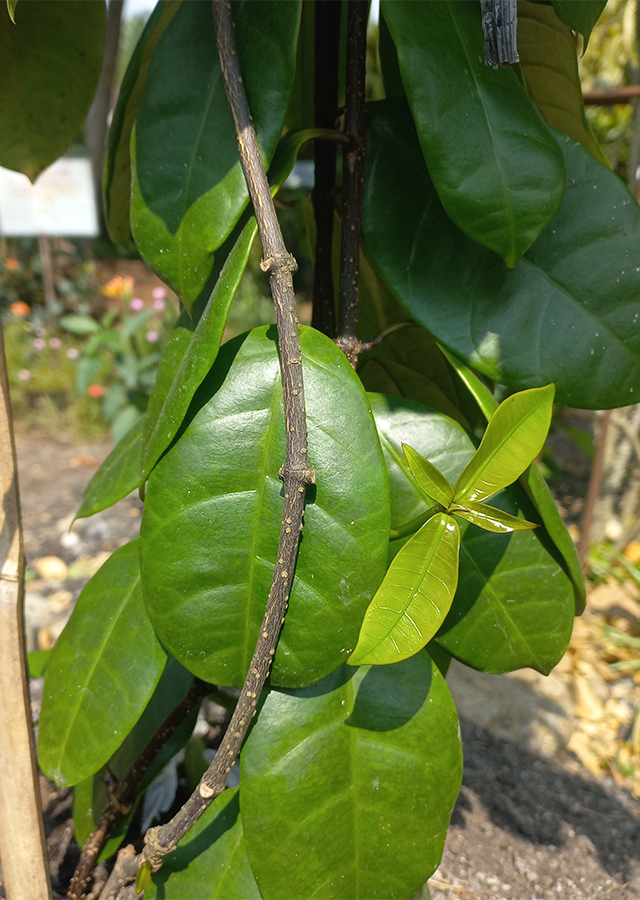
- Stem hairless, branching, branches dark brown or purplish, with lenticels, with clear or white exudate. In older plants often with corky protrusions.
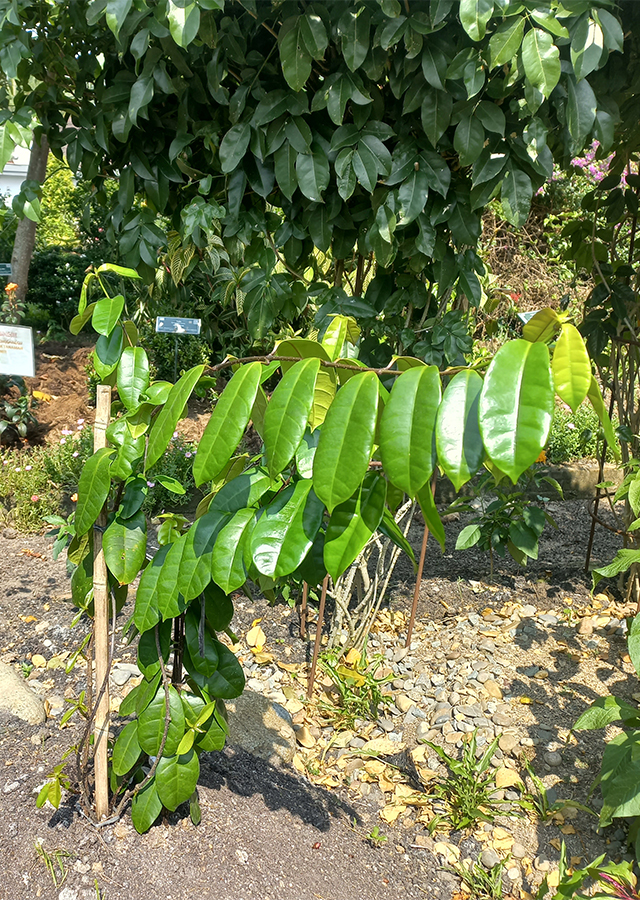
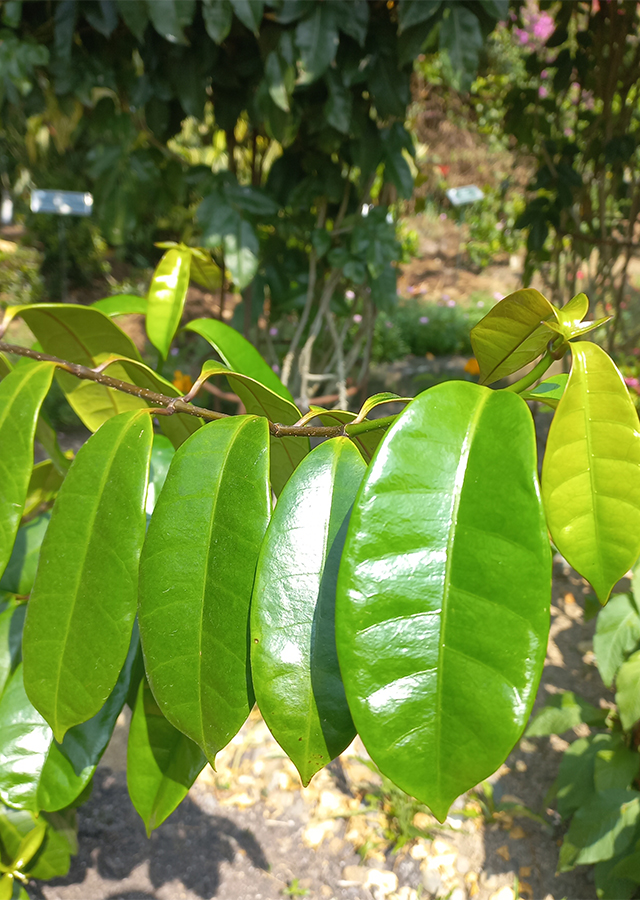
- Leaves simple, opposite, hairless, green, ovate, obovate, or elliptic shaped, base rounded or cuneate, tip acuminate, margin entire, petiolate (about 5-32 mm long).
- Flowers bisexual and fragrant. Petals have 5 pink lobes, corolla tubular, 1.9-4.2 times as long as the calyx, white, turning yellowish near the outer base, reddish or purple near the outer mouth, with red or purple streaks inside. Sepals oblong to broadly oblong, hairless. Stamens about 3-15 mm long, inserted 14-21 mm from the base of the corolla tube. Ovary half-inferior, 2-celled, ending in a ring-like stigma head surrounding a small stigma. Bracts ovate or triangular. Flowers borne on terminal cymes, cyme with 3-32 flowers (1-6 flowers open at once).
- Fruit a divergent follicle consisting of 2 ellipsoid follicles, tapering to a narrow, blunt tip ending in a large knob, 2-valved, joined or connate to each other at the base, thick and hard-walled, slightly grooved, hairless, with many lenticels, many-seeded.
- Seeds spindle-shaped, somewhat rough, hairless, with a beak up to 6 cm long at the tip.
Cultivation
Plant propagation is generative through seed, and vegetative through stem cuttings.
Chemical Content
Cardiac glycosides (ouabain), the lignan pinoresinol, 8-hydroxypinoresinol, olivil, cardenolides.
Benefits
Treats gonorrhea, weakness, constipation, used as an external remedy (for wounds, snake bites, reducing fever), is an aphrodisiac, a fast-acting heart and blood vessel stimulant.
Local Names
Informasi tidak ditemukan. Butuh penelusuran lebih lanjut.
Traditional Recipes
The following recipes reflect traditional knowledge passed down through generations, not a substitute for professional medical diagnosis or advice. Consult a healthcare provider before use.
1. Snake bites
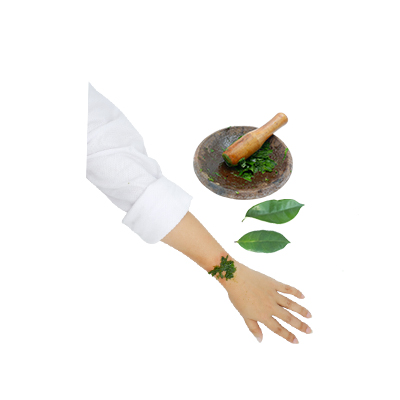
- Take an adequate amount of strofantus ungu leaves and wash until clean.
- Grind until it becomes a paste.
- Apply the leaf paste to the snake bite.
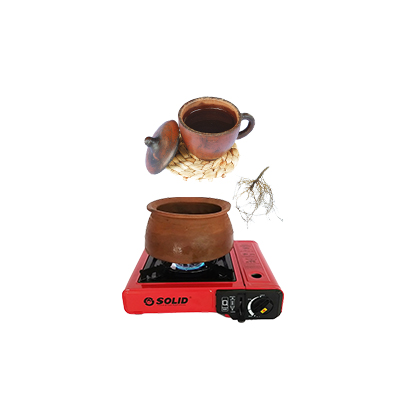
2. As an aphrodisiac
- Take an adequate amount of strofantus ungu root and wash until clean.
- Boil until it boils.
- Let it cool to warm/cold.
- Strain then drink.
Reference Sources
- Royal Botanic Gardens. Plants of the World Online: Strophanthus gratus (Wall. & Hook.) Baill. https://powo.science.kew.org/taxon/urn:lsid:ipni.org:names:81895-1. 23-04-2022.
- Tropical Plants Database, Ken Fern. 2021. Strophanthus gratus. http://tropical.theferns.info/viewtropical.php?id=Strophanthus+gratus. 23-04-2022.
- Flora Fauna Web. 2021. Strophanthus gratus. https://www.nparks.gov.sg/florafaunaweb/flora/2/4/2484. 23-04-2022.
- Plant Resources of South-East Asia. 2016. Strophanthus gratus (PROSEA). https://uses.plantnet-project.org/en/Strophanthus_gratus_(PROSEA). 23-04-2022.
- PROTA4U. Strophanthus gratus (Wall. & Hook.) Baill.. https://www.prota4u.org/database/protav8.asp?g=psk&p=Strophanthus%20gratus. 23-04-2022.
- Cowan, S., Stewart, M., Abbiw D.K., Latif Z., Sarker S.D., Nash R.J. 2001. Lignans from Strophanthus gratus. Fitoterapia 72: 80-82.