Synsepalum dulcificum (Schumach. & Thonn.) Daniell
Summary
The miracle fruit (Synsepalum dulcificum) is a perennial shrub up to 4.5 meters tall native to tropical West Africa, famous for its ability to make sour tastes seem sweet after consumption. In India its fruit is prepared as a vegetable, while in Japan its extract is used to help diabetics manage their diet. Traditionally, this fruit is also applied as a poultice to relieve stomach ache.
Agroecology
Synsepalum dulcificum is a lowland tropical plant growing at elevations of 100-1,000 m above sea level. Its habitat is humid areas, such as along riverbanks and in forests. It grows well in acidic, humus-rich soil with a pH of 4.5-5.8.
Morphology
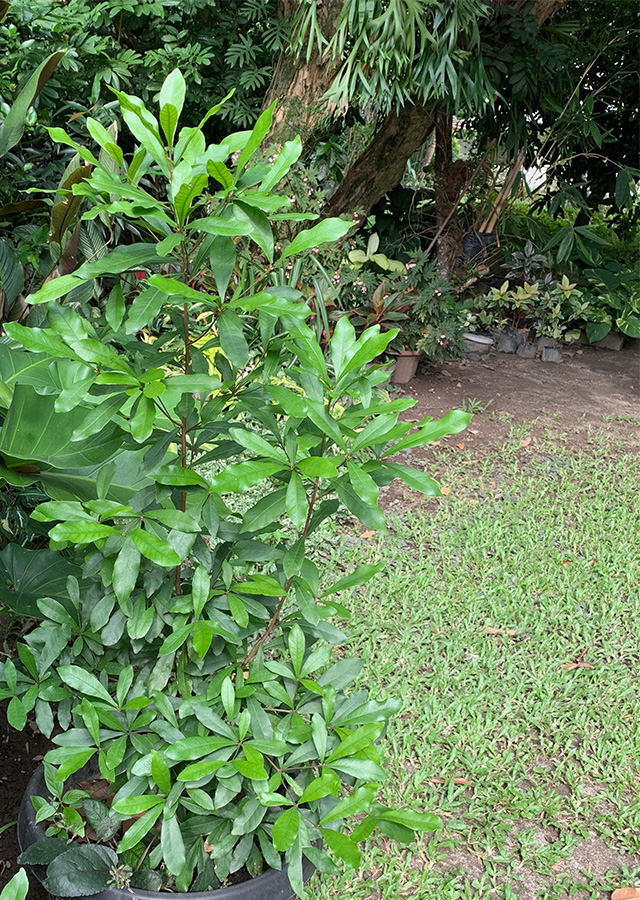
- Leaves alternately arranged, 5-10 cm long, hairy on the underside, with a very short petiole.
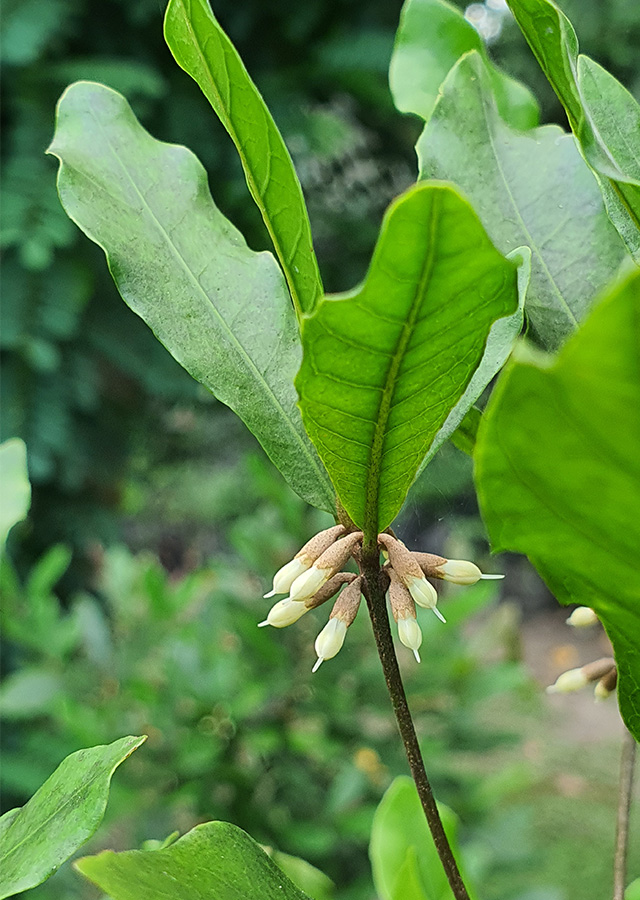
- Flowers creamy white, very small, clustered in the leaf axils.
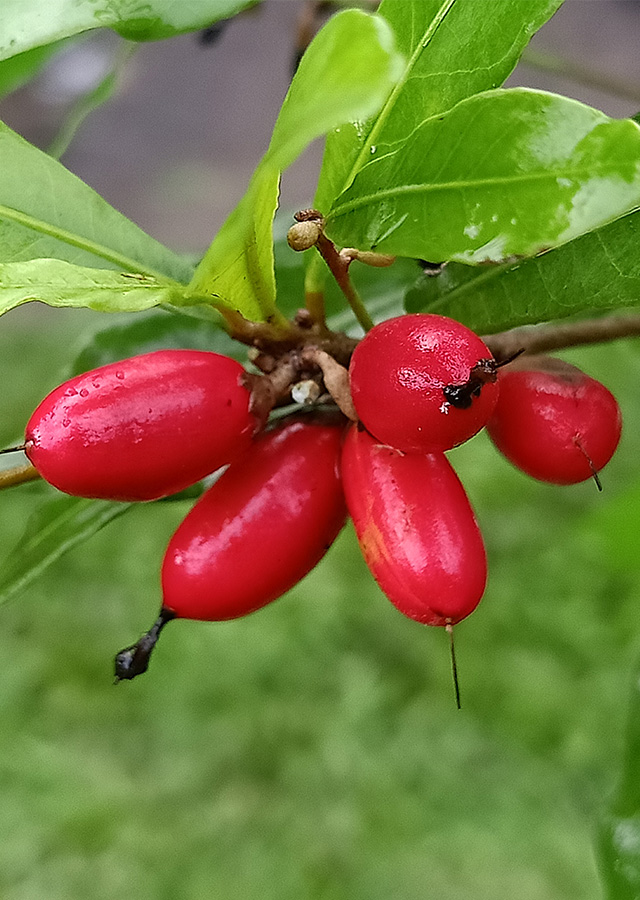
- Fruit deep red, 2 cm long, with pinkish-white pulp, containing a single hard seed with a glossy testa.
- Seeds one per fruit, about the size of a coffee bean.
Cultivation
- Propagated generatively using seeds and vegetatively by stem cuttings.
- Stem cuttings are taken from healthy stems, placed in a shaded area, and can be transplanted after 2 months.
- Fruiting begins after about three to four years.
Chemical Content
Flavonoids, cardiac glycosides, tannins, saponins, miraculin, essential amino acids (leucine, methionine) and non-essential amino acids (glutamic acid, glycine), lupeol, lupenone, lupeol acetate, anthocyanins, steroids.
Benefits
Anti-diabetic; addresses taste changes in chemotherapy patients; aids weight loss; used as an alternative cancer treatment; relieves stomach ache.
Simplisia
- Prepare miracle fruit and clean under running water.
- Air-dry for several days.
- Once dry, blend into a powder.
- Store in a sterile, airtight container.
Local Names
Miracle berry, Sweet berry.
Traditional Recipes
The following recipes reflect traditional knowledge passed down through generations, not a substitute for professional medical diagnosis or advice. Consult a healthcare provider before use.

1. Neutralizing Taste for Diabetes and Chemotherapy Patients
- Prepare 100-300 mg of miracle fruit powder.
- Place in the mouth.
- Let sit for a moment until the tongue can alter the perception of sour or sweet taste.
- Do this before eating.
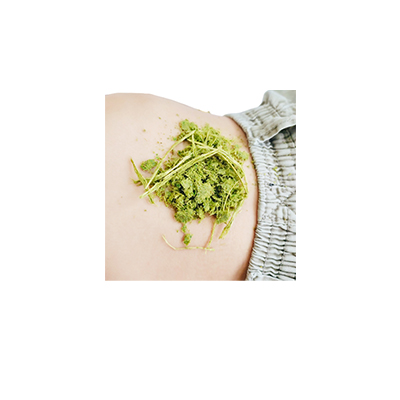
2. Abdominal Poultice
- Take a sufficient amount of the miracle fruit plant.
- Wash thoroughly and drain.
- Crush until fine and apply to the abdomen.
Reference Sources
- Han, Y.C., Wu, Ju-Yu, Wang, Cing-Kung. (2019). Modulatory effects of miracle fruit ethanolic extracts on glucose uptake through the insulin signaling pathway in C2C12 mouse myotubes cells. Food Science and Nutrition. https://doi.org/10.1002/fsn3.935 25-11-2020.
- HealthBenefitsTimes.com. (No date). Miracle fruit facts and health benefits. https://www.healthbenefitstimes.com/miracle-fruit/ 22-09-2020.
- Fern, Ken. (2014). Useful Tropical Plants: Synsepalum dulciferum. http://tropical.theferns.info/viewtropical.php?id=Synsepalum+dulciferum 25-11-2020.
- Lim, T.K. (2013). Edible Medicinal and Non-Medicinal Plants: Vol. 6, Fruits. Springer. DOI 10.1007/978-94-007-5628-1_26 (pp.146-150).
- StuartXchange. (2018). Philippines Medicinal Plants. Miracle fruit. http://www.stuartxchange.com/MiracleFruit 29-07-2020.
- Tchokponhoué, D.A., N'Danikou,S., Hale, I., Van Deynze, A., and Achigan-Dako, E.G.. (2017). Early fruiting in Synsepalum dulcificum (Schumach. & Thonn.) Daniell juveniles induced by water and inorganic nutrient management. Version 1. Journal list F1000 Research. 2017; 6: 399. PMID: 28620457. doi: 10.12688/f1000research.11091.1. https://www.ncbi.nlm.nih.gov/pmc/articles/PMC5461899/ 29-07-2020.