Syzygium aromaticum (L.) Merr. & L.M.Perry
Summary
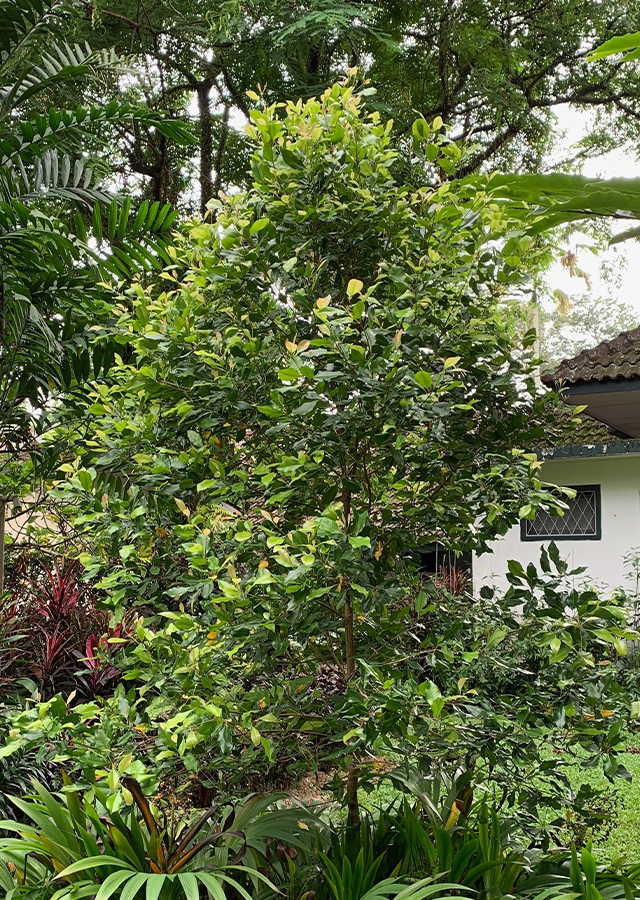
Cengkeh, or clove (Syzygium aromaticum), is a tree up to 15 meters tall of the Myrtaceae family, native to the Maluku Islands, which earned the region the nickname "Spice Islands" from European explorers. Its dried flower buds became a world-famous cooking spice and a commodity once fiercely contested by European nations. Traditionally, cloves are also believed to be antiseptic and effective for dental care and controlling blood sugar levels.
Agroecology
Grows ideally in tropical regions at elevations of 0-900 m above sea level, rainfall between 1,500-2,500 mm/year or 2,500-3,500 mm/year with dry months of less than 2 months. Andosol, latosol, red-yellow podzolic soil types, soil pH 5.5-6.5. Air temperature 22-28 °C.
Morphology
- Roots taproot and branching.
- Trunk upright, round-shaped, rough surface, 10-15 m long.
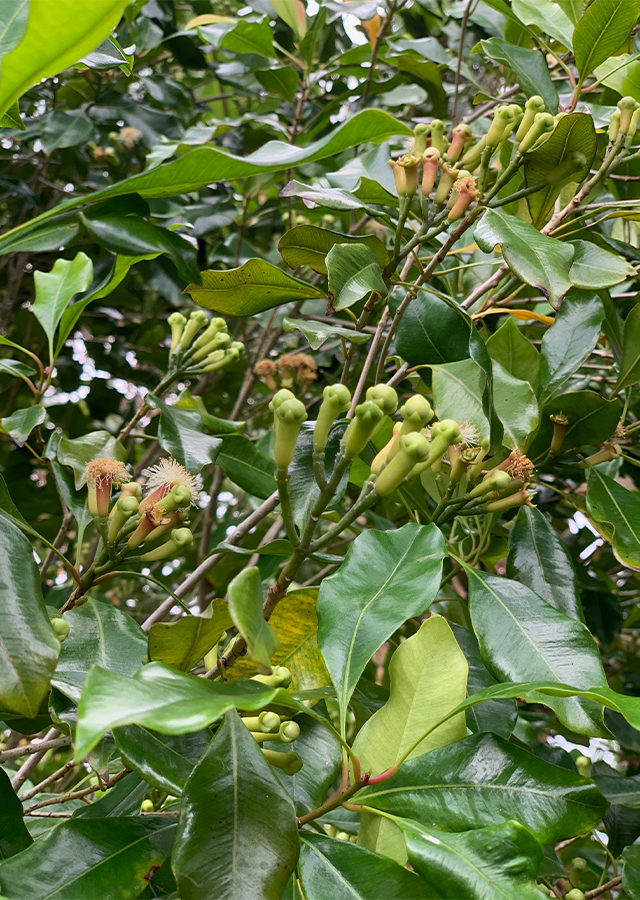
- Leaves compound, complete leaves, oblong, flowering at the tip.
- Flowers solitary, small, green when young and turning red when mature.
- Fruit a false fruit, green stalk turning red after blooming.
- Seeds have a seed coat, funiculus, and seed kernel.
Cultivation
- Vegetative propagation (cuttings, air layering, grafting) and generative propagation (by seed).
- Sowing: soak seeds (24 hours) in water, sow in cocopeat medium. After 2-3 weeks, transplant to a polybag (20x25 cm). Transplant to the main nursery after 1-2 months of age.
Chemical Content
Saponins, tannins, flavonoids (kaempferol, quercetin), polyphenols, eugenol acetate, β-caryophyllene, phenolic acid (caffeic, ferulic, ellagic, salicylic acids, gallic acid), volatile oils (eugenol, acetyl eugenol).
Benefits
Antiseptic; treats wounds; anti-inflammatory; used for dental care; antimalarial; treats stomach ulcers; controls blood sugar levels; boosts male stamina; cleanses the lungs.
Simplisia
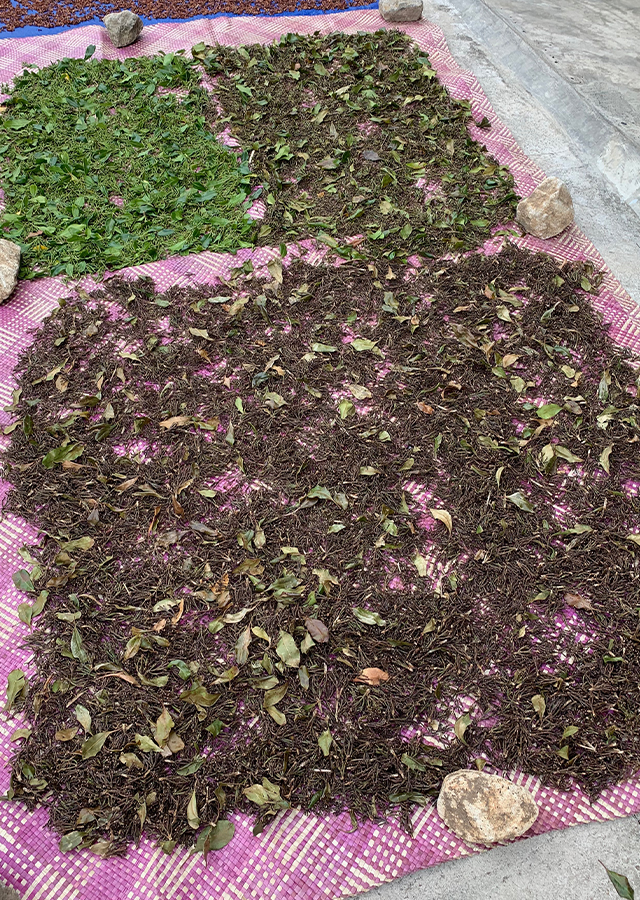
- Take clove flowers/stalks/leaves and wash under running water, remove contaminants.
- Sun-dry, covered with black plastic, for 3-4 days. For flower stalks, dry for 5-7 days. Turn regularly for even drying.
- Once dry, ready to pack.
Local Names
Wunga lawang (Bali), Cangkih (Lampung), Cengke (Bugis), Canke (Ujung Pandang), Gomode (Tidore).
Traditional Recipes
The following recipes reflect traditional knowledge passed down through generations, not a substitute for professional medical diagnosis or advice. Consult a healthcare provider before use.
1. Boosting Male Stamina
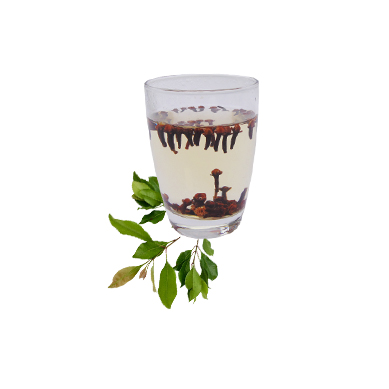
- Prepare 3-5 g dried clove material.
- Steep the dried material in 1 cup of warm water.
- Drink 3 times a day.
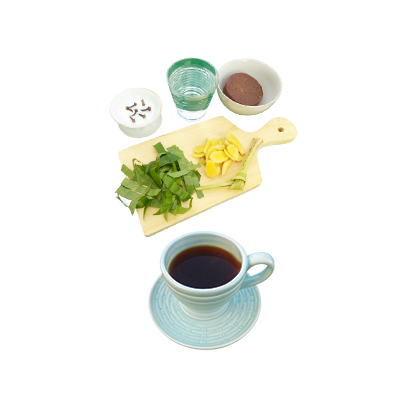
2. Cleansing the Lungs
- Prepare ingredients: 100 g palm sugar, 1 lemongrass stalk, 40 g ginger, 5 fresh betel leaves, and 7 cloves.
- Slice the betel leaf and ginger, then crush the lemongrass. Boil all ingredients in 500 ml water until boiling and reduced to 250 ml, let cool.
- Drink twice a day, morning and evening.
Reference Sources
- Kaur K, Kaushal S. 2019. Phytochemistry and pharmacological aspects of Syzygium aromaticum: A review. Journal of Pharmacognosy and Phytochemistry 8(1): 398-406.
- Kurniawan A, Wiranti SR, Retno W. 2009. Perbandingan kadar eugenol minyak atsiri daun cengkeh (Syzygium aromaticum (L) Merr & Perry) yang tumbuh di dataran tinggi dan dataran rendah. Pharmacy 06(03): 1693-3591.
- Mittal M, Gupta N, Prashar P, Mehra V, Khatri M. 2014. Phytochemical evaluation and pharmacological activity of Syzygium aromaticum: a comprehensive review. Int. J. Pharm. Pharm. Sci. 6(8):67-72.
- Ruhnayat A, Agus W. Petunjuk Teknis Pembenihan Tanaman Cengkeh (Syzygium aromaticum). Balai Penelitian Tanaman Rempah dan Obat.