Tabernaemontana divaricata (L.) R.Br. ex Roem. & Schult.
Summary
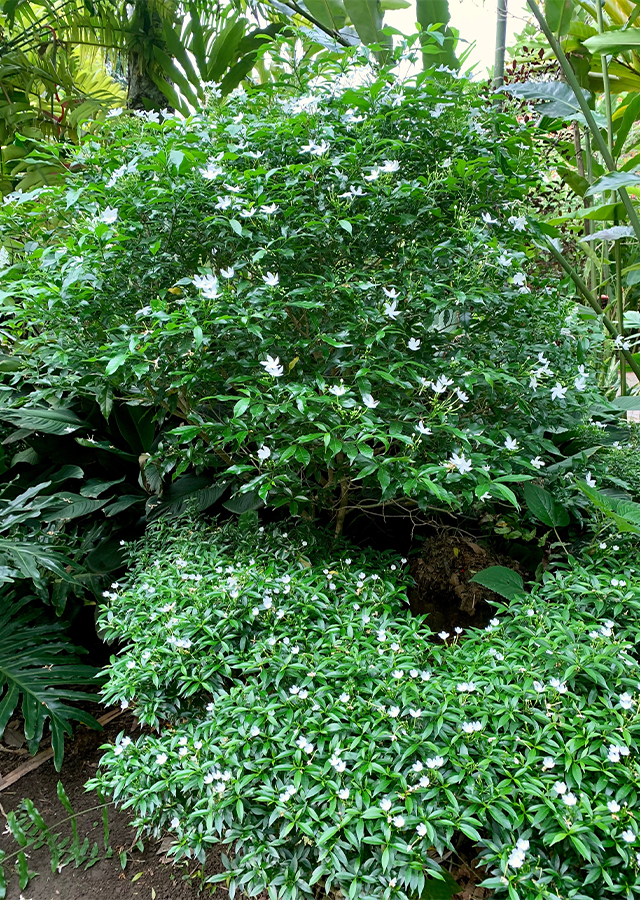
Mondokaki (Tabernaemontana divaricata) is a shrub 0.5-5 meters tall of the Apocynaceae family, widely distributed in tropical and subtropical Asia, including India, Myanmar, and China. Its white flowers resembling jasmine make it a popular ornamental plant and yard hedge. Traditionally, mondokaki is also believed to relieve hypertension, toothache, and venomous animal bites.
Agroecology
Grows in forests, hills and shrubland in lowlands to mid elevations up to 1,400 m above sea level. Prefers moist, well-drained soil, can grow in shaded conditions to full sunlight.
Morphology
- Roots taproot, outer surface thinly corky and yellow in color.
- Stem woody with milky white sap, pale grayish-brown, cylindrical shaped.
- Leaves single, elliptical shaped with a length of 3-18 cm and leaf width 1-6 cm.
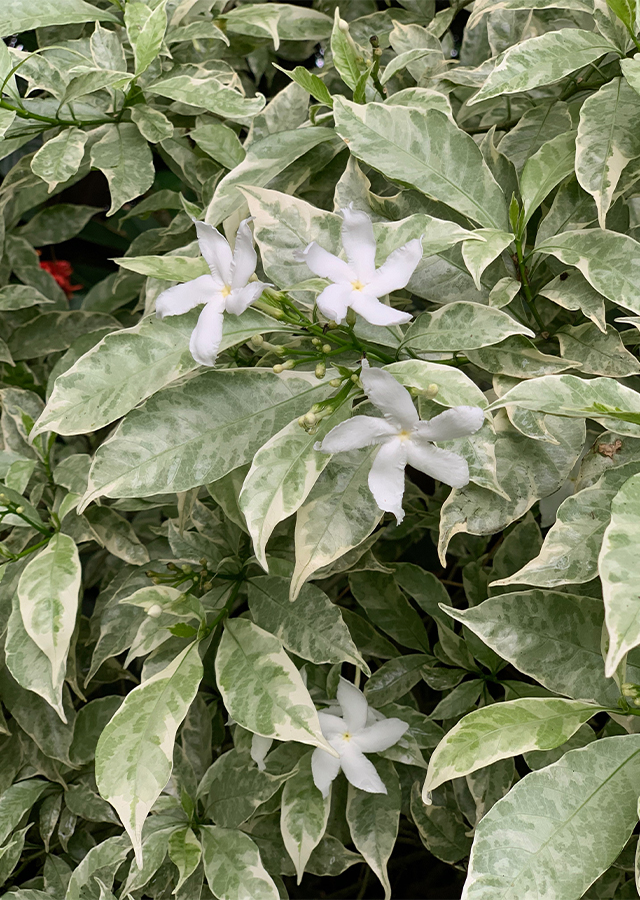
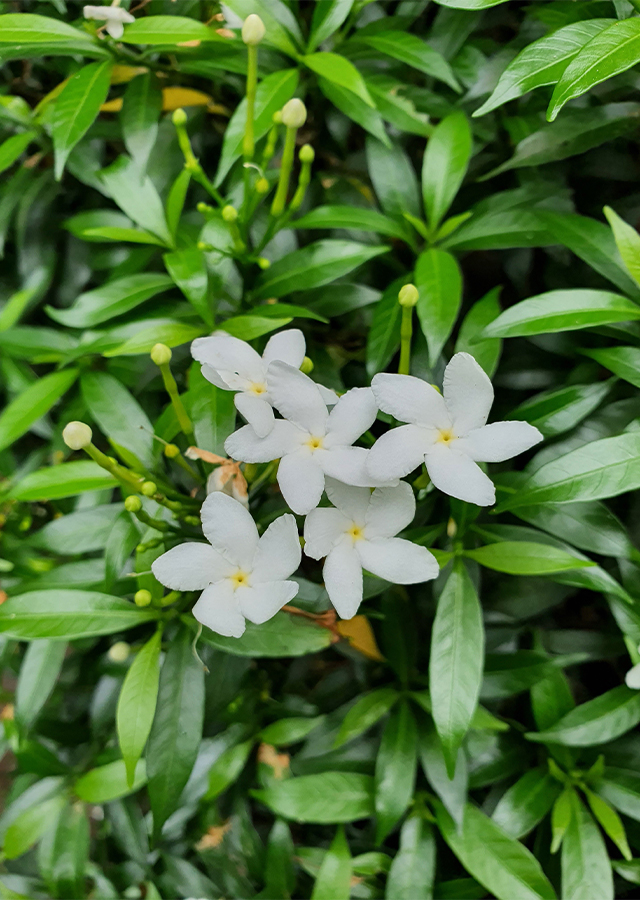
- Flowers white, stalk branching into 2 opposite branches, 5 petals white with an irregular/wavy edge.
- Fruit capsule shaped.
- Seeds fleshy, membraned, red in color.
Cultivation
- Propagated vegetatively through cuttings and air-layering.
- Stems are taken from branches and planted in a polybag.
Chemical Content
Saponins, flavonoids, glycosides, steroids, phenol, amino acids, tannins, resin, triterpenoids, alkaloids (3α-hydroxymethyl-ibogamine, 3α-acetatemethoxyl-ibogamine, 16α-hydroxyl-ibogamine).
Benefits
Treats hypertension, headache and toothache, scabies, boils, diarrhea, eye pain, cough, influenza, prevents inflammation in wounds, treats venomous snake and scorpion bites, antimicrobial, antioxidant, antinociceptive, antitumor, analgesic.
Simplisia
Not yet available
Local Names
Bunga wari (Java), Bunga nyingin (Bali), Kembang mentega, Kembang susu (Sunda), Bunga manila, Bunga susong (Maluku).
Traditional Recipes
The following recipes reflect traditional knowledge passed down through generations, not a substitute for professional medical diagnosis or advice. Consult a healthcare provider before use.
1. Diarrhea
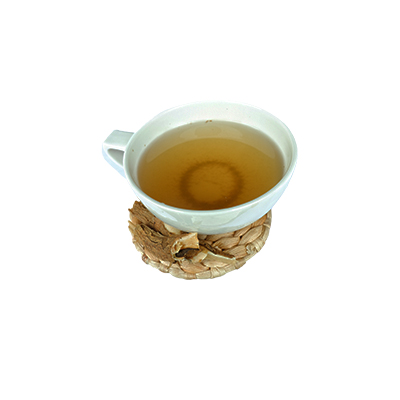
- Wash 10-15 g root then slice thinly. Boil the root with 3 glasses of clean water until it boils and the water is reduced to 1 glass. Once cool, strain.
- Drink in small sips.
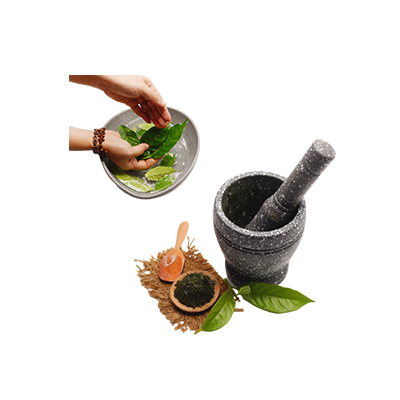
2. Breast Inflammation
- Prepare 20 mondokaki leaves, 2 tbsp salt water. Wash the leaves thoroughly then pound until fine and mix with salt water.
- Use and bind on the affected breast.
- Do this twice a day.