Tamarindus indica L.
Summary
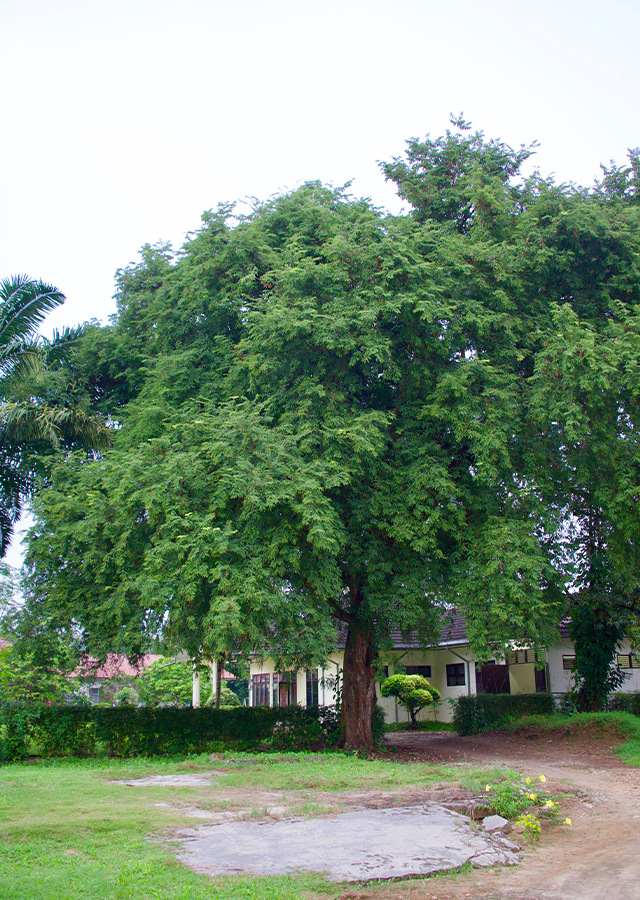
Asam jawa or tamarind (Tamarindus indica) is a tree up to 30 meters tall of the Fabaceae family, estimated to originate from the savannas of East Africa, particularly Sudan, before traveling to tropical Asia thousands of years ago. Its sour fruit flesh is the most iconic seasoning and jamu ingredient in the archipelago. Tamarind is also traditionally believed to relieve canker sores, joint inflammation, and boost appetite.
Agroecology
A tropical plant, always green (does not experience leaf-shedding periods). Grows well up to elevations of around 1,000-1,500 m above sea level, on sandy or clay soil, especially in regions with a fairly long dry season.
Morphology
- Roots taproot.
- Stem diameter up to 2 m, at the base, bark grayish-brown, rough and cracking, with vertical grooves. Its canopy is shady and densely leaved, wide and rounded.
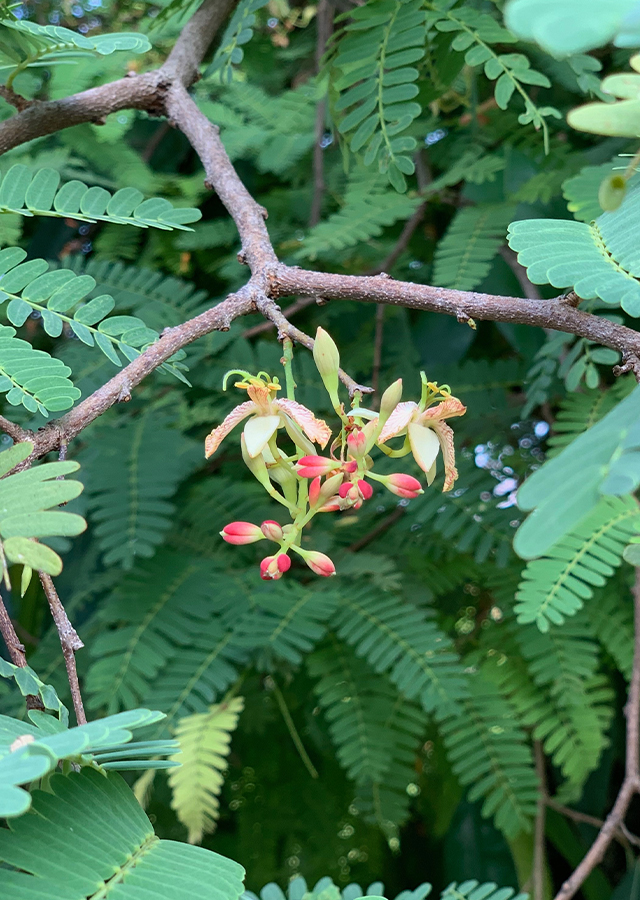
- Leaves compound evenly pinnate, 5-13 cm long, smooth edges, green in color. Leaves fall before flowers emerge.
- Flowers yellowish in color, arranged in loose clusters and growing at leaf axils or twig tips.
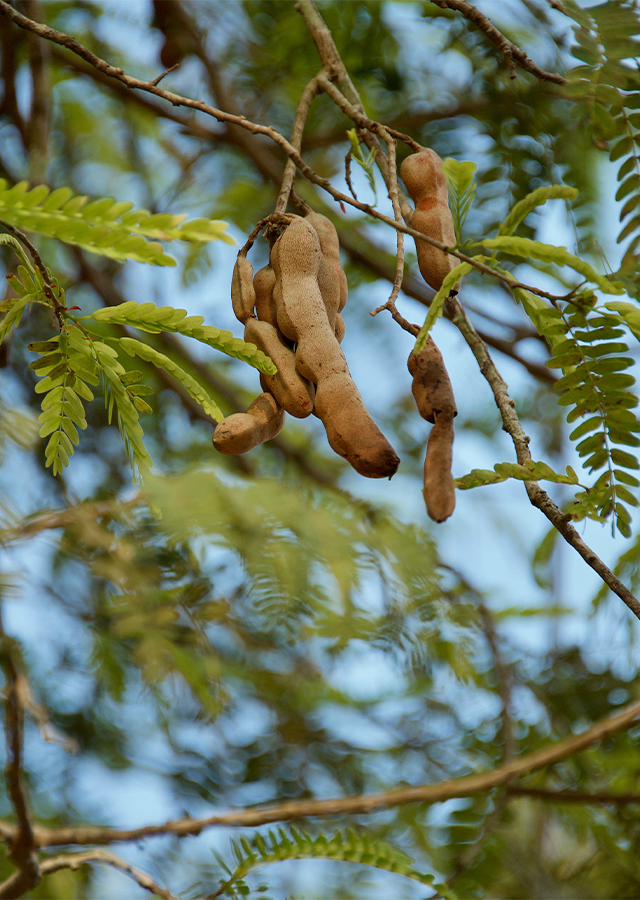
- Fruit a swollen pod shape, nearly cylindrical, hard fruit skin (exocarp) brownish in color, fruit flesh (mesocarp) whitish-green (young) and reddish-brown (mature).
- Seeds blackish-brown, glossy and hard, somewhat square shaped.
Cultivation
Propagated by seed and stem cuttings. Propagation results are planted with a spacing of 8-10 m at the start of the rainy season.
Chemical Content
Tannins, saponins, steroids, flavonoids, alkaloids, β-sitosterol, cycloartanol, limonene, malic acid, longifolene, crytopinone, tartaric acid.
Benefits
Canker sore remedy, reduces inflammation and joint pain, cough remedy, fever, diarrhea, asthma, wounds and boils, boosts appetite, smooths skin.
Simplisia
- Remove the tamarind fruit seeds then wash thoroughly with running water and drain.
- Weigh 1 kg and dry using parchment paper as a base in a drying cabinet at 40 °C until dry.
- Weigh again and grind with a blender until it becomes a coarse powder (simplisia) and place in a closed container.
Local Names
Tangkal Asem (Sunda), Asang jawi (Sulawesi), Camba (Makassar), Cumalagi (Minangkabau), Mangga (Bima).
Traditional Recipes
The following recipes reflect traditional knowledge passed down through generations, not a substitute for professional medical diagnosis or advice. Consult a healthcare provider before use.
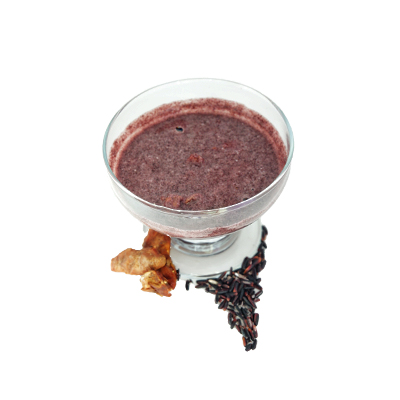
1. Smoothing Skin
- Take 20 g tamarind fruit, 100 g black glutinous rice, water as needed
- Blend the black glutinous rice, add the tamarind and water as needed, mix evenly until it has a thick texture for a body scrub
- Use as a body scrub while bathing, apply evenly over the whole body, let the scrub dry slightly, then rub the scrub
- Once done, rinse with water then continue bathing as usual, for healthy and bright skin, the scrub can be used once a week.