Abelmoschus manihot (L.) Medik.
Summary
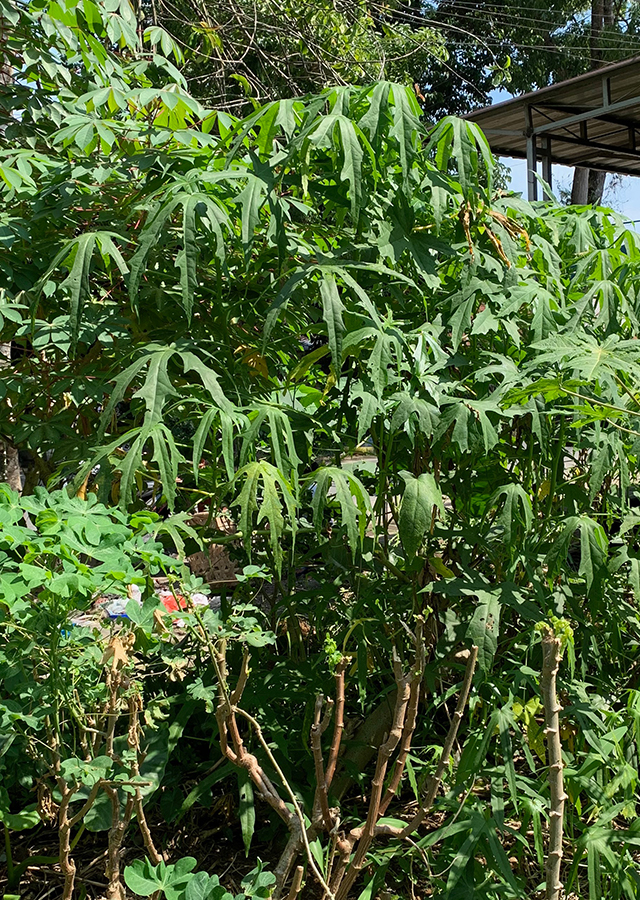
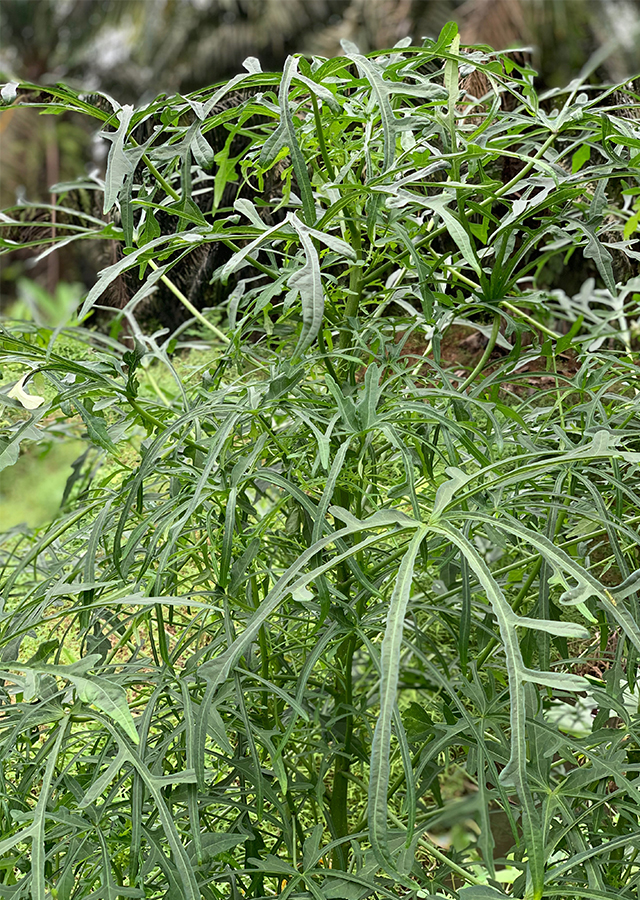
Gedi (Abelmoschus manihot) is an erect shrub up to 3 meters tall of the Malvaceae family, distributed from East and South Asia to Northern Australia. In North and Central Sulawesi, its leaves are an essential ingredient of Manado porridge and various other traditional dishes. For generations, gedi has also been believed to support eye health, relieve stomach ulcers, and help control blood pressure.
Agroecology
Grows in tropical climate regions, in lowlands and highlands at elevations up to 500 m above sea level, with an annual temperature above 25 °C and average rainfall of 1,000 mm/year. Tolerant of loose soil, all soil pH levels, and requires full sunlight.
Morphology
- Roots fibrous, brownish.
- Stem erect, green when young and greenish-brown when mature, rough texture, with nodes bearing 1 branching that can branch again.
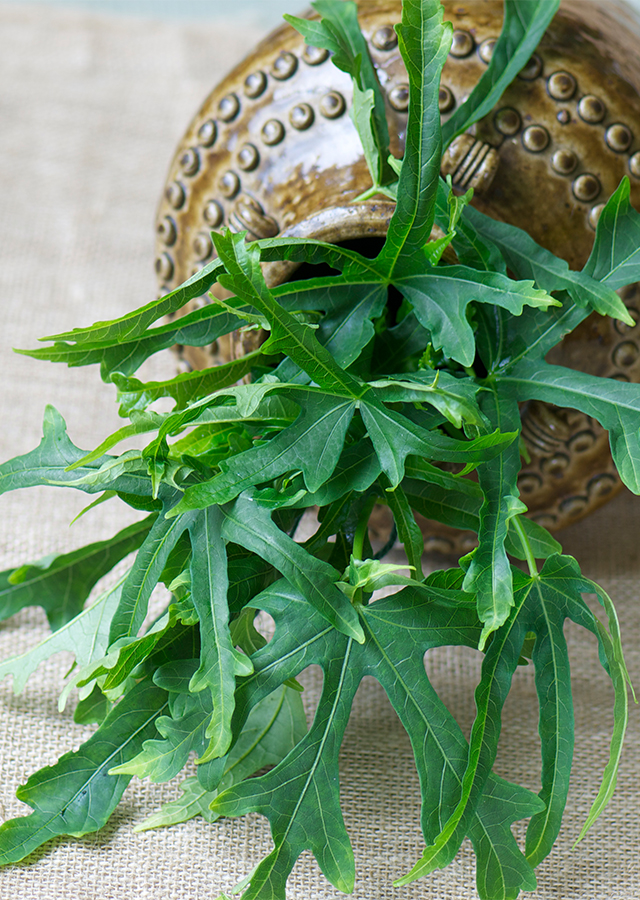
- Leaves simple, green, with 5 lobes, palmate venation with pointed tips, heart-shaped base, finely hairy surface.
- Flowers 4-8 cm in diameter, 5 white to yellow petals, often with a red or purple blotch at the petal base.
- Fruit a capsule, with many seeds.
Cultivation
- Propagated using seed and stem cuttings.
- Stem cuttings are done by cutting a young plant's stem and planting it in a soil medium.
Chemical Content
Thiamine, folic acid, collagen substances, riboflavin, flavonoids, polyphenols, saponins, steroids, aldehydes, lupeol, hyperin, stigmasterol, adenosine, myricetin.
Benefits
Supports eye health; treats stomach ulcers, fever, headache, hemorrhoids, rheumatism; antiviral, antihypertensive, cholesterol-lowering, antidiabetic; boosts the immune system; smooths skin; reduces kidney damage; antioxidant; helps prevent cardiovascular disease; treats wounds and sprains, and osteoporosis.
Local Names
Gidi, Kembang dapros, Sayur yondok.
Traditional Recipes
The following recipes reflect traditional knowledge passed down through generations, not a substitute for professional medical diagnosis or advice. Consult a healthcare provider before use.
1. Wounds
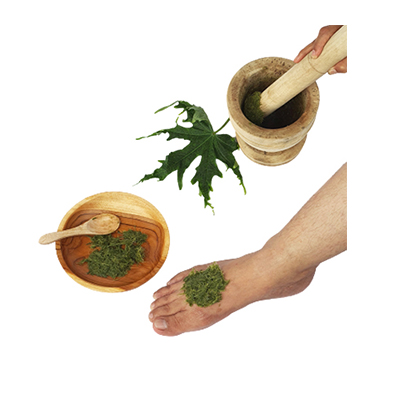
- Prepare a sufficient amount of fresh gedi bark.
- Pound until fine, adding water little by little until it becomes a paste.
- Apply to the open wound.
- Do this 3 times a week for 2-3 weeks.
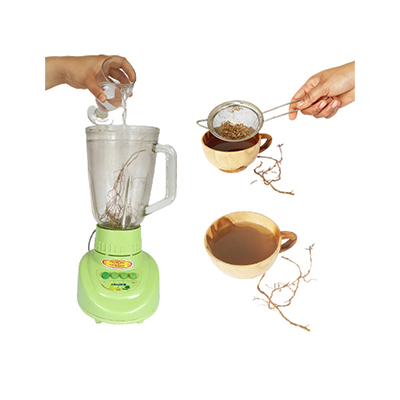
2. Sprain Remedy
- Prepare 2-3 gedi roots. Wash thoroughly.
- Blend, adding 1 cup of water.
- Strain the mixture and drink once a day.
Reference Sources
- Dinkes.gunungkidul. Mengenal tanaman obat daun gedi. https://dinkes.gunungkidulkab.go.id>. 03-03-2020