Acacia mangium Willd.
Summary
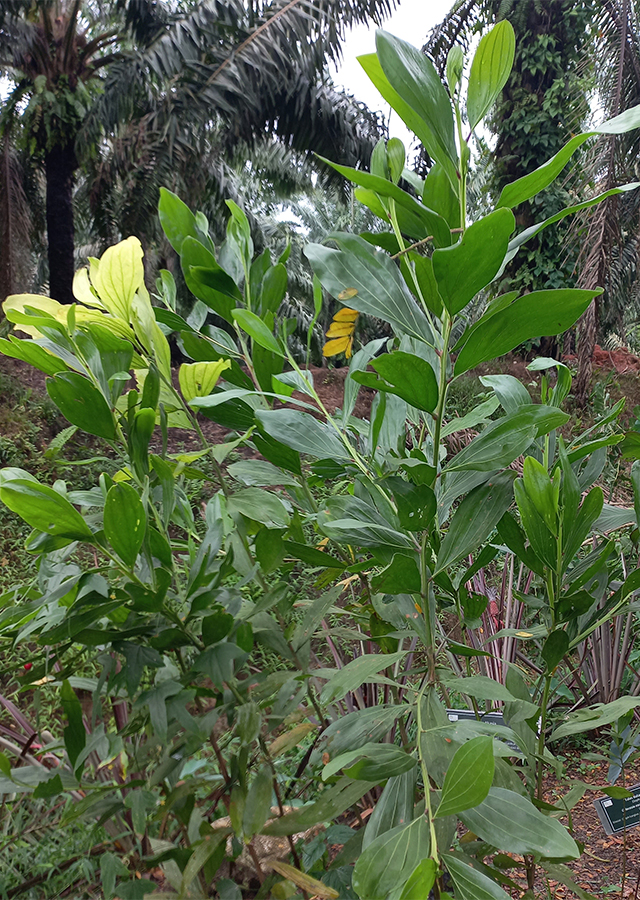
Acacia (Acacia mangium) is a tree up to 25-35 meters tall of the Fabaceae family, native to Australia, Indonesia, and Papua New Guinea, introduced to Sabah, Malaysia, in 1960. Its wood is widely used to make household furniture, besides being popular as a roadside shade tree. Acacia is traditionally believed to treat diarrhea, dysentery, and help lower hypertension.
Agroecology
A plant of warm humid tropical regions, found at elevations up to 800 m above sea level, in areas where average annual rainfall is in the range of 1,500-3,000 mm. Succeeds in various soil types, usually found in acidic soil with moderate to low fertility, prefers well-drained soil, pH in the range of 4.5-6.5, requires a sunny position (full sunlight).
Morphology
- Root acacia's root is a taproot and sturdy.
- Stem young acacia has smooth, greenish bark. After reaching 2-3 years of age, cracks will appear on the tree bark. On mature trees, the bark will have a rough, hard texture, cracked near the base and its color changes to brown or dark brown.
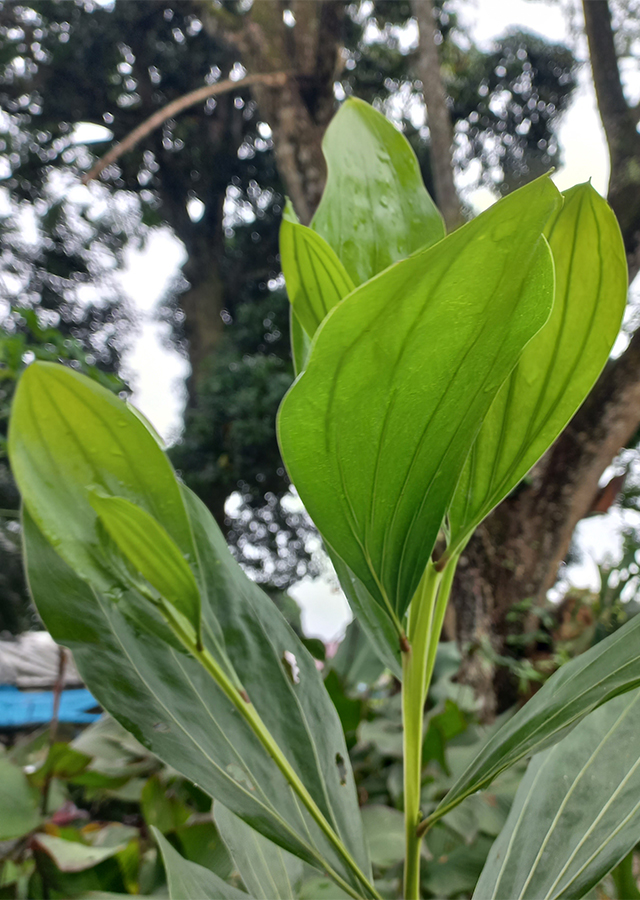
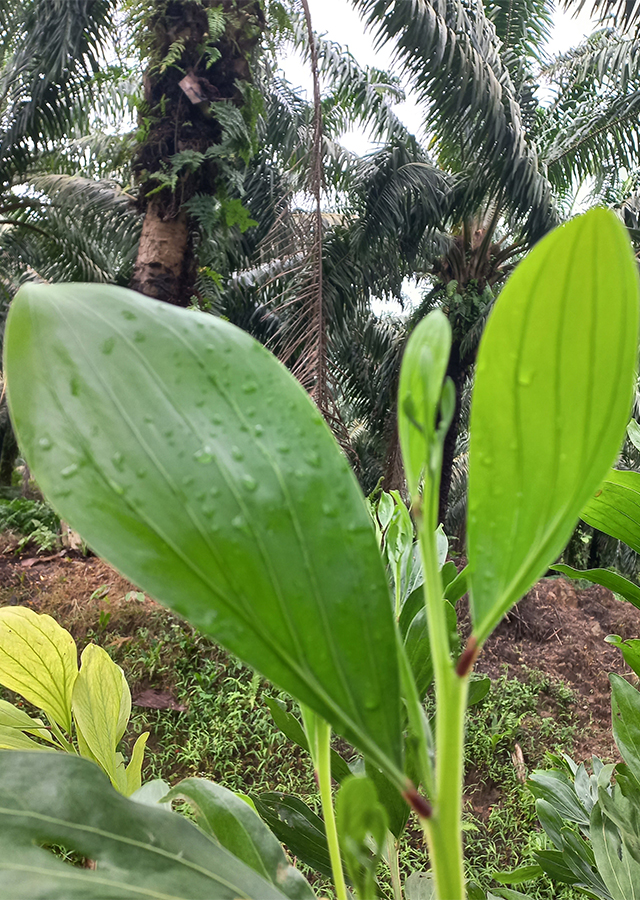
- Leaves on newly germinated acacia seedlings are compound leaves consisting of many leaflets. However after a few weeks, compound leaves will not form and the leaf petiole and main axis of each compound leaf will grow widening and turn into phyllodes. The phyllode has parallel leaf vein shapes and reaches a length of 25 cm and width of 10 cm.
- Flowers acacia flowers are composed of many small white or cream flowers like nails. When blooming, the flower shape resembles a bottle brush.
- Fruit a broad pod, linear, and irregularly coiled when ripe, membranous or slightly woody, inconspicuously veined, 3-5 mm wide and 7-10 cm long.
- Seeds acacia seeds are glossy black with varying shapes, such as longitudinal, elliptical, oval, to oblong with a size of 3-5 x 2-3 mm. Acacia seeds attach to the pod with a reddish-orange stalk.
Cultivation
- Propagated generatively with seeds first given treatment by soaking in boiled water left to cool for 24 hours, or by soaking in sulfuric acid for 10-30 minutes followed by soaking in cold water for 24 hours.
- Propagated vegetatively with single-node stem cuttings 4-5 cm long and 0.5-1.5 cm in diameter, leaving 0.5-1 phyllodes, and budding.
Chemical Content
Alkaloid, flavonoid, phenolic, steroid, tannin, terpenoid, methoxyl, uronic acid, 4-0-methylglucuronic acid, glucuronic acid, galactose, arabinose, and rhamnose.
Benefits
Treats diarrhea and dysentery, helps in cases of internal bleeding, treats wounds and other skin problems, hemorrhoids, sweaty feet, several eye problems, as a mouthwash, treats premature ejaculation, and lowers hypertension.
Local Names
Mangga hutan, Tongke hutan (Seram), Nak (Maluku), Laj (Aru), Jerri (Irian Jaya).
Traditional Recipes
The following recipes reflect traditional knowledge passed down through generations, not a substitute for professional medical diagnosis or advice. Consult a healthcare provider before use.
1. Addressing premature ejaculation
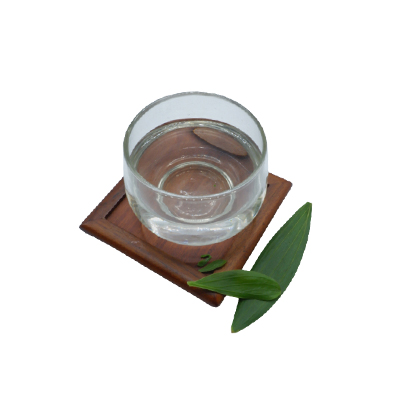
- Wash fresh acacia leaves as needed thoroughly.
- Boil the leaves until boiling.
- Strain the decoction.
- Drink while warm.
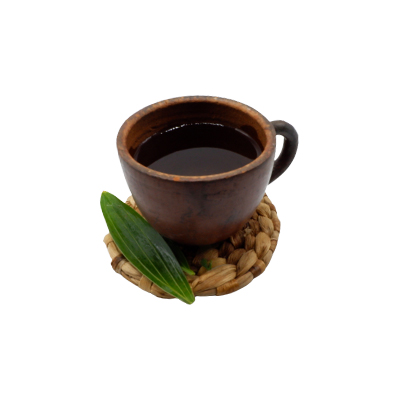
2. Lowering hypertension
- Prepare acacia leaves as needed.
- Wash thoroughly.
- Boil with enough water until boiling.
- Strain and drink while warm.
Reference Sources
- Useful Tropical Plants Database. 2021. Acacia mangium. https://tropical.theferns.info/viewtropical.php?id=Acacia+mangium. 01-09-2021.
- Royal Botanic Gardens. 2021. Plants of the World Online: Acacia mangium Willd. http://www.plantsoftheworldonline.org/taxon/urn:lsid:ipni.org:names:470839-1. 01-09-2021.
- Flora Fauna Web. 2020. Acacia mangium Willd. https://www.nparks.gov.sg/FloraFaunaWeb/Flora/2/6/2695. 01-09-2021.
- Stuartxchange. 2019. Philippine Medicinal Plants: Abuhin. http://www.stuartxchange.org/Abuhin. 01-09-2021.
- Rimba kita.com. 2019. Pohon akasia. https://rimbakita.com/pohon-akasia/file:/C:/Users/HP01/Downloads/29850-75676592255-1-PB.pdf. 01-09-2021.