Adansonia digitata L.
Summary
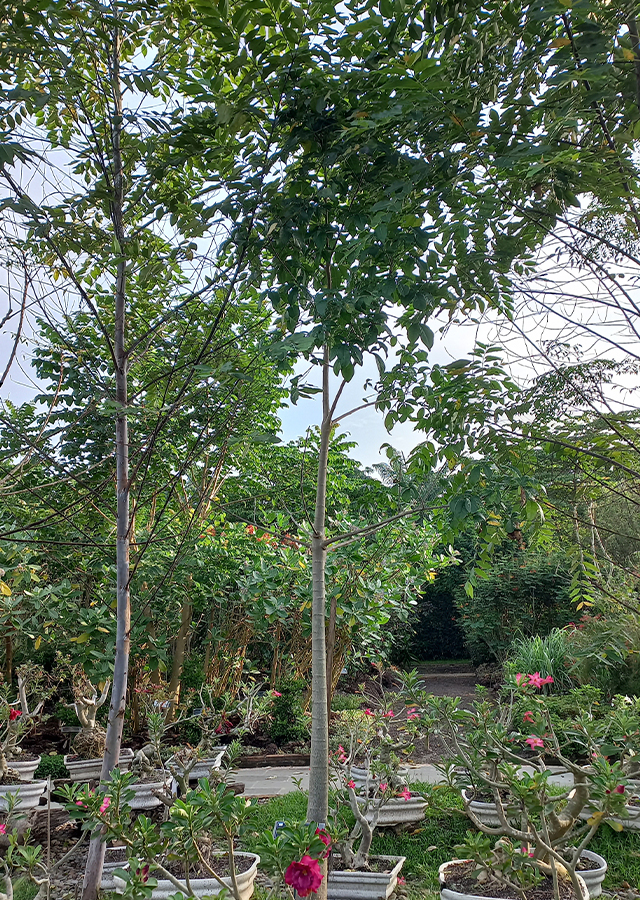
Baobab (Adansonia digitata) is a tree up to 20-30 meters tall of the Malvaceae family, one of the oldest and largest trees in the world able to live more than a thousand years, native to Africa and the Arabian Peninsula. Its water-storing trunk has been a lifeline for West African communities for centuries, even serving as a traditional burial site for troubadours. Baobab is traditionally believed to treat dysentery, respiratory disorders, and stimulate breast milk production.
Agroecology
Baobab can grow well in tropical lowlands up to elevations of 1,500 m above sea level. Prefers areas with an average annual temperature of 20-30°C, average annual rainfall of 250-1,000 mm. A position in full sunlight and soil with a degree of acidity (pH) lower than 6.5 are suitable for baobab tree growth.
Morphology
- Root has lateral roots extending up to 50 m, root tips often tuberous. Main root relatively shallow.
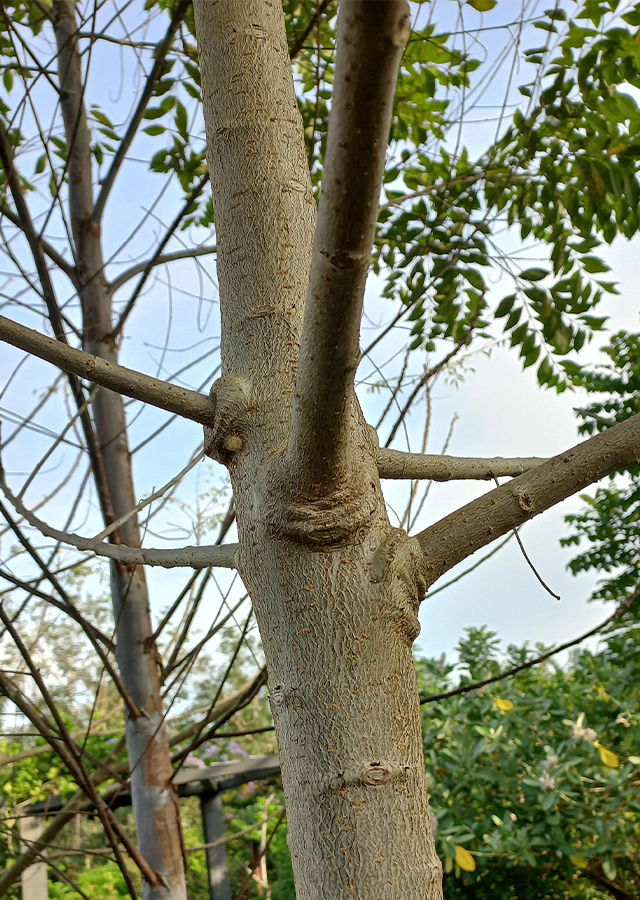
- Stem thick (large diameter), has a smooth surface bark, reddish-brown to gray in color, soft and has elongated fiber, branched.
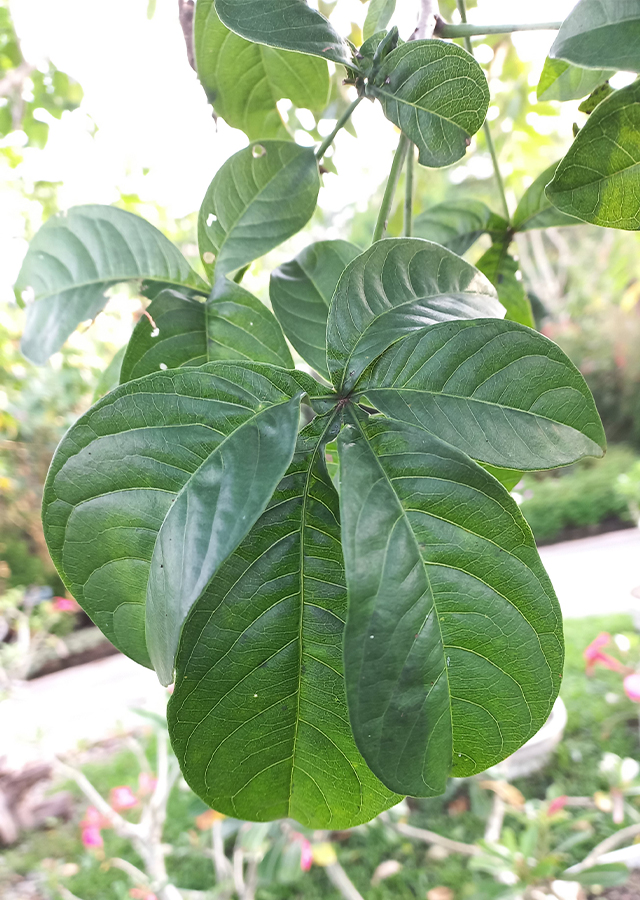
- Leaves divided into 5-7 leaflets, green in color, alternate position at the branch tip. Leaf blade elliptical to ovate-elliptical, tapering top and decurrent base.
- Flowers single, located in leaf axils near the branch tip, white in color, large size (up to 20 cm in diameter), dangling or hanging on a stalk, sulfur-smelling. Each flower has five sepals with many stamens.
- Fruit single, ovate-oblong shaped up to 35 cm long and 13 cm wide. Fruit flesh white like flour and sour tasting. Fruit skin thick. Young fruit green and turning brown with age.
- Seeds kidney-shaped and coated with a hard skin, small in size, dark brown to reddish-black in color with a smooth testa.
Cultivation
- Propagated generatively (seed).
- Once seedlings are 3-4 months old and reach a height of 40-50 cm, the plant can be transplanted.
Chemical Content
Procyanidin, flavonol glycosides, phenolate, hydroxycinnamic acid glycosides, iridoid glycoside, phenylethanoid glycoside, ascorbic acid, linoleic acid, oleic acid, palmitic acid, stearic acid, uronic acid.
Benefits
Treats kidney and bladder disease, stomach, joints, toothache and gum disease, colds, fever, body aches, fatigue, diarrhea, dysentery, insect bites, addresses respiratory problems (asthma), eye inflammation, cleanses wounds, addresses impotence, stimulates breast milk production in nursing mothers. Has expectorant (phlegm-thinning) activity.
Local Names
Ki tambleg (Sunda), Pohon kaki gajah, Asem buto.
Traditional Recipes
The following recipes reflect traditional knowledge passed down through generations, not a substitute for professional medical diagnosis or advice. Consult a healthcare provider before use.
1. Impotence
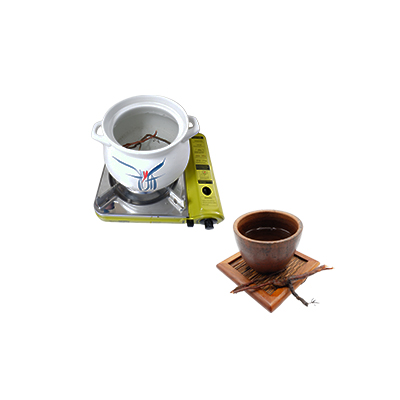
- Prepare baobab plant root then wash thoroughly.
- Boil the root until boiling.
- Strain the decoction.
- Drink while warm.

2. Body aches
- Prepare baobab plant bark then wash thoroughly.
- Boil the bark until boiling.
- Strain the decoction.
- Drink while warm.
Reference Sources
- Plants of the World Online. 2021. Adansonia digitata L. http://powo.science.kew.org/taxon/urn:lsid:ipni.org:names:558628-1. 02-09-2021.
- Tropical Plants Database. 2021. Adansonia digitata L. http://tropical.theferns.info/viewtropical.php?id=Adansonia+digitata. 02-09-2021.
- PROTA. 2018. Adansonia digitata (PROTA). https://uses.plantnet-project.org/en/Adansonia_digitata_(PROTA). 02-09-2021.
- Summarecon Bandung. 2019. Pohon Baobab. https://summareconbandung.com/facilities/detail/pohon-baobab. 02-09-2021.
- Braca A et al. 2018. Phytochemical Profile, Antioxidant and Antidiabetic Activities of Adansonia digitata L. (Baobab) from Mali, as a Source of Health-Promoting Compounds. Molecules, 23, 3104; doi:10.3390/molecules23123104
- Rahul J et al. 2015. Adansonia digitata L. (baobab): a review of traditional information and taxonomic description. Asia Pacific Journal of Tropical Biomedicine 5(1):79-84.