Ajuga reptans L.
Summary
Bugle (Ajuga reptans) is a stolon-forming herb 30-60 cm tall from the Lamiaceae family that originates from Europe, now invasive in parts of North America. The digitalis-like substance content is believed to give a cardiac tonic effect. Bugle is traditionally used to stop bleeding and treat coughing up blood.
Agroecology
Bugle prefers full sun to requiring partial shade, and grows well in clay, loam, sand soil types, with acidic soil pH (<6.0), and good soil drainage or sometimes wet.
Morphology
- Roots fibrous, yellowish-brown.
- Stem solid, round-shaped, green.
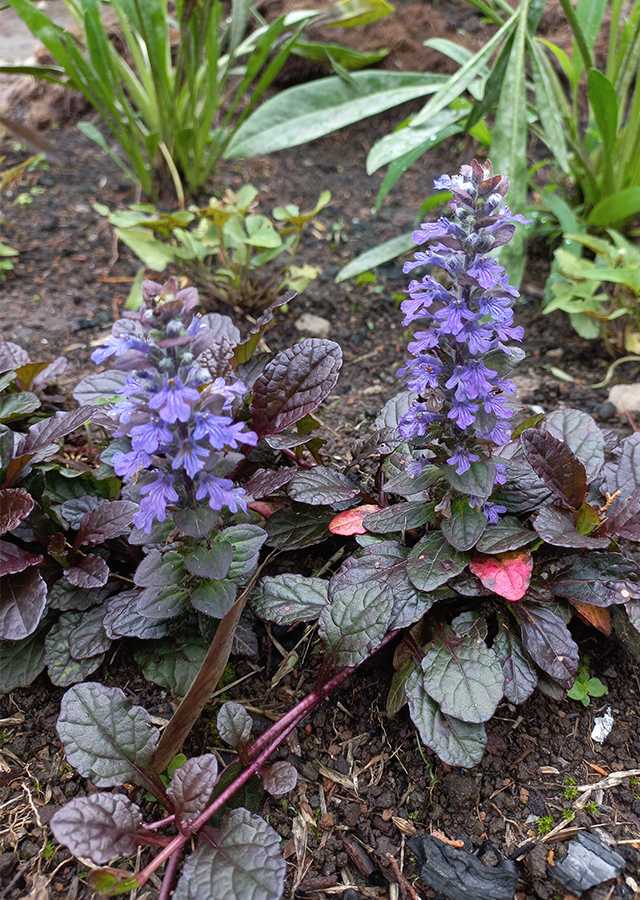
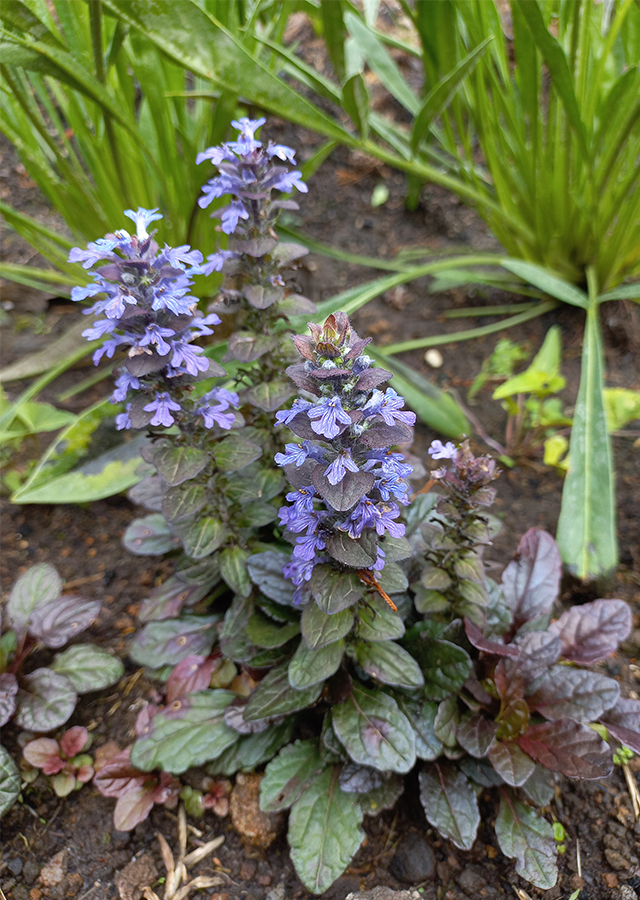
- Leaves single, basal rosette, oblong, tapering tip, pointed base, 5-15 cm long, 2-5 cm wide, curved venation, hairy, wavy margin, purplish-green.
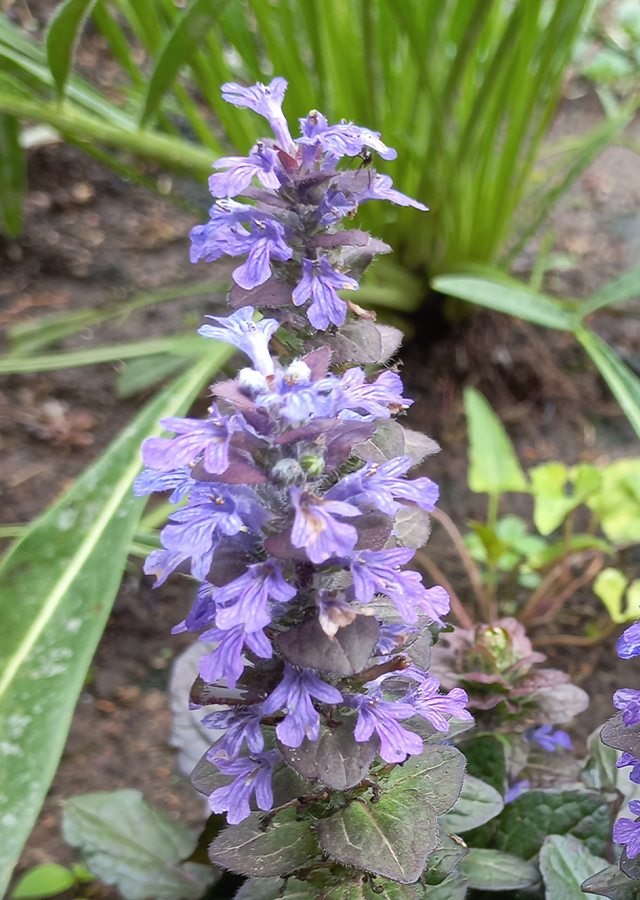
- Flowers compound, spike-shaped, at the stem tip, spike length 5-15 cm, tubular corolla, 1-2 cm long, purple.
- Fruit a box, each box containing 2-4 seeds, green.
- Seeds round, small, brown when young and turning black when old.
Cultivation
Propagation is done generatively (seeds) and vegetatively (separation of offshoots). Seeds usually germinate within 3-4 weeks at a temperature of 10 °C, although it can be erratic. Plant seedlings once large enough. Propagation by offshoot separation is very easy, divisions can be planted directly into their permanent location.
Chemical Content
Ajugareptansone, ajugalactone, harpagide, aucubin, sterols, ecdysteroids, alkaloid, saponin, flavonoid, polyphenol, tannin, iridoid.
Benefits
Ajuga reptans leaves are effective as a remedy for cough and boils, as an analgesic, cardiac, used during recovery, a laxative, treatment of hemoptysis, internal bleeding, addressing liver and spleen problems, mouthwash for pharyngeal irritation and mouth wounds, helps lower blood pressure (hypertension), treats wounds and bruises.
Local Names
Ototan, Ajuga, Terompet ungu.
Traditional Recipes
The following recipes reflect traditional knowledge passed down through generations, not a substitute for professional medical diagnosis or advice. Consult a healthcare provider before use.
1. Wounds and bruises
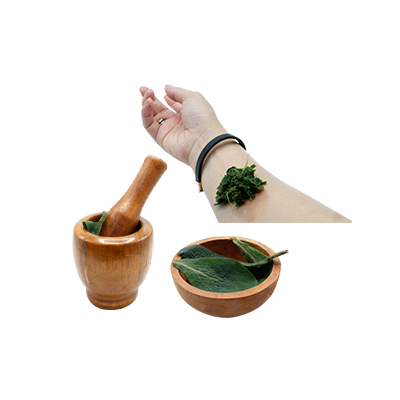
- Take fresh bugle leaves as needed.
- Wash clean with running water.
- Mash into a paste.
- Apply the paste to the wounded and bruised area.
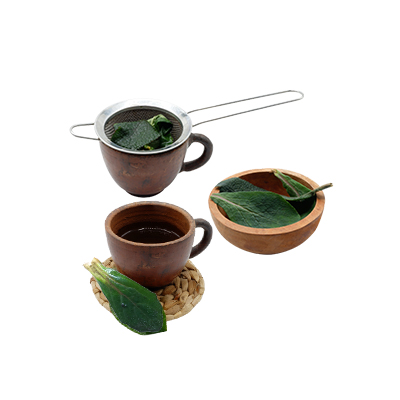
2. Cough
- Prepare fresh bugle leaves as needed.
- Boil the leaves with 2 glasses of clean water until reduced to 1 glass.
- Let the decoction cool then strain.
- Drink twice a day, 1/2 glass each in the morning and evening.
Reference Sources
- Royal Botanic Gardens. 2017. Plant of the World Online: Ajuga reptans L. http://www.plantsoftheworldonline.org/taxon/urn:lsid:ipni.org:names:444664-1. 11-10-2021.
- Abuanjeli. 2010. OTOTAN (Ajuga reptans Bugle). https://abuanjeli.wordpress.com/2010/07/31/a024/.11-10-2021.
- Medicinal Herbs of Epirus. Ajuga reptans. University of Ioannina. http://mediplantepirus.med.uoi.gr/pharmacology_en/plant_details.php?id=281. 11-10-2021.
- Medicinal herbs. Bugle Ajuga reptans. http://www.naturalmedicinalherbs.net/herbs/a/ajuga-reptans=bugle.php. 11-10-2021.
- North Caroline Cooperative Extention. Ajuga reptans. https://plants.ces.ncsu.edu/plants/ajuga-reptans/. 11-10-2021.