Allamanda cathartica L.
Summary
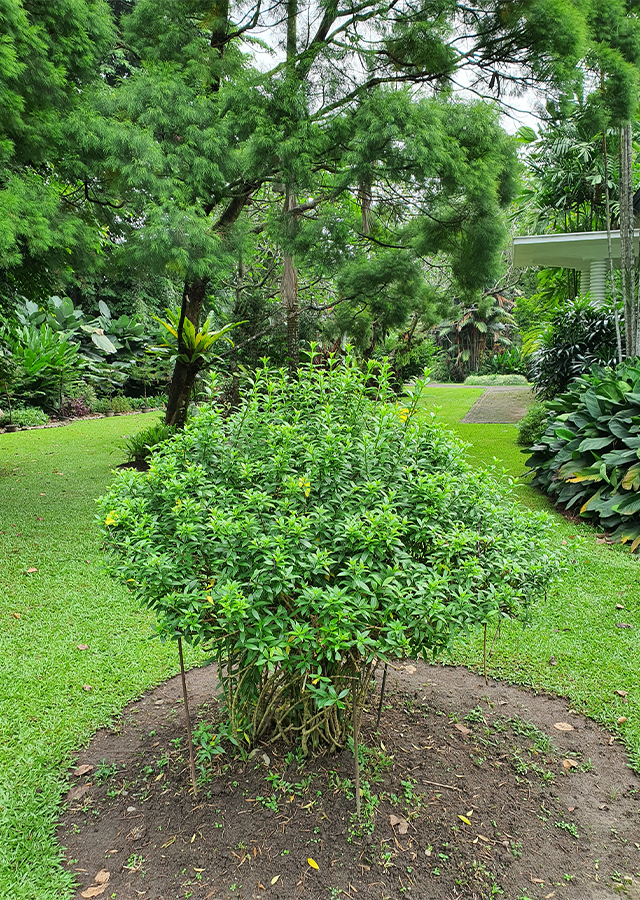
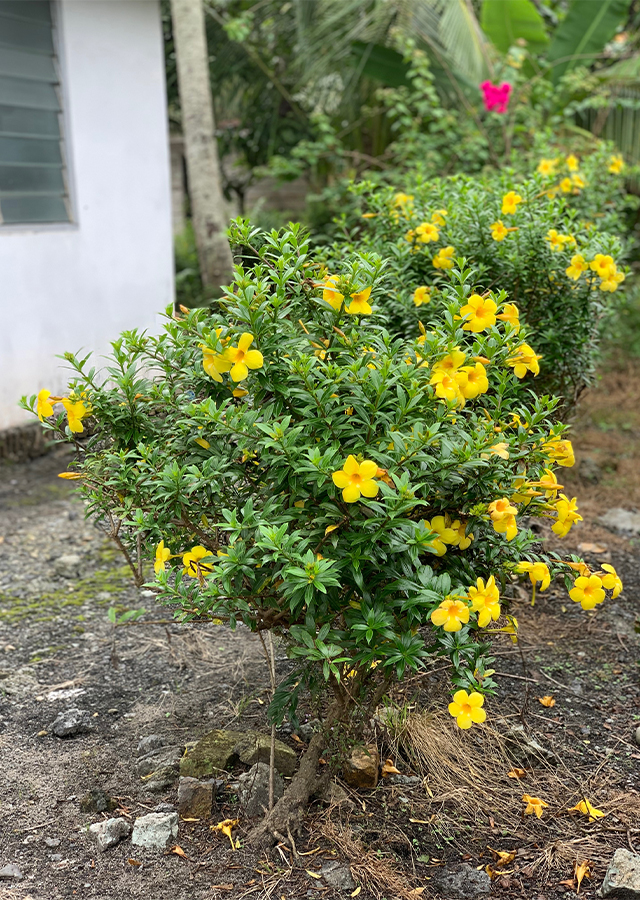
Alamanda (Allamanda cathartica) is a shrub 4-6 meters tall of the Apocynaceae family, originating from Central and South America and especially widespread in Brazil. Its bright yellow flowers can bloom year-round, making it a popular yard ornamental plant. Traditionally, alamanda is also believed to have antibacterial properties and help address fever and skin diseases.
Agroecology
Alamanda is commonly found in areas around rivers or open places exposed to plenty of sunlight. Lives in areas at elevations of 0-700 m above sea level, rainfall 1,000-2,800 mm/year. This plant is not tolerant of alkaline soil, low temperatures, and shade. Sandy soil conditions, high organic matter, and good aeration are preferred by this plant.
Morphology
- Roots taproot.
- Stem woody, cylindrical, drooping, green, smooth surface, monopodial.
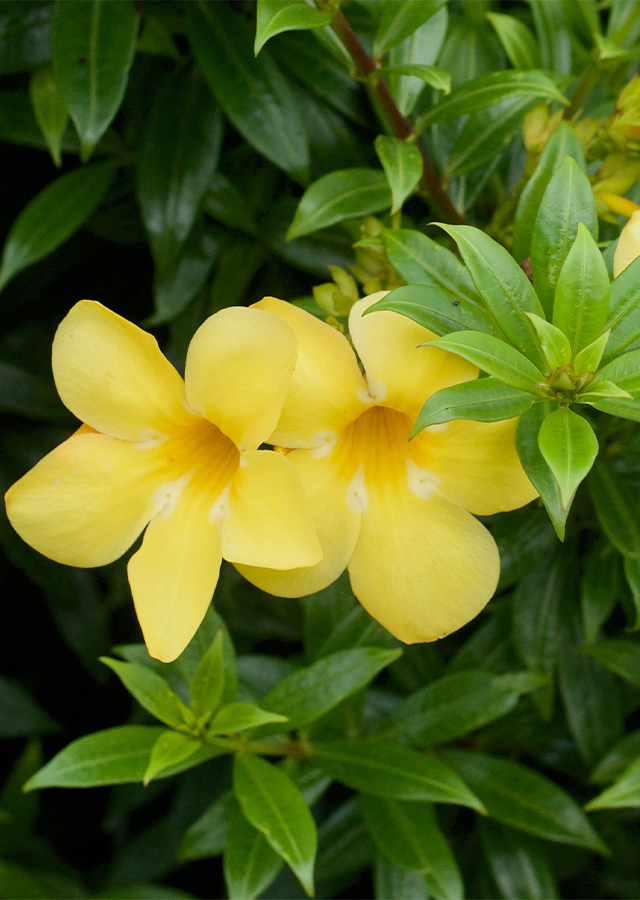
- Leaves single, opposite, green, elliptical, 5-15 x 2-5 cm in size, thick.
- Flowers compound, yellow, in clusters emerging at leaf axils, fused at the stem tip (gamopetalous).
- Fruit a capsule, round, ± 1.5 cm long.
Cultivation
- Propagated generatively (by seed) and vegetatively (stem cuttings).
- Choose seeds and stems from healthy plants.
- Plant the stem (cutting) in an upright position.
Chemical Content
Hexadecanoic acid, polyphenols, octadecadienoic acid, essential oils, alkaloids, tannins, saponins, terpenes, steroids, flavonoids.
Benefits
Antibacterial, treats skin diseases, fever, jaundice, addresses constipation, cough, headache, ulcers, antidote, malaria, spleen swelling, boils, and ringworm.
Simplisia
- Select good, quality leaves.
- Wash thoroughly and drain then weigh.
- Spread evenly on a tray and dry in the sun.
- After drying, weigh and package (vacuum sealer).
Local Names
Lame areuy (Sunda), Bunga akar kuning, Akar cempaka kuning (Sumatra).
Traditional Recipes
The following recipes reflect traditional knowledge passed down through generations, not a substitute for professional medical diagnosis or advice. Consult a healthcare provider before use.
1. Ulcers
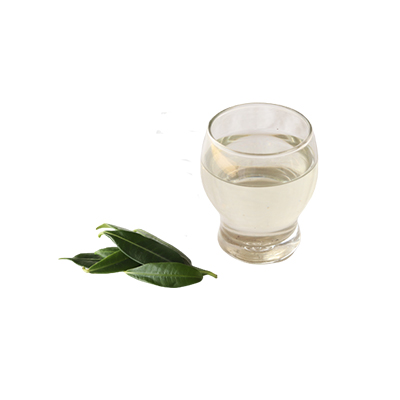
- Boil 13 alamanda leaves with 2 glasses of water until it boils.
- Drink 3 times a day.
- Boil fresh each time before drinking the concoction.
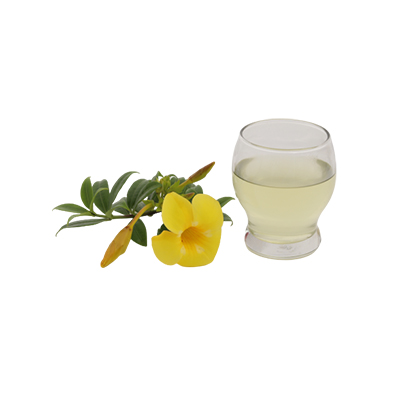
2. Antidote
- Wash thoroughly then boil 15 g fresh alamanda leaves with 1 glass of water for 15 minutes over low heat.
- Cool the concoction then strain. Divide into two portions.
- Drink twice, one hour apart, as an antidote.
Reference Sources
- Elisabeth CJ, Soegihardjo B, Sidharta BR. 2014. Aktivitas ekstrak ethanol daun (Allamanda cathartica L.) sebagai anti jamur terhadap Candida albicans dan Pityrosporum ovale secara in vitro. Fakultas Teknologi Atma Jaya Yogyakarta.
- Prabhadevi V, Sahaya SS, Johnson M, Venkatramani B, Janakiraman N. 2012. Phytochemical studies on Allamanda cathartica L. using GC-MS. Asian Pacific J. Trop. Biomed. P. : 550-554.
- Petricevich VL, Vargas RA. 2019. Allamanda cathartica: A Review of the Phytochemistry, Pharmacology, Toxicology, and Biotechnology. Molecules 24: 1238-1250.