Allium cepa L.
Summary
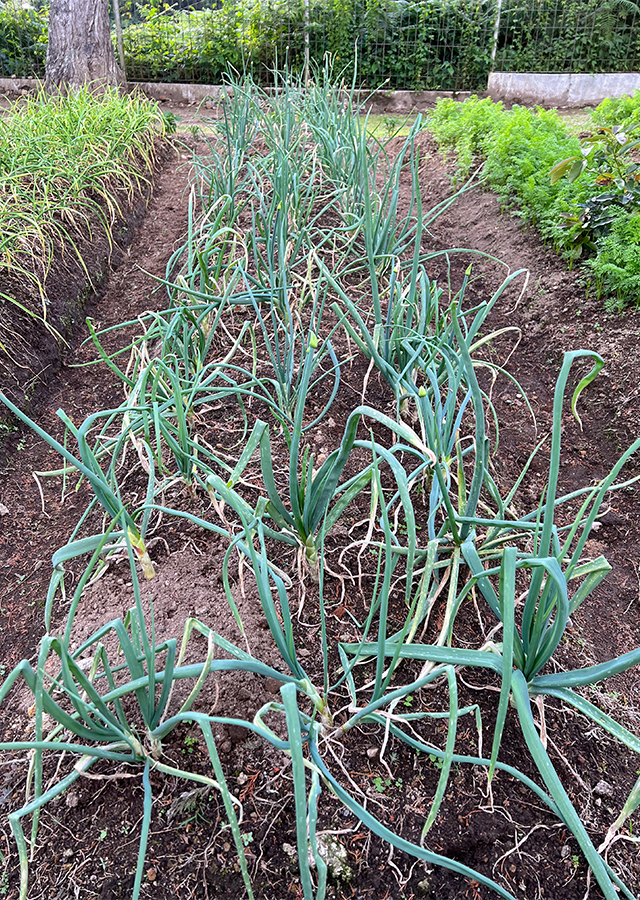
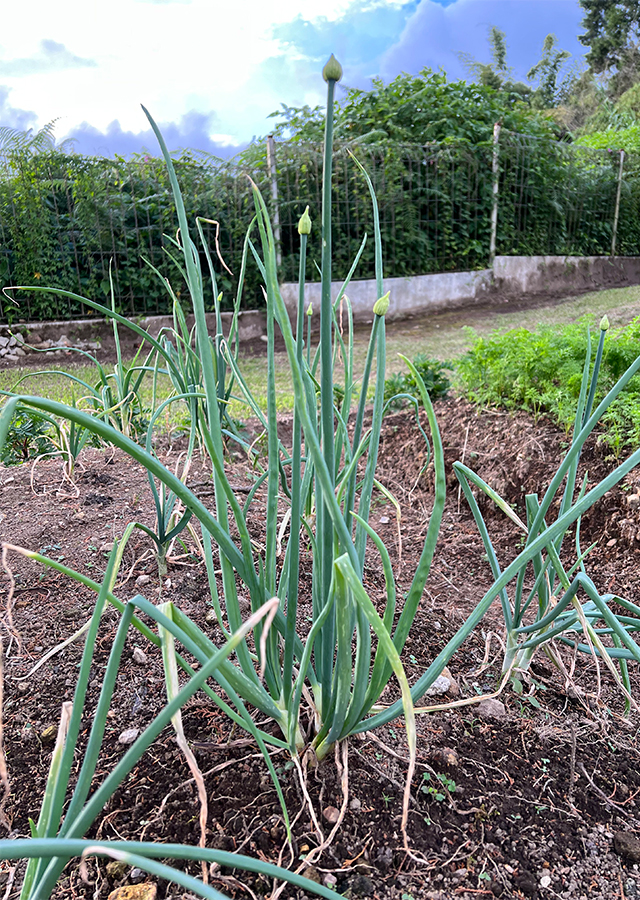
Onion (Allium cepa) is an annual or biennial herb up to 1 meter tall of the Amaryllidaceae family, thought to originate from Turkmenistan, brought by traders from the city of Bombay, India, during the Dutch colonial period. Its bulb is rich in strong antioxidants that fight free radicals, besides being a universal cooking spice. Onion is traditionally believed to lower cholesterol and stimulate hair growth.
Agroecology
Onion grows well in mountainous regions with a temperature of around 18-20°C with an ideal elevation of 800 m above sea level. Prefers places with sunlight exposure up to 14 hours a day and loose soil with a degree of acidity or soil pH of around 5.5-6.5 and good drainage.
Morphology
- Root fibrous and white.
- Bulb a single-layered bulb, larger in size than shallot, about 6 cm or more in diameter.
- Stem a pseudostem and watery, whitish-green in color.
- Leaves cylindrical shaped, elongated like a pipe and hollow, narrowing upward (tapering tip), dark green in color.
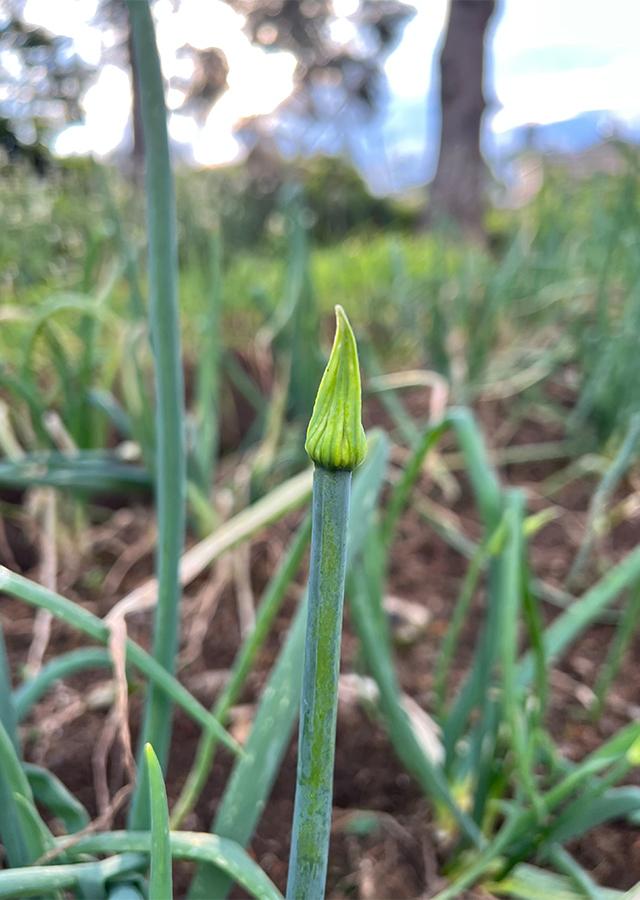
- Flowers star-shaped, numerous in a dense round umbel. Perianth segments oblong-shaped, pointed. Filament longer than the sepal.
Cultivation
- Propagated generatively (seed) beginning with sowing.
- Propagated vegetatively (bulb offsets) by burying part of the bulb in the soil. A day before planting, cut the tip of the bulb and dry it first.
- In its early growth, onion requires large amounts of water.
- The ideal planting distance is 25-40 cm between rows and 10-40 cm between bulbs in a row. Harvest time, after the plant is about 4-5 months old after planting.
Chemical Content
Saponin, phenol, triterpenoid, petrin, flavonoid (quercetin, quercetrin), allyl disulphide, allyl, ethanolic extract (tianshic acid, N-trans-feruloyl tyramine, beta-sitosterol-3 beta-glucopyranoside-6'-palmitate, sitosterol, daucosterol, tryptophane, and adenine riboside), essential oil.
Benefits
Lowers blood cholesterol and blood sugar levels, addresses fever, nasal mucous membrane inflammation, chronic bronchitis, boils, bruises, wounds, dysentery, headache, epilepsy, relieves earache, seizure disorders, relieves cough in phthisis (lung disease), sore throat, rheumatic swelling and inflammation, stimulates hair growth, reduces gray hair, has diuretic and aphrodisiac properties, has antibacterial and antioxidant activity.
Local Names
No information found. Further research needed.
Traditional Recipes
The following recipes reflect traditional knowledge passed down through generations, not a substitute for professional medical diagnosis or advice. Consult a healthcare provider before use.
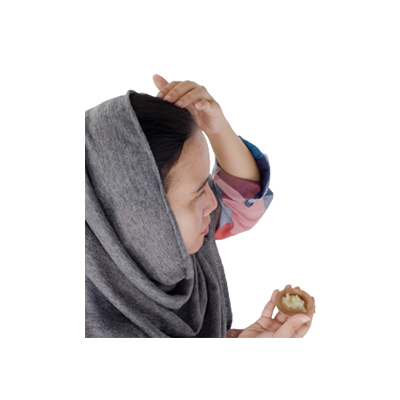
1. Stimulating hair growth
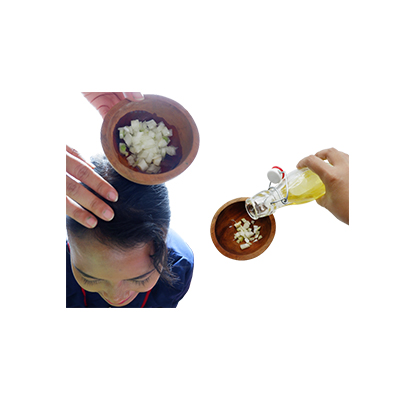
- Cut 100 g fresh onion into small pieces.
- Mix with coconut oil.
- Apply the mixture to the scalp for 5 minutes.
- Then rinse with clean water.
2. Reducing gray hair
- Mix 3 tsp onion juice with 2 tsp lemon juice.
- Apply evenly to hair and scalp.
- Then rinse with clean water.
Reference Sources
- Plants of the World Online. 2021. Allium cepa L. http://www.plantsoftheworldonline.org/taxon/urn:lsid:ipni.org:names:527795-1. 31-08-2021.
- Tropical Plants Database. 2021. Allium cepa. http://temperate.theferns.info/plant/Allium+cepa. 31-08-2021.
- StuartXchange. 2018. Philippine Medicinal Plants: Sibuyas. http://www.stuartxchange.com/Sibuyas.html. 31-08-2021.
- Cyberextension. 2019. Budidaya Bawang Bombay. http://cybex.pertanian.go.id/mobile/artikel/84991/BUDIDAYA-BAWANG-BOMBAY/#. 31-08-2021.
- Ladeska V, Rindita, Amyra N, Veranthy TD. 2020. Analisa Fisikokimia dan Aktivitas Antioksidan Umbi Bawang Bombay (Allium cepa L.). Jurnal Jamu Indonesia. 5(2):56-67. DOI: https://doi.org/10.29244/jji.v5i2.170