Allium chinense G. Don
Summary
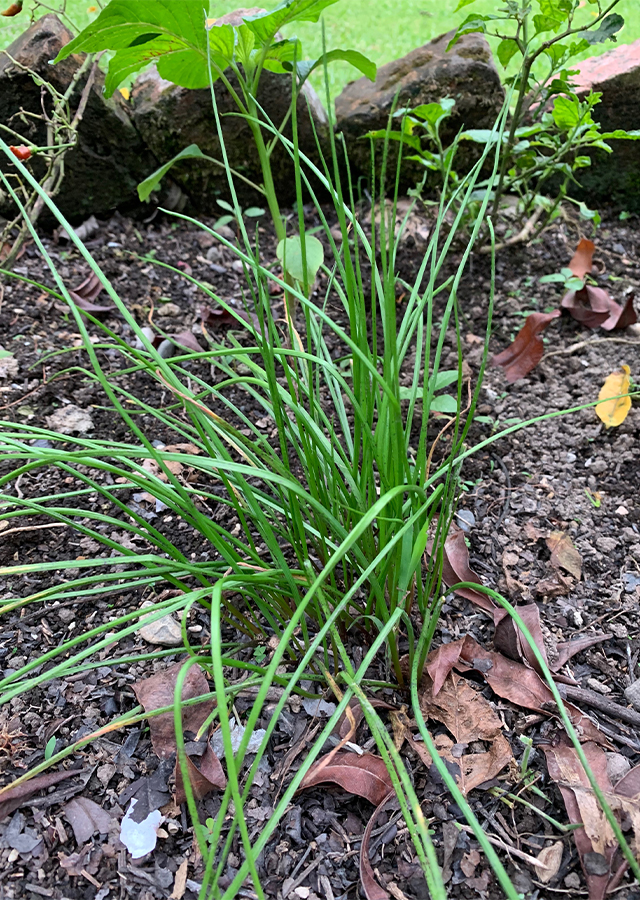
Bawang batak (Allium chinense) is a herb 15-35 cm tall of the Amaryllidaceae family, native to China and spreading as far as North America, with a growing center in North Sumatra. Its bulb is an essential complement to traditional Batak arsik dishes and vegetables, as well as an ingredient in traditional medicine. Bawang batak is also believed to aid digestion, support eye health, and reduce menstrual pain.
Agroecology
Bawang batak grows in lowland regions at elevations of 900-1,700 m above sea level. Rainfall of 1,500-2,000 mm/year. Requires adequate sunlight and favors well-drained soil, suited to sandy, loamy soil with acidic, neutral, and alkaline soil pH. This plant can tolerate poor soil conditions.
Morphology
- Roots taproot located at the tip of the bulb base.
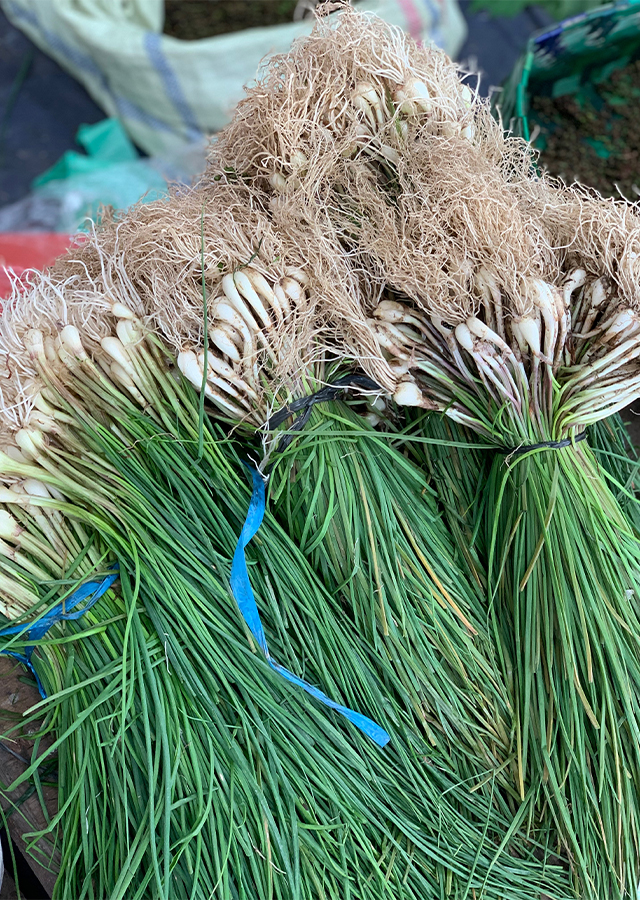
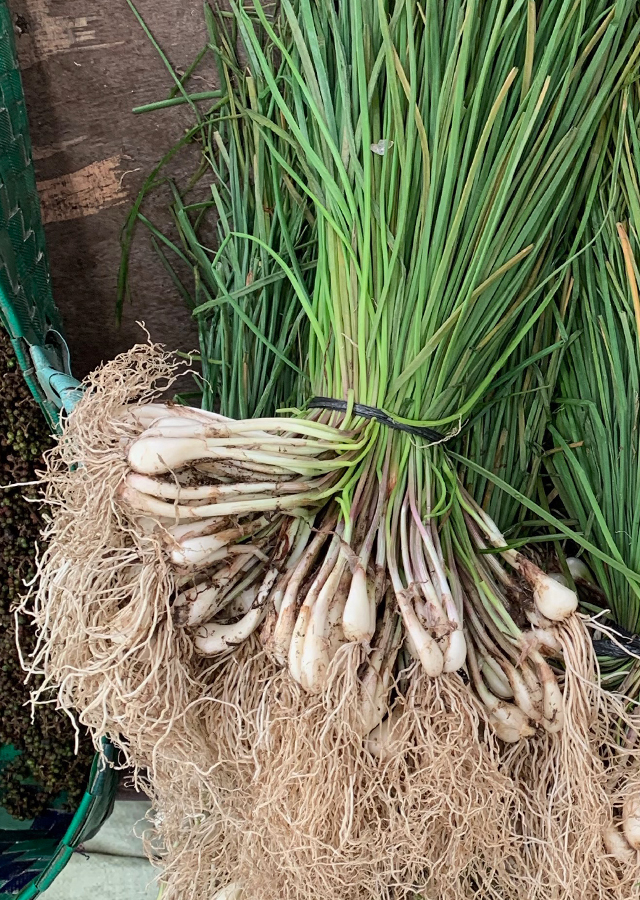
- Bulb somewhat oblong-shaped, white, smooth texture.
- Stem white, thin, and somewhat reddish, flowering at a height of 20-40 cm from the bulb.
- Leaves green, 15-35 cm long.
- Flowers compound, purple, stalk 40-60 cm long, with 5-25 hermaphrodite blooms per stalk.
Cultivation
- Propagation can use seed from the onion or use good, superior bulb parts.
- Using bulbs: Cut and leave the bulb section, soak in clean water until new shoots appear. To prevent rotting, change the water daily. Once sprouted, transplant the seedling to a polybag/pot or field.
Chemical Content
Steroidal saponins, polyphenols, flavonols (quercetin, quercetin glycosides), saponins (xiebai-saponin I, laxogenin, aglycone, isoliquiritigenin, ß-sitosterol glucoside), essential oils.
Benefits
Aids the digestive system; reduces cancer risk; boosts the immune system; supports eye health; supports bone health; helps prevent birth defects; reduces menstrual pain; treats bronchitis.
Simplisia
- Collect bawang batak roots, then remove any adhering debris.
- Wash thoroughly, then drain.
- Sun-dry for several days until dry.
- Grind into a powder.
- Store in a clean container.
Local Names
Information not available. Further research needed.
Traditional Recipes
The following recipes reflect traditional knowledge passed down through generations, not a substitute for professional medical diagnosis or advice. Consult a healthcare provider before use.
1. Menstrual Pain
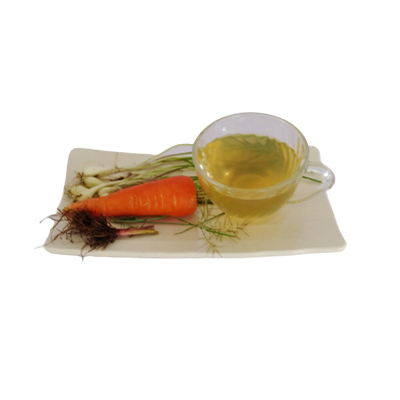
- Prepare 100 g bawang batak, 300 g carrot, 9 g nutgrass tuber.
- Boil all ingredients in 600 ml of water until reduced by half.
- Strain, then drink twice a day.
2. Bronchitis
- Peel a sufficient amount of bawang batak bulb and wash thoroughly.
- Blend into a juice extract.
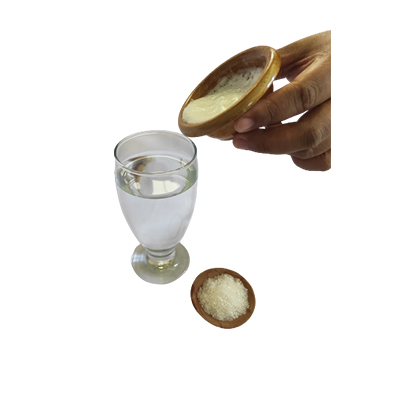
- Drink 3 times a day, 3 g each time. Sugar and water can be added before drinking as needed.
Reference Sources
- Fern Ken. (2014). Useful Tropical Plants: Allium chinense. http://tropical.theferns.info/viewtropical.php?id=Allium+chinense. 16-01-2021.
- Pl@nt Use. (2016). Allium chinense (PROSEA) https://uses.plantnet-project.org/en/Allium_chinense. 16-01-2021.
- Ping Lin Y et al. (2016). Antihyperlipidemic activity of Allium chinense bulbs. Journal of Food and Drug Analysis. https://www.sciencedirect.com/science/article/pii/S1021949816300217. 16-01-2021.
- Lubis Eva riyanty. 2019. Panduan praktis budi daya dan manfaat wortel. Bhuana ilmu populer.
- Redaksi Agromedia, 2008 https://books.google.co.id/books?id=4fZ1CQAAQBAJ&pg=PA55&dq=redaksi+agromedia+bawang+batak&hl=id&sa=X&ved=2ahUKEwiPpriCs_DuAhWZWX0KHSgdDDAQ6AEwAHoECAIQAg#v=onepage&q=redaksi%20agromedia%20bawang%20batak&f=false. 01-08-2020.
- Shahrajabian, M. H., Sun W., Cheng Q. 2020. Chinese onion (Allium chinense), an evergreen vegetable:A brief review. Polish Journal of Agronomy, 42: 40–45. doi: 10.26114/pja.iung.426.2020.42.05. 25-03-2021.