Aloysia citrodora Paláu
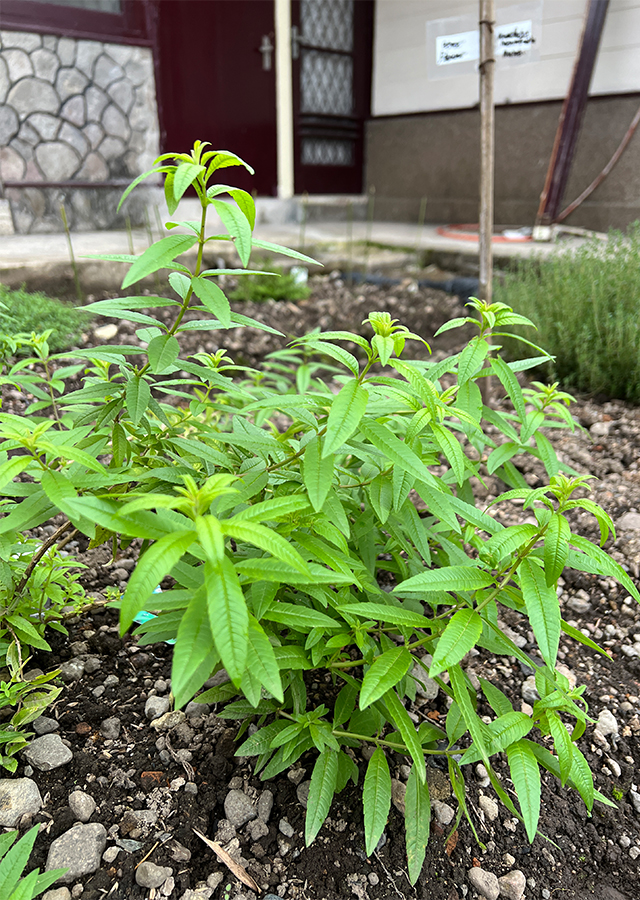
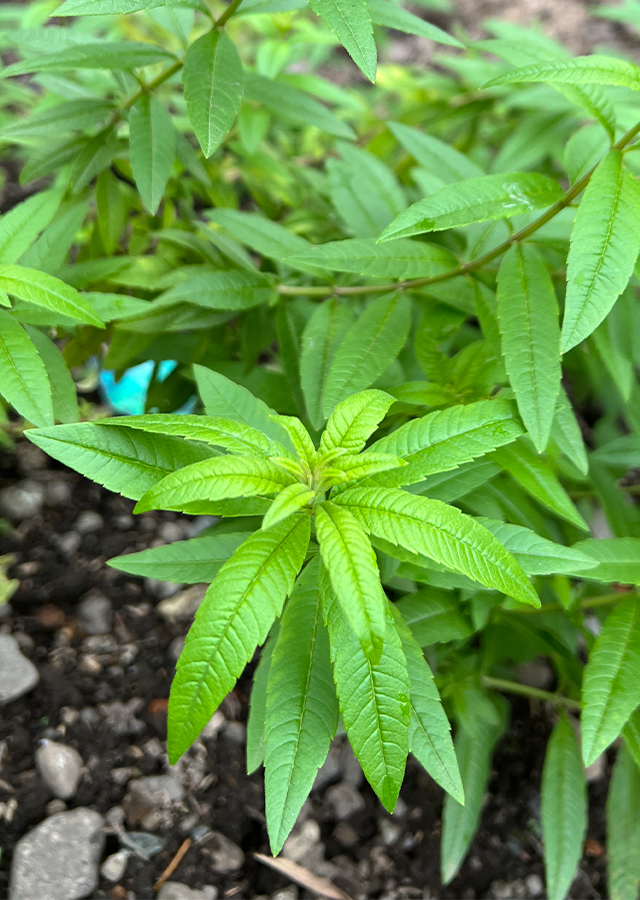
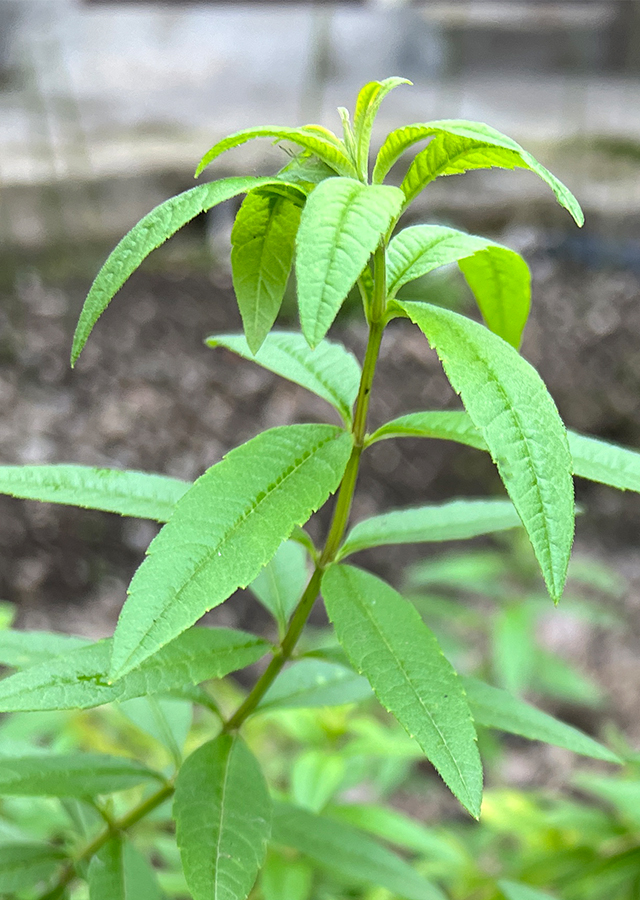
Summary
Aloysia citrodora or lemon verbena is native to Argentina, Bolivia, and Paraguay, and is now widely cultivated and naturalized across tropical and warm regions of the world—even recorded as invasive in Cuba and South Africa. Its lemon-scented leaves are used to flavor food and drinks and brewed as herbal tea, while its essential oil is popular in the perfume and aromatherapy industries. As a medicinal plant, lemon verbena is traditionally a popular remedy for addressing digestive disorders such as diarrhea and bloating.
Agroecology
Lemon verbena can be found growing in dry thickets, open fields, and along roadsides. This species is adapted to grow in semi-arid habitats but can also grow in moist tropical habitats. Lemon verbena grows in tropical and warm climate zones at elevations from sea level up to about 2,000 m asl. Grows well in areas with mean annual temperature ranging between 18°C and 28°C (tolerating 14°C-33°C) and mean annual rainfall ranging between 600 mm and 1,000 mm (tolerating 500-1,800 mm). However, mature plants can die at -12°C, and seedlings and young plants can be severely damaged at 0°C. Lemon verbena prefers fertile, well-drained soil with a pH of 5.5-7.5. Excess water triggers root rot.
Morphology
- Stem hairless when mature, ridged. Branches striate and scabrous.
- Leaves petiolate, blade lanceolate-elliptic shaped, tip and base acute, margin entire or slightly toothed. Upper leaf surface (adaxial) short-haired, scabrous, while the lower leaf surface (abaxial) hairless, smooth, glabrous with subsessile glandular trichomes, midrib and pinnate veins conspicuous. Has a lemon-like aroma.
- Flowers small, white or pale blue, appearing on a hairy calyx, floral bracts reduced, ovate, 1-1.5 mm, scabrous. Calyx puberulous, with 4 short, triangular teeth. Corolla forming a funnel or tube with 4-5 mm at the base enclosing 2 long stamens and 2 short stamens, externally puberulous. Inflorescence terminal and axillary, the terminal ones grouped as a paniculiform inflorescence.
Cultivation
- Plant propagation through seed and vegetatively by cuttings or clump division.
- Seeds are dispersed by wind and the fruit is a dry schizocarp that can spread by attaching to animals and humans.
Chemical Content
Neral, geranial, verbascoside, flavonoids, linalool, terpineol, pinene, methyl heptenone, trans-carveol, limonene.
Benefits
Treats digestive disorders (including diarrhea, bloating), insomnia, rheumatism, asthma, hemorrhoids, constipation, varicose veins, reduces fever, a mild sedative, cardiotonic, prevents cancer, boosts immunity, relieves stress, colds, and migraine. Has antioxidant, anti-inflammatory, analgesic, and antiseptic activity.
Simplisia
- Prepare an adequate amount of fresh lemon verbena leaves, wash until clean with running water then drain.
- Dry under direct sunlight for several days or with an oven at 40°C until the moisture content reaches 10%.
- Grind using a blender until it becomes powder.
- Store the simplisia in a clean, airtight plastic bag or container.
Local Names
Information not found. Further research is needed.
Traditional Recipes
The following recipes reflect traditional knowledge passed down through generations, not a substitute for professional medical diagnosis or advice. Consult a healthcare provider before use.
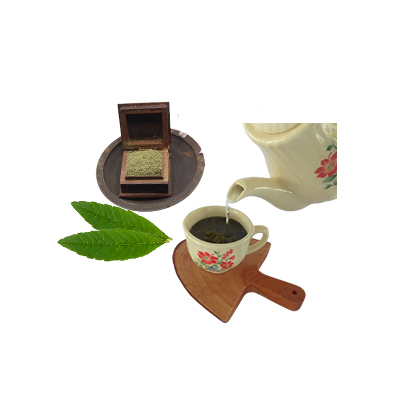
1. Diarrhea
- Prepare 5-29 g of dried lemon verbena leaves.
- Steep with boiling water for 10-15 minutes.
- Strain then drink 2-5 times a day.
Reference Sources
- Royal Botanic Gardens. Plants of the World Online: Aloysia citrodora Paláu. https://powo.science.kew.org/taxon/urn:lsid:ipni.org:names:1015994-1. 16-09-2022.
- CAB International. 2022. Invasive Species Compendium: Aloysia citrodora (lemon verbena). https://www.cabi.org/isc/datasheet/112152#tosummaryOfInvasiveness.16-09-2022.
- IDN Medis. 2022. Lemon Verbena: Manfaat – Efek Samping dan Tips Penggunaan. https://idnmedis.com/lemon-verbena. 16-09-2022.