Amorphophallus variabilis Blume
Summary
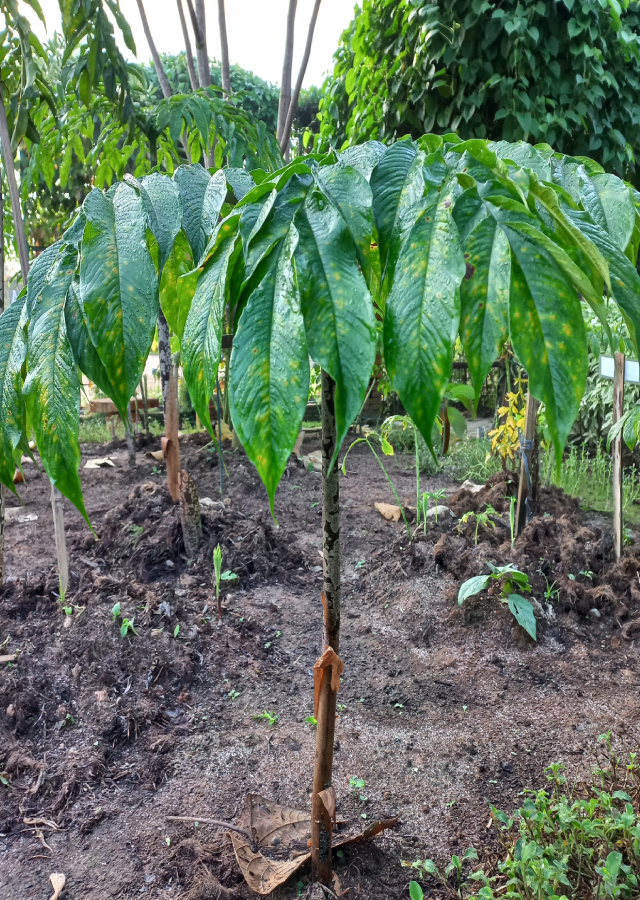
Walur (Amorphophallus variabilis) is an erect herb up to 1 meter tall from the Araceae family, a plant native to Indonesia and the Philippines that grows wild in Java and Madura. Its tubers and young shoots are processed into food or glucomannan-rich flour after cooking to reduce oxalic acid content. Glucomannan in walur is believed to help control blood sugar levels and reduce obesity.
Agroecology
Walur is usually found in secondary vegetation, forest edges, thickets, teak forests, village gardens, and located under shade. This plant can grow well in sheltered or open places at elevations of 150-550 m asl. Shade up to 50-60% can increase tuber production. The optimum average temperature for its growth ranges between 25-35 °C. Prefers moist sandy-loam soil texture with pH 6-7.5, and is not suitable planted in clay soil texture, because tuber development can be hindered. This plant also requires well-drained soil conditions with high humus content.
Morphology
- Roots fibrous and white.
- Tuber small, ± 7 cm in diameter, with a white corm. On the tuber surface there are many nodules (bud candidates) and it is rough, coarsely fibrous.
- Stem soft, round, smooth, various colors, white or light brown with irregular patterns, relatively smaller compared to Amorphophallus muelleri and Amorphophallus paeoniifolius.
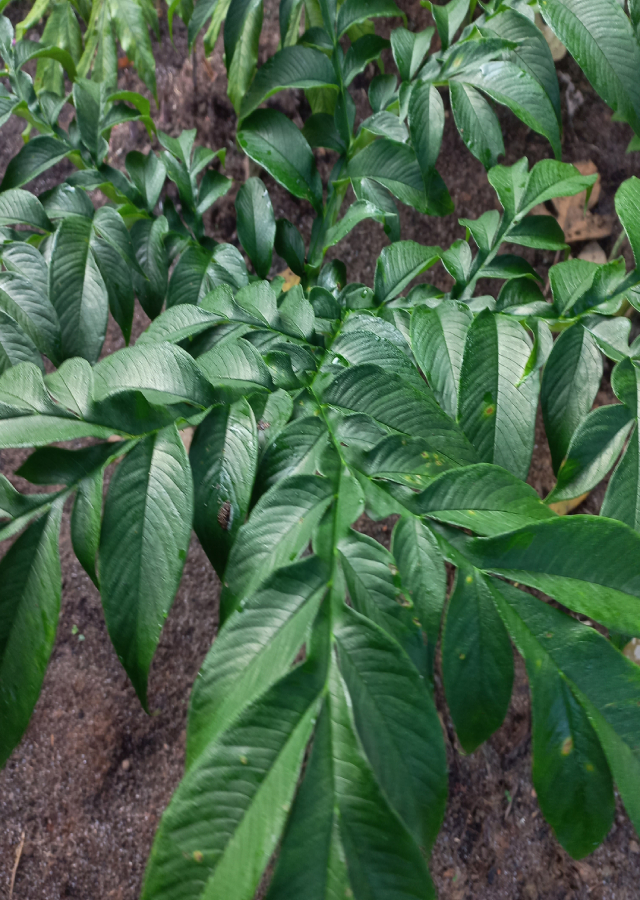
- Leaves single, tapering tip, notched base, green, smaller in size than porang. At each branch junction and leaf axil there are no bulbils or frogs.
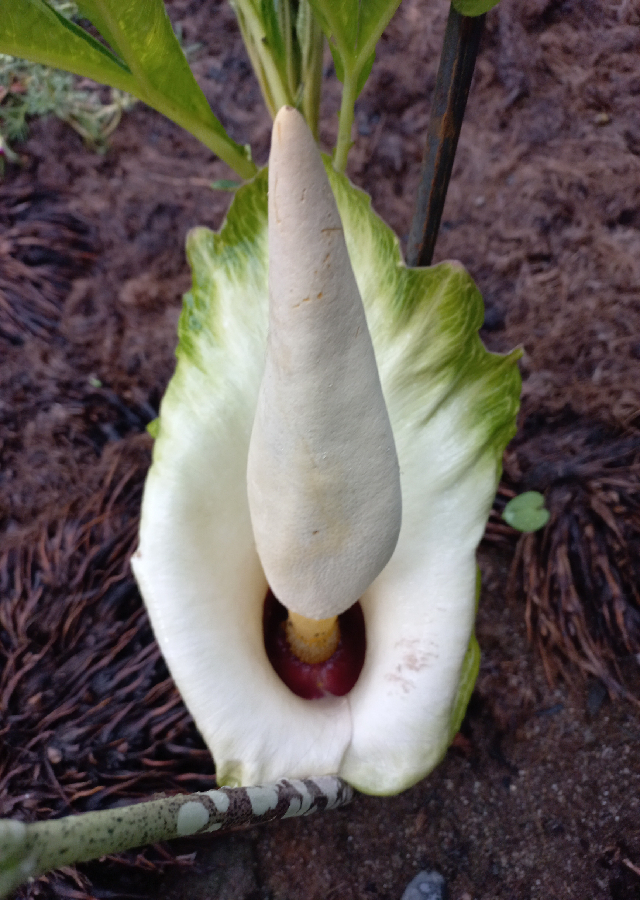
- Flowers have a small and long spadix, much longer than its spathe. Spathe narrow, long, small, white. Compound flower, head-shaped with a length of 20-40 cm, at the base there are bracts, male flowers yellow, and female flowers greenish-yellow.
- Fruit a berry, orange-red, subglobose or elongated shape, 1-3 seeded.
Cultivation
Propagation generatively by seed or vegetatively using tubers or tuber parts, and tissue culture.
Chemical Content
Saponins, flavonoids, and tannins.
Benefits
Treats boils, venomous animal bites, cuts, controls lipid and blood sugar levels in type 2 diabetes mellitus patients, reduces obesity, prevents and inhibits cancer, and reduces clinical symptoms of diverticulosis (formation of small pockets (diverticula) in the large intestine).
Local Names
Cumpleng (Java), Acung, Cocoöan oray (Sunda), Lorkong (Madura), Kembang bangke, Kembang gaceng (Betawi).
Traditional Recipes
The following recipes reflect traditional knowledge passed down through generations, not a substitute for professional medical diagnosis or advice. Consult a healthcare provider before use.
1. Boils
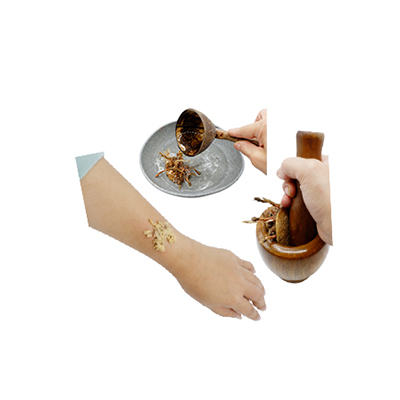
- Prepare 5 g fresh walur tuber and wash until clean.
- Mash/grate the tuber into a paste.
- Apply the paste to the boil.
Reference Sources
- Kurniawan A., Asih N.PS. 2012. Araceae di Pulau Bali. Jakarta: LIPI Press.
- Saleh N dkk. 2015. Tanaman Porang: Pengenalan, Budidaya, dan Pemanfaatannya. Pusat Penelitian dan Pengembangan Tanaman Pangan.
- PROSEA. 2017. Amorphophallus (PROSEA). https://uses.plantnet-project.org/en/Amorphophallus_(PROSEA). 01-10-2021.
- IPBIOTICs. 2014. View TumbuhanObat#Amorphophallus variabilis Bl.http://ipbiotics.apps.cs.ipb.ac.id/index.php/tumbuhanObat/77. 01-10-2021.
- Useful Tropical Plants Database. 2021. Amorphophallus variabilis. http://tropical.theferns.info/viewtropical.php?id=Amorphophallus+variabilis. 01-10-2021.
- Royal Botanical Gardens. 2021. Plants of the World Online: Amorphophallus variabilis Blume. http://powo.science.kew.org/taxon/urn:lsid:ipni.org:names:84460-1. 01-10-2021.