Andrographis paniculata (Burm.f.) Nees
Summary
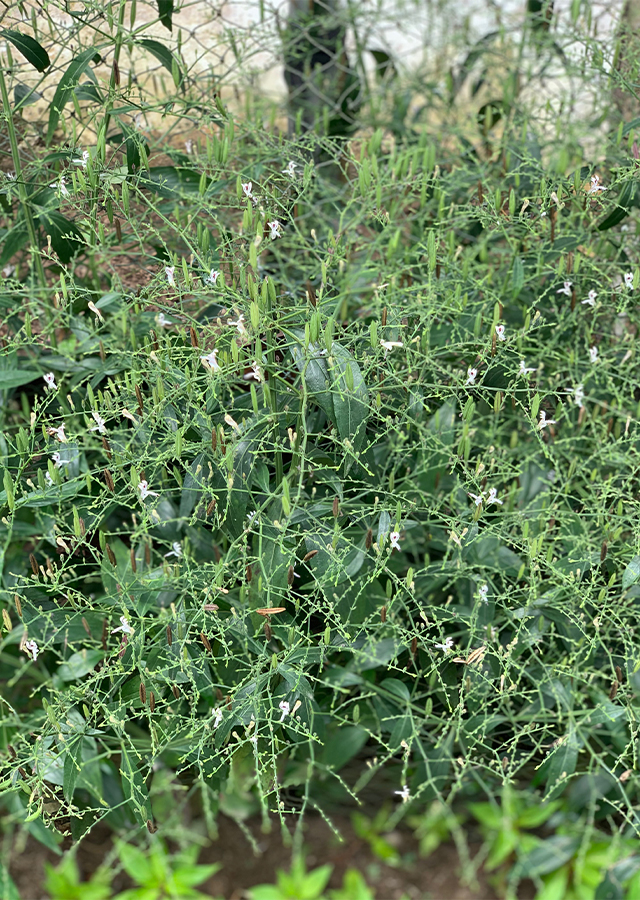
Sambiloto (Andrographis paniculata) is an annual herb up to 90 cm tall of the Acanthaceae family, distributed from India to the Malay Peninsula and Java. Its intensely bitter taste is the distinctive characteristic of this wild plant, one of the most popular traditional medicines in Indonesia. Sambiloto is believed to help reduce fever, relieve inflammation, and address various infections.
Agroecology
Grows well in lowlands up to 1,200 m above sea level, rainfall 2,000-3,000 mm/year, and able to grow in almost all soil types with soil pH 6-7, average daytime temperature 20-30 °C, humidity 70-90%. Commonly found at the edges of rice fields, gardens or forests, and prefers shaded places.
Morphology
- Roots taproot, brownish-white in color.
- Stem woody, round or square, green, monopodial, heavily branched.
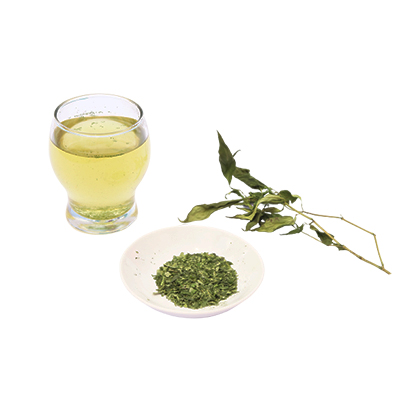
- Leaves single, positioned opposite each other, dark green on upper and lower surfaces.
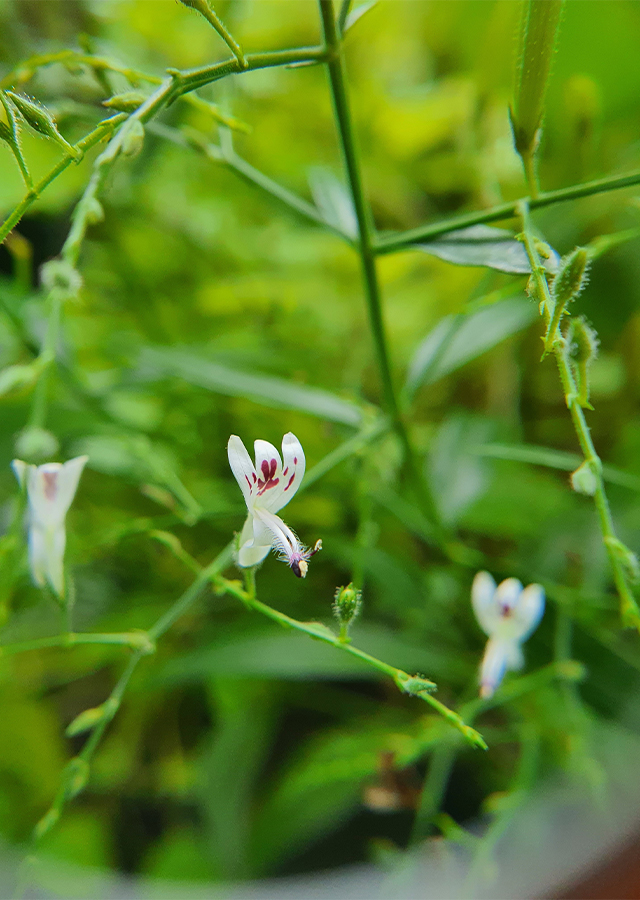
- Flowers compound, growing from leaf axils, purplish-white in color.
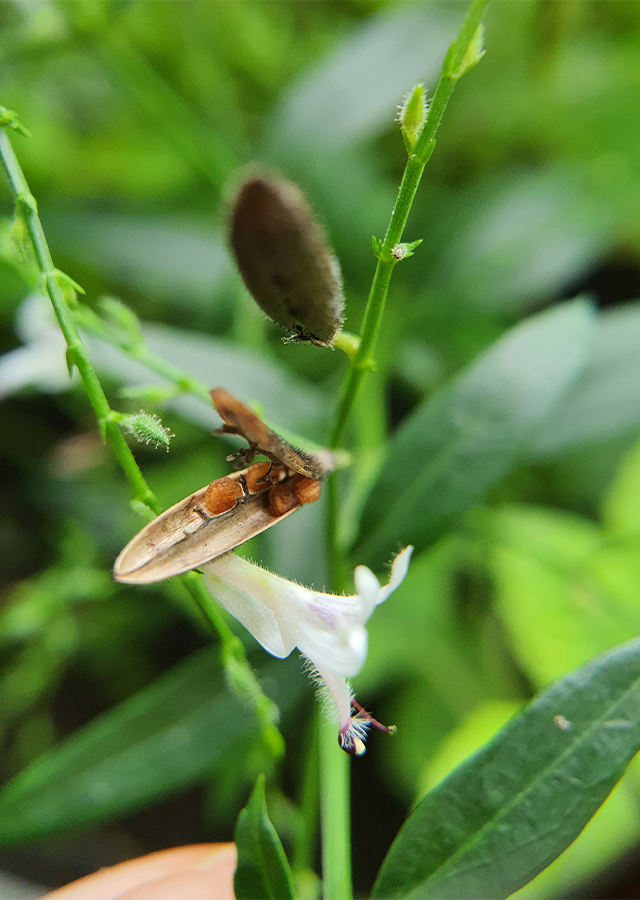
- Fruit oblong shaped with sharp base and tip, seeds burst open when ripe.
Cultivation
- Propagated generatively (by seed) and vegetatively (cuttings).
- Before sowing, soak the seeds for 24 hours first and dry them. After 1 week, the seeds will germinate and become seedlings.
Chemical Content
Diterpenes (andrographolide), flavonoids, tannins, stigmasterol, ketones, alkanes, lactones, steroids, alkaloids, phenols, catechin, saponins, and β-sitosterol.
Benefits
Prevents inflammation formation, promotes urination (diuretic), reduces body heat (antipyretic), stomach ache remedy, diabetes, typhus remedy, cures colds and flu, prevents heart disease and diabetes, cures infections, whooping cough, lung inflammation, pharyngitis, treats toothache.
Local Names
Sambilata (Malay), Ampadu tanah (West Sumatra), Kipait, Bidara, Takila (Java), Ki oray, Ki peurat, Takilo (Sunda), Pepaitan (Madura).
Traditional Recipes
The following recipes reflect traditional knowledge passed down through generations, not a substitute for professional medical diagnosis or advice. Consult a healthcare provider before use.
1. Typhoid Fever
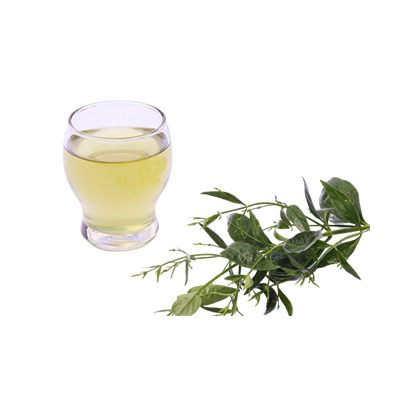
- Prepare 10-15 leaves, 2 glasses of water, and 1 teaspoon honey.
- Boil the leaves until it boils and 1 glass of water remains, cool then strain.
- Add honey and drink 3 times a day.
2. Neutralizing Blood Sugar
- Pick 20 leaves. Air-dry until completely dry, grind until fine.
- Steep 1 tablespoon of powder with a glass of boiling water. Let it sit for 2 hours, strain.
- Drink routinely 3 times a day.
Reference Sources
- Chao WW, Kuo YH, Lin BF. 2010. Anti-inflammatory activity of new compounds from Andrographis paniculata by NF-KB transactivation inhibition. J. Agric. Food Chem. 58: 2505-2512.
- Hossain MdS, Urbi Z, Sule A, Rahman KMH. 2014. Andrographis paniculata (Burm. f.) Wall. ex Nees: A review of ethnobotany, phytochemistry, and pharmacology. The Scientific World Journal: 1-28
- Jarukamjorn K, Nemoto N. 2008. Pharmocological aspects of Andrographis paniculata on health and its major diterpenoid constituent anndrogapholide. J. Health Sci. 54(4): 370-381.
- Talei D, Valdiani A, Maziah M, Sagineedu SR, Saad MS. 2013. Analysis of the anticancer phytochemicals in Andrographis paniculata Nees. under salinity stress. Bio. Med. Res. Intl. 1-11.
- Santa IGP. 1996. Studi Taksonomi Sambiloto Andrographis paniculata (BURM.F) Nees.
- Widyawati T. Aspek Farmakologi Sambiloto (Andrographis paniculata Nees). Fakultas Kedokteran Universitas Sumatera Utara.