Antidesma bunius (L.) Spreng.
Summary
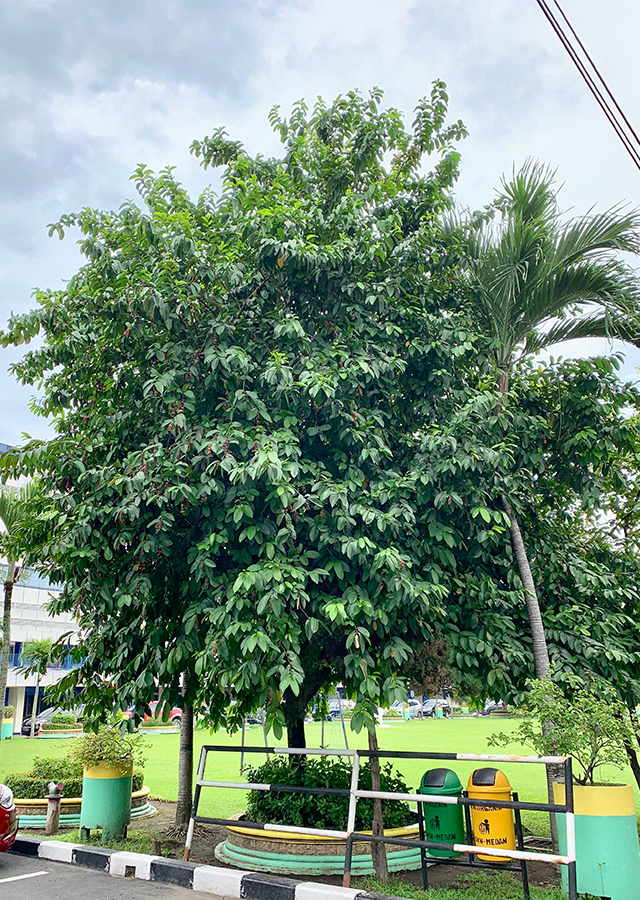
Buah buni (Antidesma bunius) is an upright tree up to 15-30 meters tall of the Phyllanthaceae family, native to Southeast Asia and northern Australia, growing wild in moist areas from Assam to Indonesia. Its young leaves are commonly eaten as a side dish, while its sweet-sour fruit is popular as a traditional remedy for high blood pressure. Buah buni is also believed to help increase breast milk flow and address anemia.
Agroecology
Grows in tropical areas from 0-1,000 m above sea level, fertile to clay-loam soil. In Indonesia it is generally planted in the eastern region with a monsoon climate and the moist western region.
Morphology
- Stem straight, brown or gray, smooth, usually branching near the base, many branches forming a shady canopy.
- Leaves single, dark green, alternate.
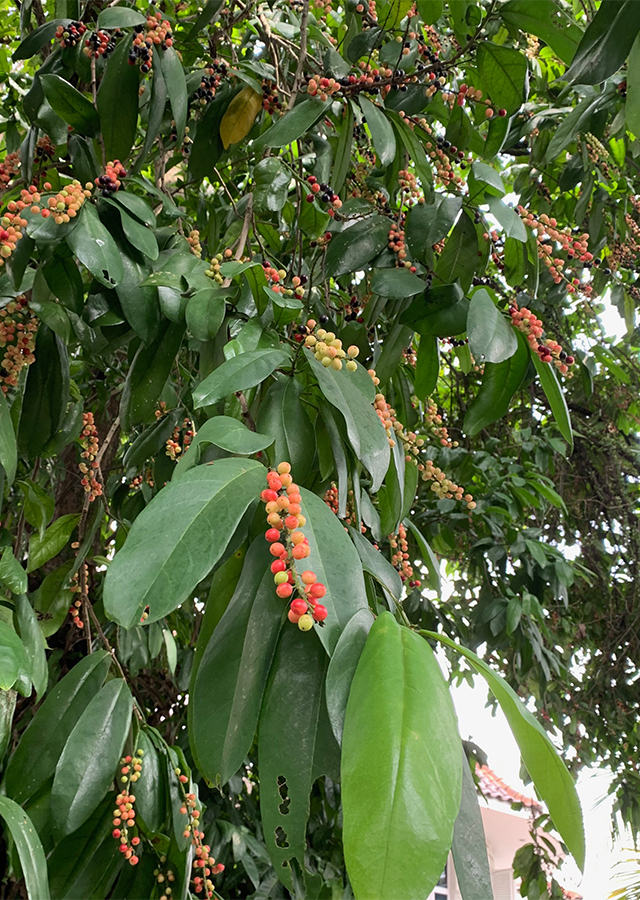
- Flowers small, in racemes, with a pungent smell, bright green (early) turning reddish when blooming, dioecious.
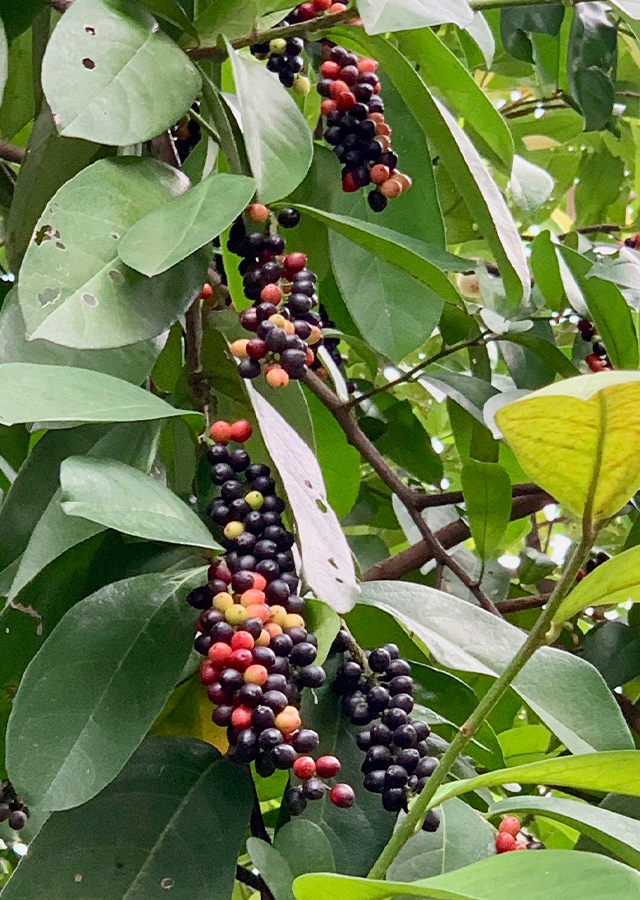
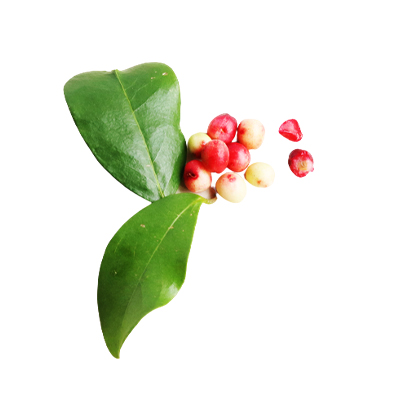
- Fruit juicy, fleshy, ovoid or round, 8-10 mm in diameter, yellowish-red to bluish-violet.
Cultivation
- Propagated generatively (seed), vegetatively (stem cuttings, air layering, budding, and grafting).
- Air layering generally roots after 95 days.
- Budding uses somewhat mature shoots, 3-4 cm long, smooth and green, with a petiole and lenticels.
Chemical Content
Phenolic (kaempferol, quercetin, anthocyanin), polyphenol (catechin, epicatechin, rutin and trans-resveratrol), phenolic acid (gallic, caffeic, ellagic acids).
Benefits
Antioxidant, antibacterial, syphilis, anemia, heart palpitations, high blood pressure, wound remedy, increases breast milk flow, antidiabetic, hypertension remedy, anemia, and snake bites.
Simplisia
- Prepare ripe, non-rotten buah buni fruit.
- Wash the fruit thoroughly.
- Dry by air-drying until completely dry. Grind into powder.
- Store in an airtight place.
Local Names
Huni (Sunda), Wuni (Java), Onded, Huni wera (Madura), Katakuti Kutikata (Maluku), Bune (South Sulawesi).
Traditional Recipes
The following recipes reflect traditional knowledge passed down through generations, not a substitute for professional medical diagnosis or advice. Consult a healthcare provider before use.
1. Wound remedy
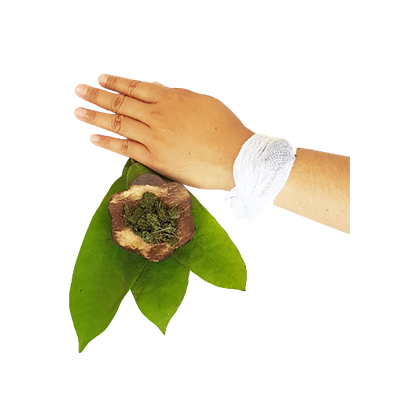
- Prepare ±10 g fresh buni leaves, wash thoroughly then pound until mashed.
- Apply to the wound then bandage with a clean cloth.
2. High blood pressure
- Wash 30 buni fruits thoroughly. Chew the fruit until fine then swallow. Then drink 1 cup of warm water.
- Do this 2-3 times a day.
Reference Sources
- Lim, T.K. (2012). Edible Medicinal And Non-Medicinal Plants: Volume 4, Fruits. pg220.
- Fern, ken. (2019). Useful Tropical Plants. Antidesma bunius. http://tropical.theferns.info/viewtropical.php?id=Antidesma+bunius 30-01-2021.
- StuartXchange. (2020). Philippine Medicinal Plants. Bignay. http://www.stuartxchange.com/Bignay 30-01-2021.
- Md Shariful Islam. (2018). A review on phytochemical and pharmacological potentials of Antidesma bunius.Journal of Analytical & Pharmaceutical Research. https://medcraveonline.com/JAPLR/a-review-on-phytochemical-and-pharmacological-potentials-of-antidesma-bunius.html. 30-01-2021.
- Dalimartha Setiawan, Adrian, Felix. 2013. Ramuan Herbal Tumpas Penyakit. Penebar Swadaya, Jakarta.
- Widyaningrum Herlina. 2019. Kitab Tanaman Obat Nusantara, Media Pressindo, Jakarta.