Antigonon leptopus Hook. & Arn.
Summary
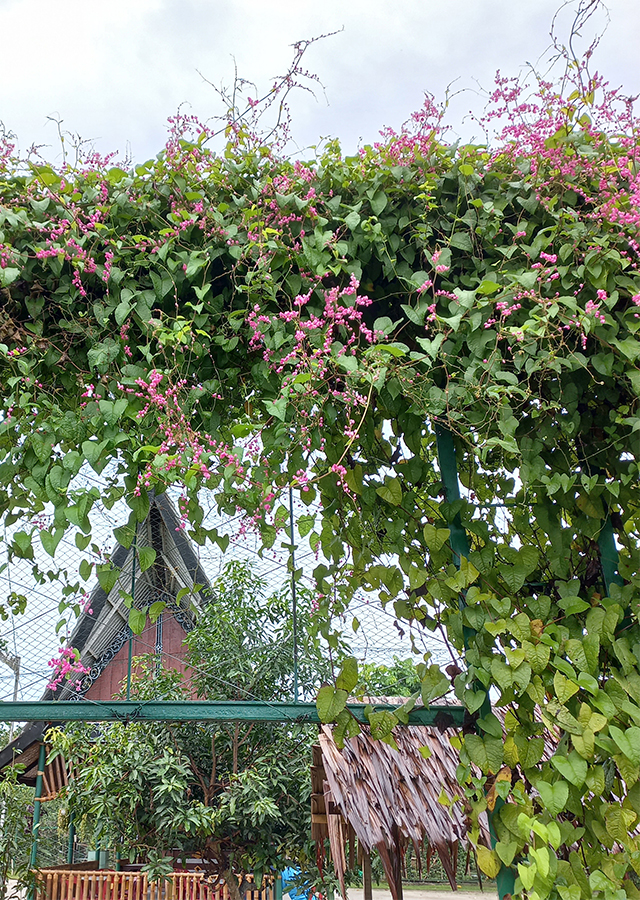
Air mata pengantin (Antigonon leptopus) is a vine up to 12 meters tall of the Polygonaceae family, native to Mexico, distributed as far as the Philippines and Africa. Its bright pink flowers are an important nectar source for honey production, besides being popular as a fence cover plant. In the West Indies and Central America, tea from its leaves and flowers is traditionally used to treat colds and throat constriction.
Agroecology
A. leptopus prefers to grow in regions with warm temperatures and high rainfall at low elevations (from sea level to about 1,000 m above sea level). This plant has the ability to grow in almost all soil types including soil derived from coral, sandy soil, seasonally waterlogged soil, and alkaline limestone soil with a degree of acidity from acidic to alkaline soil. Average annual rainfall 300-3,500 mm/year. Prefers full sunlight with little water.
Morphology
- Root swollen, elongated, and tuber-shaped.
- Stem woody, puberulent, pentagonal, with many lateral branches, hairy, has tendrils.
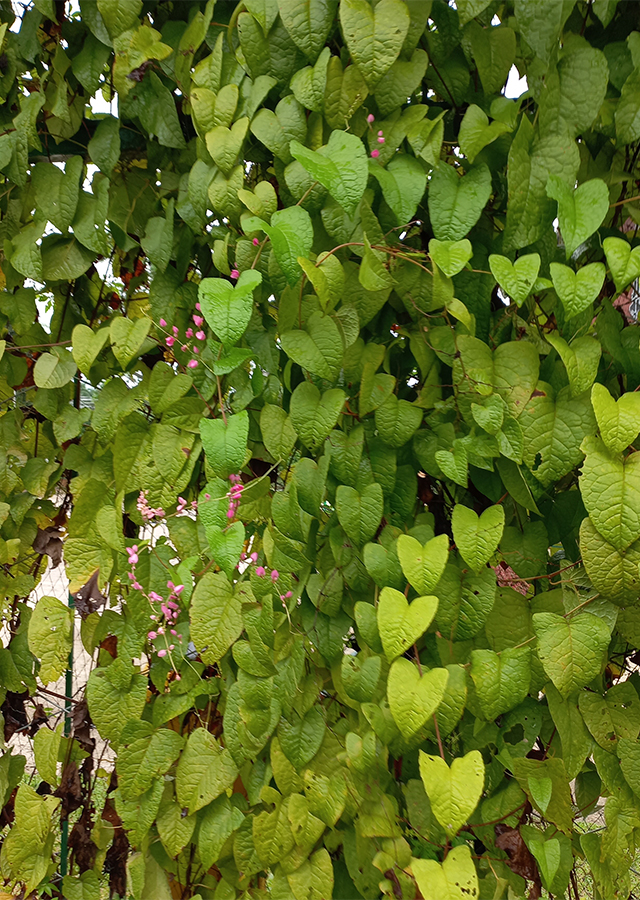
- Leaves alternate, ovate to oblong-ovate, with a heart-shaped base, serrated edges, up to 10 cm long.
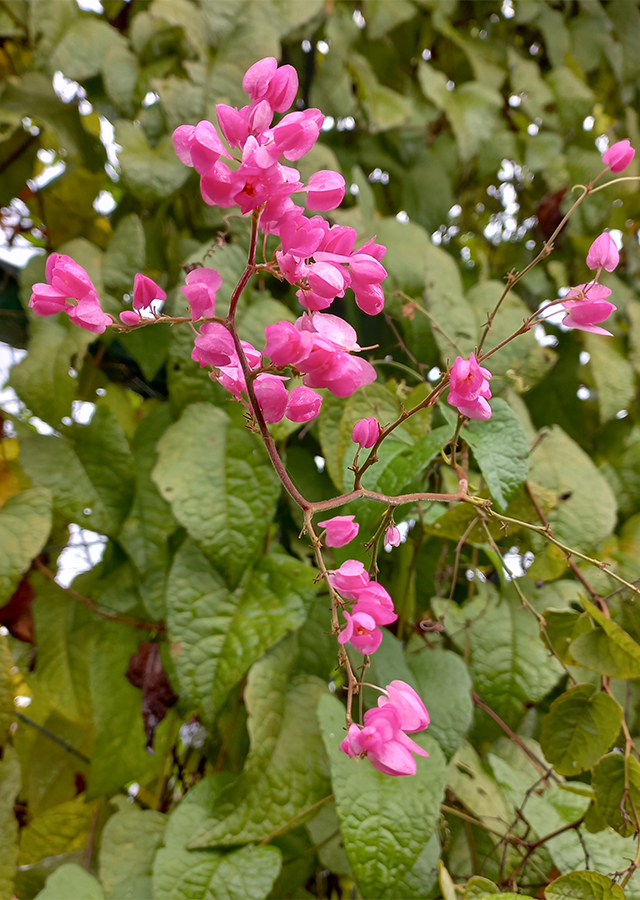
- Flowers arranged in racemes, appearing in the upper axils of the branch terminal. White or pale to bright pink in color, up to 2 cm long. Each flower has 5 petals, the three outermost petals ovate resembling a heart, while the two inner ones are more pointed in shape. Stamens numbering 7-9, filament bases fused. Pistil stalks number three, stigma button-shaped.
- Fruit ovate to cone-shaped, about 1 cm long with a pointed, triangular tip.
- Seeds found in the longitudinal and deep grooves of the fruit.
Cultivation
A. leptopus reproduces generatively with seed and also reproduces vegetatively with stem cuttings, plant sections, and underground tubers.
Chemical Content
Alkaloid, saponin, tannin, unsaturated sterol and/or triterpene, flavonoid, glycoside, coumarin, phytosterol, triterpenoidal sapogenin, phenol, amino acids, steroid, xanthoprotein, carboxylic acid, quinines, resin, n-hentriacontane, ferulic acid, 4-hydroxycinnamic acid, quercetin-3-rhamnoside, kaempferol-3-glucoside along with ß-sitosterol, ß-sitosterol-glucoside, and d-mannitol.
Benefits
Used as a wound cover, reduces swelling, used in the treatment of diabetes, high blood pressure, as a heart tonic, remedy for flu, colds and pain, cough and throat constriction.
Local Names
No information found. Further research needed.
Traditional Recipes
The following recipes reflect traditional knowledge passed down through generations, not a substitute for professional medical diagnosis or advice. Consult a healthcare provider before use.
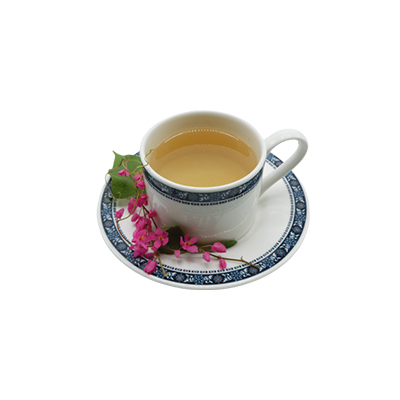
1. Preventing cough and flu
- Wash all parts of the air mata pengantin plant thoroughly.
- Boil until boiling.
- Strain the decoction.
- Drink while warm.
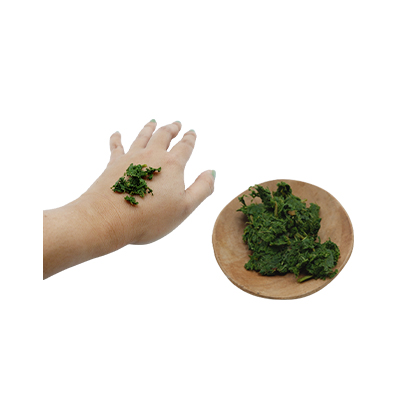
2. Reducing swelling
- Wash fresh leaves as needed thoroughly.
- Grind until fine into a paste.
- Apply the fresh leaf paste to the swollen area.
Reference Sources
- National Park. 2019. Antigonon leptopus Hook. & Arn. https://www.nparks.gov.sg/florafaunaweb/flora/1/3/1312. 31-08-2021.
- CAB International. 2021. Antigonon leptopus (coral vine). https://www.cabi.org/isc/datasheet/112316. 31-08-2021.
- Anakagronomy[dot]com. 2013. Bunga Air Mata Pengantin (Antigonon leptopus). https://www.anakagronomy.com/2013/03/bunga-air-mata-pengantin-antigonon.html. 31-08-2021.