Apium graveolens L.
Summary
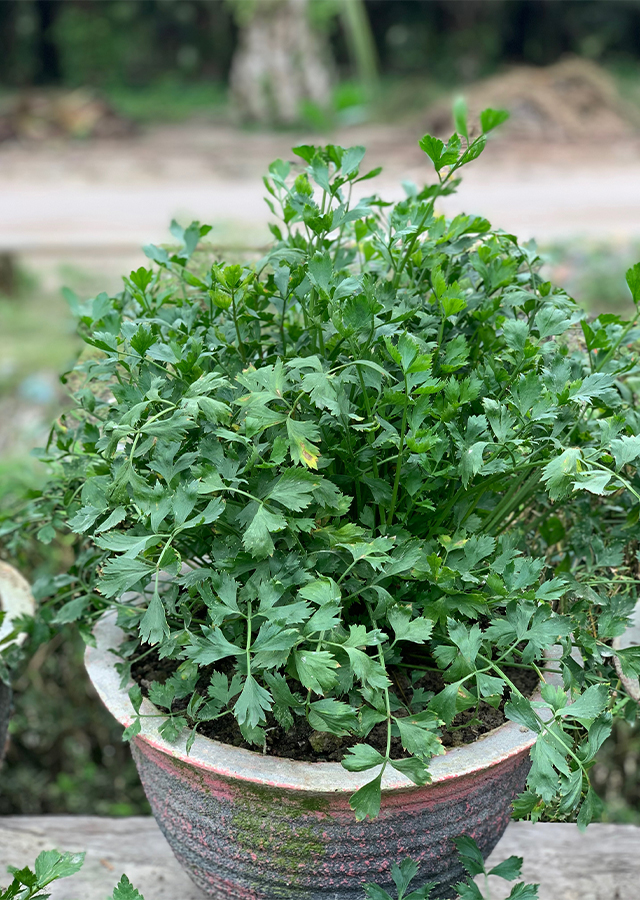
Celery (Apium graveolens) is a biennial herb less than 1 meter tall of the Apiaceae family, native to around the Mediterranean Sea, first cultivated on a large scale by Taiwan before spreading to Europe and America. Its content of the flavonoids apiin and apigenin is important for fighting free radicals. Celery is traditionally believed to lower high blood pressure and uric acid levels.
Agroecology
Grows well at elevations of 1,000-1,500 m above sea level and optimally in environments with air temperatures ranging from 16-21°C. The desired planting medium is well-drained soil, able to retain water, and soil pH ranging from 5.8-6.7.
Morphology
- Root a taproot, thick, root system spreading in all directions, dirty white color.
- Stem non-woody, jointed, branched, upright pale green.
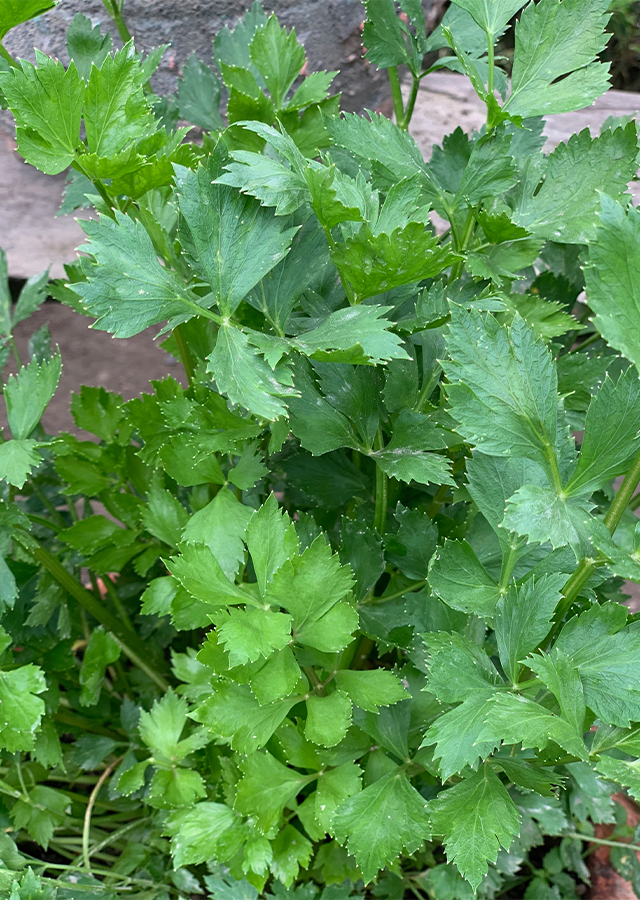
- Leaves compound, thin, pinnate veins with 3-7 leaflets, light green to dark green color.
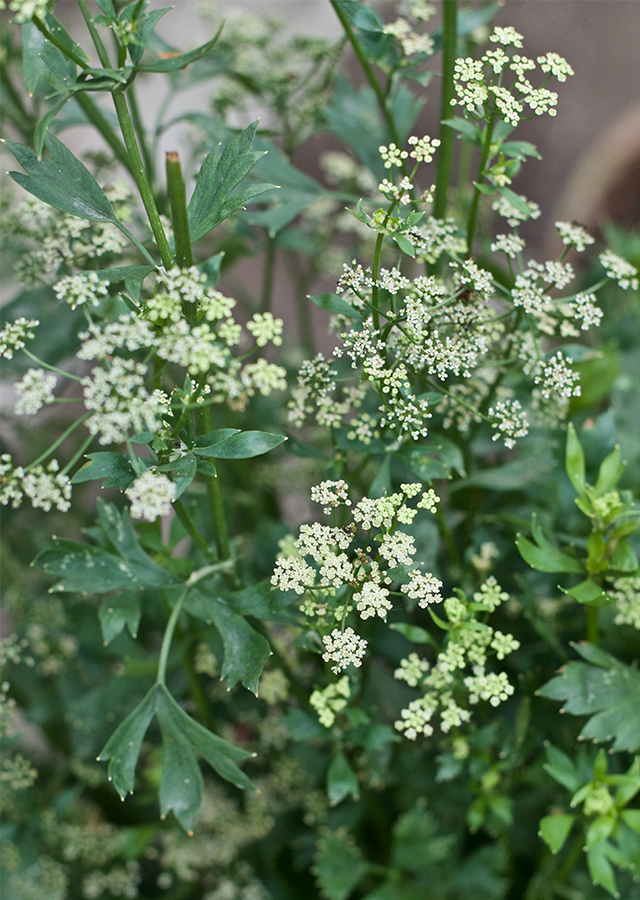
- Flowers single, clear stalk, sepal side hidden, flower petals whitish-green/pale pink with a bent tip.
- Fruit 3 mm long, angular stem, grooved, very aromatic.
Cultivation
- Propagated generatively (seed), germination takes place over 7-12 days, transplant to the garden after 2 months of age.
- Vegetative propagation: taking offsets found in the clump of the parent celery plant.
Chemical Content
Flavonoid (apigenin), saponin, tannin, phenol, coumarin, steroid, alkaloid, kaempferol, apiin, falcarinol, panaxidol, 1-dodecanol, chlorogenic acid, apigenin, palmitic acid, stearic acid.
Benefits
Treats hypertension, appetite booster, lowers uric acid levels in the blood, addresses dry eyes, fertility booster, antiseptic, anti-inflammatory, pain reliever, diuretic, antirheumatic, sedative, antithyroid, anticancer.
Simplisia
- Choose and separate celery leaves, stems, and flowers.
- Wash thoroughly using clean running water, then drain.
- Wilt the celery for approximately 24 hours.
- Dry (oven) at 40°C, to obtain simplisia with a moisture content of 10%.
- Store in a clean, airtight container.
Local Names
Saledri (Sunda).
Traditional Recipes
The following recipes reflect traditional knowledge passed down through generations, not a substitute for professional medical diagnosis or advice. Consult a healthcare provider before use.
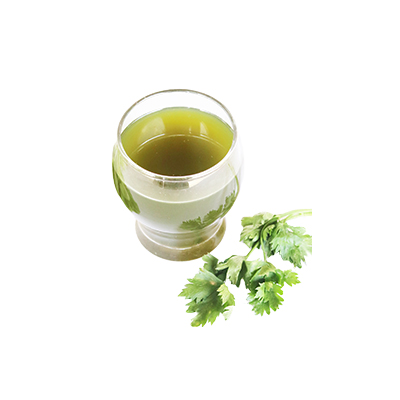
1. Dry eyes
- Wash 2 celery leaf stalks, 2 spinach leaf stalks, 1 basil leaf stalk thoroughly.
- Mash all ingredients and steep with 1 glass of hot water, strain.
- Drink while warm.
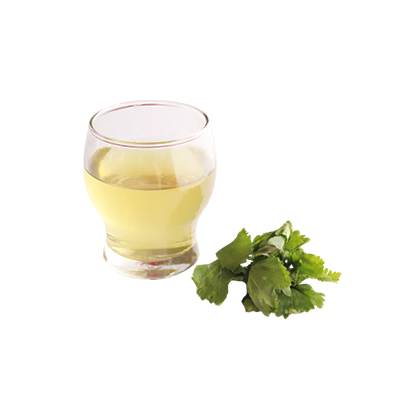
2. Lowering blood pressure
- Boil 40 g fresh leaves with 2 glasses of water for 15 minutes, cool and strain.
- Drink 2 times a day (morning and evening).
Reference Sources
- Widyaningrum Herlina, Tim Solusi Alternatif. 2019. Kitab Tanaman Obat Nusantara. Media Pressindo, Jakarta.
- NCBI. http://ncbi.nlm.nih.gov/AnupdatephytopharmacologicalreviewonmedicinalplantofArabregion:ApiumgraveolensLinn., 20-01-2021.