Asystasia gangetica (L.) T.Anderson
Summary
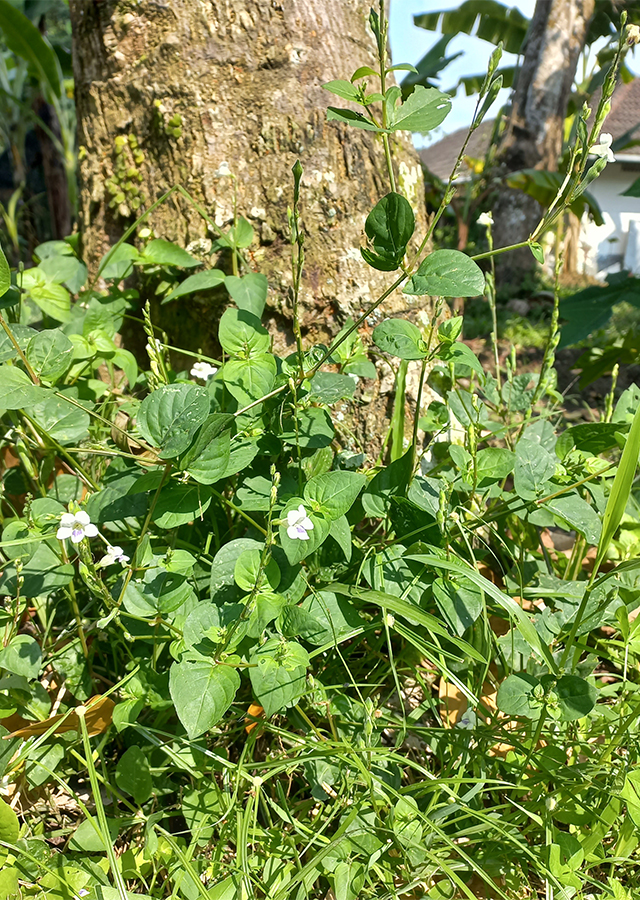
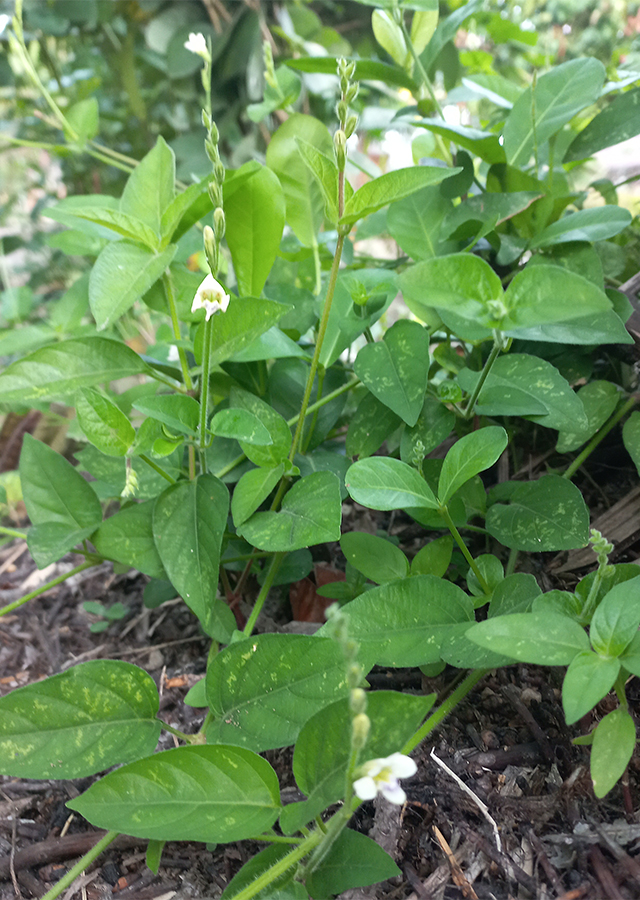
Chinese violet (Asystasia gangetica) is a herb up to 1 meter or taller from the Acanthaceae family native to Malaysia, India, and tropical Africa, now considered a major weed in rubber and oil palm plantations though its leaves are popular as a vegetable in Africa. Chinese violet is traditionally used to ease childbirth and as an enema in the final months of pregnancy, as well as an antidote to snake bites in Nigeria.
Agroecology
Chinese violet can be found growing along roadsides, disturbed areas, agricultural areas, riverbanks, and semi-waterlogged areas. Grows best in humid tropical regions. This plant tolerates many soil types, but its optimal growth occurs in well-drained, moist soil rich in compost. Prefers relatively dry soil and a position in full sun or partial shade, but plants grown in full sun need adequate moisture. Chinese violet also cannot survive without irrigation in areas with a dry season of 4 months or more. Established plants are drought-resistant. In some parts of Africa, where this plant has naturalized, Chinese violet grows in areas where mean annual rainfall is in the range of 1,200-2,100 mm.
Morphology
- Roots taproot, roots can arise from branches, root hairs present, roots whitish brown.
- Stem square shaped, purplish green.
- Leaves unifoliate, opposite, green, ovate, with a pointed apex and rounded or narrowing base, margins entire, with many linear cystoliths on the upper surface, veins pinnate, secondary veins conspicuous.
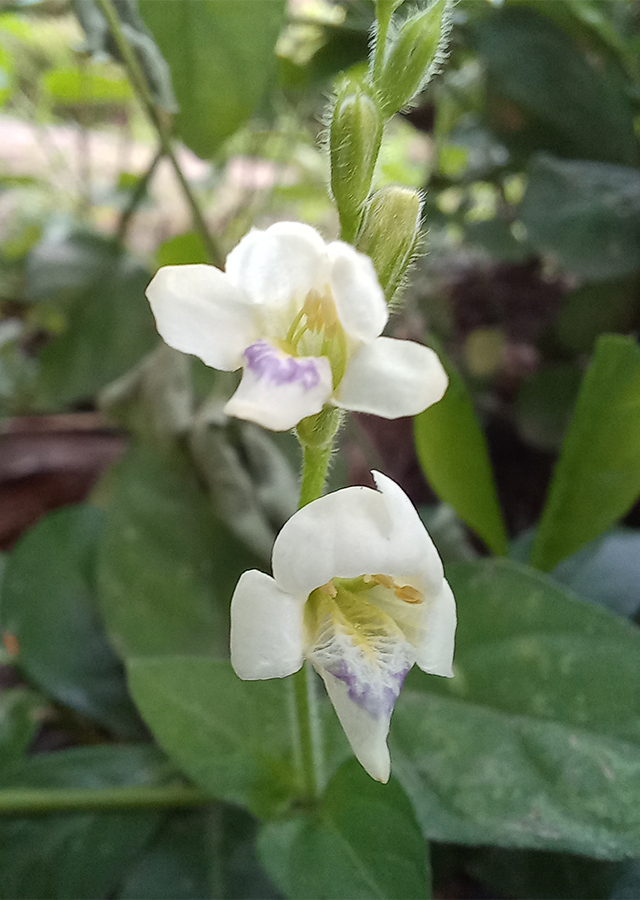
- Flowers bisexual, zygomorphic, calyx green, linear-lanceolate shaped, about 5 mm long and hairy on the back. Corolla funnel- or asymmetric tube-shaped, 5-lobed, white or pale purple, corolla lobes round to oblong shaped, the tube yellow and swollen, hairy on the outer surface. Stamens and pistil included within the corolla tube.
- Fruit a cylindrical capsule, about 2.5 cm long, green when young and turning light brown and dry, exploding (dehiscing) when ripe, densely covered with glandular hairs.
- Seeds 2-4, whitish black to brownish, flat, beaked, margin irregular, surface smooth, dense, ovate shaped, angular, wrinkled or subtubercular, less than 5 mm in diameter.
Cultivation
- Propagation is generative (seed) and vegetative (stem cuttings).
- Stem cuttings come from a stem cut with 1-3 nodes or segments. A single-segment cutting, buried in soil, can produce flowers and fruit within 6 weeks.
Chemical Content
Alkaloids, tannins, steroidal aglycones, saponins, flavonoids, triterpenoids, biflavone glycoside - apigenin 7-O-glucosyl (3'-6") luteolin 7"-O-glucoside, 5,11-epoxymegastigmane glucoside (asysgangoside), anthraquinones, essential oil (hexadecanoic acid, n-hexadecanoic acid, phytol, and 9,12,15-octadecatrienoic acid).
Benefits
Treats asthma, cough, wounds and swelling, muscle spasms, eases childbirth, reduces labor pain, used as an enema in the final months of pregnancy, treats hemorrhoids, rheumatism, ear disease, skin allergies, epilepsy, reduces fever, treats stomach ache, an emetic remedy for treating snake bites, stops nosebleeds. Has anthelmintic, antidiabetic, astringent, and anti-inflammatory activity.
Local Names
Arang sungsang, Ara sungsang, Coromandel.
Traditional Recipes
The following recipes reflect traditional knowledge passed down through generations, not a substitute for professional medical diagnosis or advice. Consult a healthcare provider before use.
1. Fever
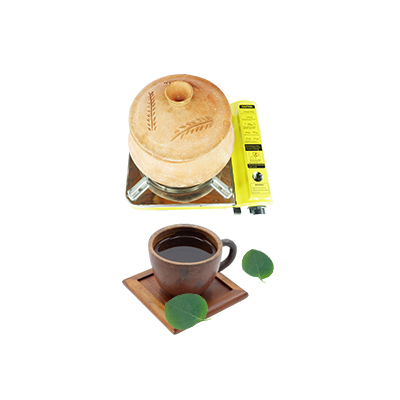
- Prepare an adequate amount of fresh Chinese violet leaves and wash until clean.
- Boil the leaves until it boils.
- Let it cool to warm/cold.
- Strain then drink to reduce fever.
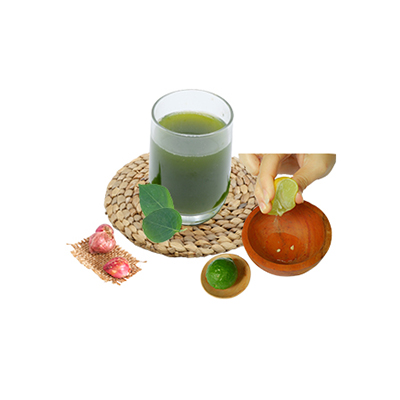
2. Dry cough
- Prepare the Chinese violet plant, combined with lime juice and onion.
- Blend all ingredients until smooth.
- Drink; beneficial for dry cough with an irritated throat and chest discomfort.
Reference Sources
- Royal Botanic Gardens. 2021. Plant of the World Online: Asystasia gangetica (L.) T.Anderson. https://powo.science.kew.org/taxon/urn:lsid:ipni.org:names:45742-1. 22-01-2022.
- Karyati dan Adhi, M.A. 2018. Jenis-jenis Tumbuhan Bawah di Hutan. Pendidikan Fakultas Kehutanan Universitas Mulawarman. Mulawarman University Press. Samarinda.
- Stuartxchange. 2019. Philippine Medicinal Plants: Asistasia. http://www.stuartxchange.org/Asistasia.html. 22-01-2022.
- Flora Fauna Web. 2021. Asystasia gangetica (L.) T. Anderson. https://www.nparks.gov.sg/florafaunaweb/flora/1/7/1703. 22-01-2022.
- CAB International. 2022. Invasive Species Compendium: Asystasia gangetica (chinese violet). https://www.cabi.org/isc/datasheet/7641#tosummaryOfInvasiveness. 22-01-2022.
- Useful Tropical Plants Database. 2021. Asystasia gangetica. http://tropical.theferns.info/viewtropical.php?id=Asystasia+gangetica. 22-01-2022.