Averrhoa carambola L.
Summary
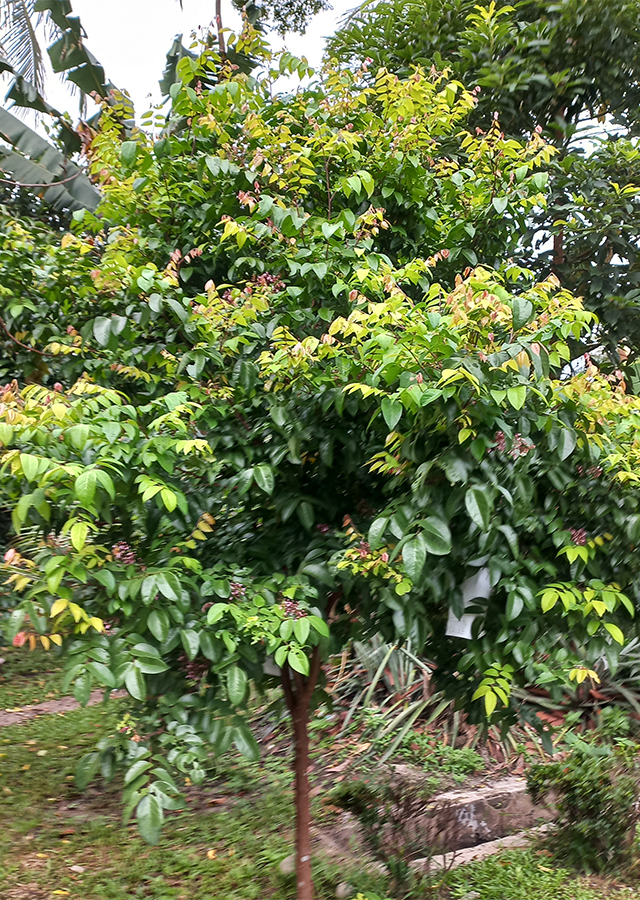
Starfruit (Averrhoa carambola) is a tree up to 3-15 meters tall of the Oxalidaceae family, native to Malaysia, distributed as far as Central Java and Maluku in Indonesia. Its uniquely star-shaped fruit is rich in antioxidant compounds good for skin and hair. Various parts of starfruit are traditionally used in Malaysia, China, Brazil, and India to treat cough, rheumatism, and jaundice.
Agroecology
Starfruit can grow well in lowlands up to elevations of 500 m above sea level. Its growth prefers open places and gets sunlight with an intensity of 45-50%, but is also tolerant of shade and moderate rainfall. Starfruit is suitable for planting in almost all soil types. Prefers fertile, loose soil, rich in organic matter, with good aeration and drainage, with a soil acidity degree (pH) of 5.5-7.5.
Morphology
- Root a taproot.
- Stem woody (lignosus), cylindrical shaped, growing upright, dark brown, thin bark, rough surface. Many branches, branch direction sloping upward and horizontal forming a shady tree.
- Leaves compound, long-stalked, dark green in color, ovate shaped, thin leaf blade, tapering tip (acuminatus), blunt base (obtusus), flat edges, pinnate venation arrangement, no stipules, smooth upper and lower surfaces.
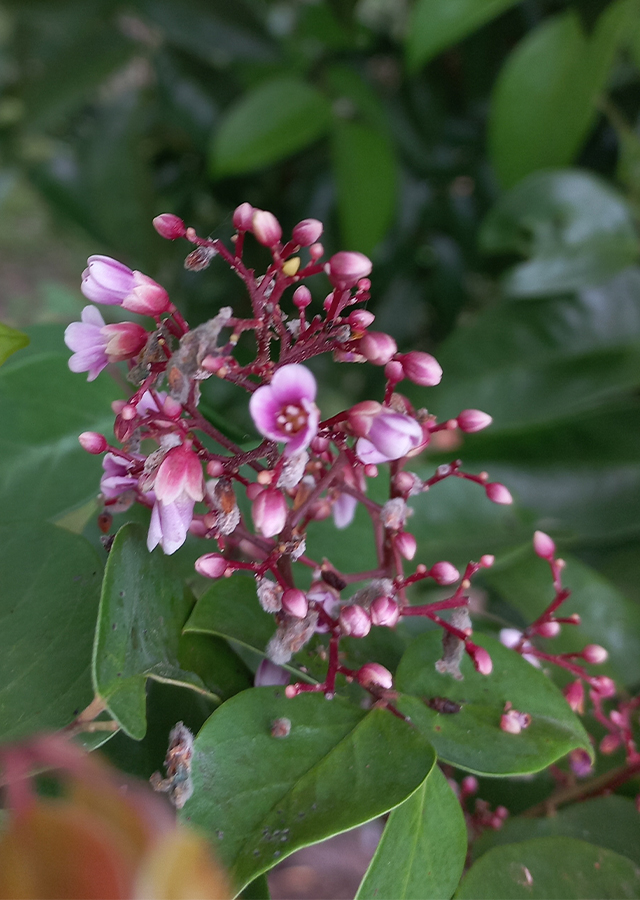
- Flowers compound, star-shaped (stellatus) sepals numbering 5, light purple corolla, corolla length ± 8 mm, fused petals (gamopetalus). Branches and flower buds dark red in color.
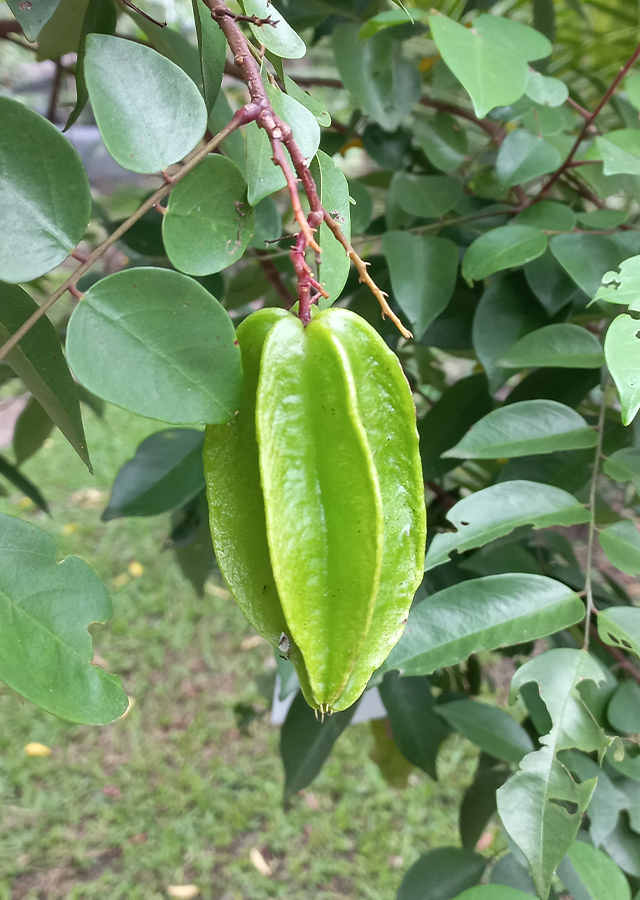
- Fruit 5-lobed resembling a star, 10-12 cm long, fleshy and juicy, sweet-sour taste. Young fruit green turning yellow when mature.
- Seeds flat-shaped, numerous, blackish-brown in color.
Cultivation
- Propagated generatively with seed, but this propagation is not recommended, because it almost always gives offspring different from the parent (genetic segregation). Generative propagation is usually only intended to produce rootstock seedlings (onderstam) later used in vegetative propagation.
- Propagated vegetatively (air layering, budding, approach grafting and grafting).
- Harvest period, generally the first harvest at 3-4 years of age after planting.
Chemical Content
Alkaloid, glycosides, phenol, tannin, flavonoid, saponin, diterpene, amino acids, ascorbic acid, oxalic acid, tartaric acid, gallic acid, citric acid, α-ketoglutaric acid, benzoquinone, proanthocyanidin, flavone C-glycoside, carambolaflavone, two new alkyl phenol diglucosides, carambolaside K and L, four phenylpropanoids, (+)-isolariciresinol 9-O-ß-D-glucoside, (+)-lyoniresinol 9-O-ß-D-glucoside, (-)-lyoniresinol 9-O-ß-D-glucoside, 1-O-feruloyl-ß-D-glucose, 1-O-vanilloyl-ß-D-glucose, tecomin, koaburaside, naphthoquinone, (+)-cryptosporin.
Benefits
Laxative, vermifuge, headache, chickenpox, ringworm, high blood pressure and cholesterol, treats urinary stones, reduces fever, lowers blood sugar levels, relieves cough, rheumatism, treats asthma, colic and jaundice, stops bleeding and relieves hemorrhoid bleeding, has antioxidant activity.
Local Names
Belimbing amis (Sunda), Blimbing legi (Java), Bainang sulapa (Makassar), and Balireng (Bugis).
Traditional Recipes
The following recipes reflect traditional knowledge passed down through generations, not a substitute for professional medical diagnosis or advice. Consult a healthcare provider before use.
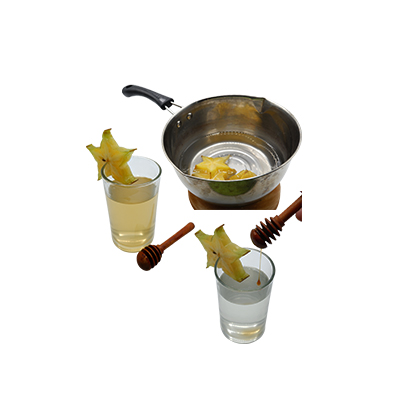
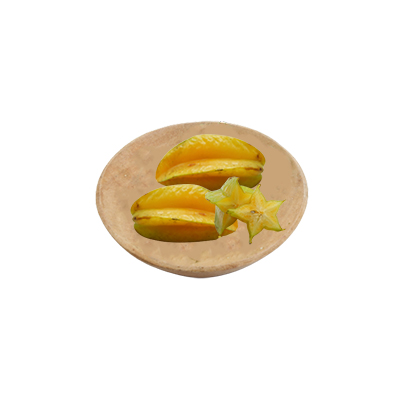
1. Urinary stones
- Cut 3-5 sweet starfruit into pieces.
- Boil until boiling.
- Add honey as needed.
- Then drink.
2. Cholesterol and high blood pressure
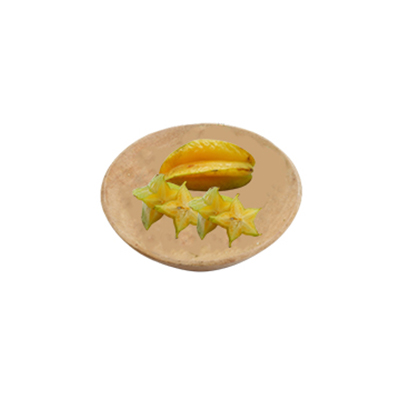
- Eat 2 ripe sweet starfruits.
- Consume morning and evening.
3. Cough
- Cut 1 fresh starfruit into pieces.
- Chew slowly.
- Do this 3-4 times a day or while coughing.
Reference Sources
- Plants of the World Online. 2021. Averrhoa carambola L. http://www.plantsoftheworldonline.org/taxon/urn:lsid:ipni.org:names:371870-1. 23-09-2021.
- Tropical Plants Database. 2021. Averrhoa carambola. https://tropical.theferns.info/viewtropical.php?id=Averrhoa+carambola. 01-09-2021.
- IPBiotics. 2014. Averrhoa carambola L. http://ipbiotics.apps.cs.ipb.ac.id/index.php/tumbuhan/1073. 01-09-2021.
- CAB International. 2021. Averrhoa carambola (carambola). https://www.cabi.org/isc/datasheet/8082. 01-09-2021.
- StuartXchange. 2021. Philippine Medicinal Plants: Balimbing. http://www.stuartxchange.org/Balimbing. 01-09-2021
- Dinas Pertanian D.I Yogyakarta. 2000. TTG BUDIDAYA PERTANIAN: Belimbing. https://distan.jogjaprov.go.id/wp-content/download/buah/belimbing.pdf. 01-09-2021.
- Luan F et al. 2021. Traditional Uses, Phytochemical Constituents and Pharmacological Properties of Averrhoa carambola L.: A Review. Frontiers in Pharmacology. https://doi.org/10.3389/fphar.2021.699899. 01-09-2021.
- Deherba.com. 2021. Buah Belimbing Berkhasiat untuk Kolesterol, Darah Tinggi, hingga Kecantikan. https://www.deherba.com/buah-belimbing.html#. 01-09-2021.