Baccaurea motleyana (Müll.Arg.) Müll.Arg.
Summary
Rambai (Baccaurea motleyana) is a tree up to 5-25 meters tall of the Phyllanthaceae family, growing wild in Southeast Asian gardens, especially in Sumatra and Kalimantan. Its fruit is commonly eaten directly or processed into jam, while its bark extract contains antimicrobial phenolic compounds. Rambai is traditionally believed to lower blood glucose levels and speed up postpartum recovery.
Agroecology
This plant can be found in lowlands up to elevations of 1,000 m above sea level, temperature 18-34°C, annual rainfall ranging between 1,000-4,000 mm/year. Prefers alluvial soil conditions near rivers and positions in full sunlight or bright shade.
Morphology
- Root a taproot.
- Leaves alternate, elliptical to oblong shaped, glossy green on the upper surface and somewhat brownish on the underside, 33 cm long and 5 cm wide.
- Flowers compound, small, fragrant, with a yellow corolla.
- Fruit round, 2-5 cm in diameter, fruit skin somewhat velvety yellow and light brown in color, containing 3-5 seeds wrapped in fruit flesh.
Cultivation
- Propagated generatively (seed) as well as vegetatively (air layering and grafting).
- Seed-origin plants start bearing fruit at 7-8 years of age, while air-layered plants bear fruit at 3-4 years.
Chemical Content
Saponin, tannin, alkaloid, flavonoid, phenolic, terpenes, eugenol, eicosane, isocetane.
Benefits
Lowers blood glucose levels, maintains digestive health, boosts stamina, treats acne and eye inflammation, promotes menstruation, speeds up recovery for women who have just given birth, has antioxidant activity.
Simplisia
- Prepare rambai fruit skin as needed.
- Wash the skin thoroughly with running water.
- Dry the material in the shade for several days until dry.
- Once dry, store in a clean, airtight container or plastic bag.
Local Names
Rambe (South Sumatra), Bendara.
Traditional Recipes
The following recipes reflect traditional knowledge passed down through generations, not a substitute for professional medical diagnosis or advice. Consult a healthcare provider before use.
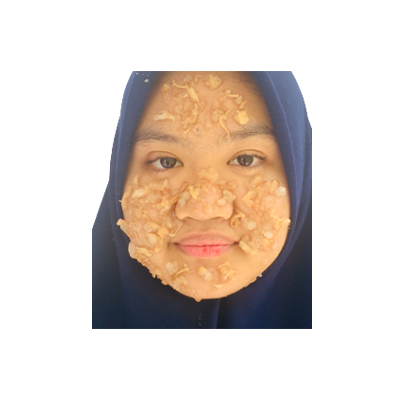
1. Treating acne
- Mash rambai fruit, then apply to the problem skin.
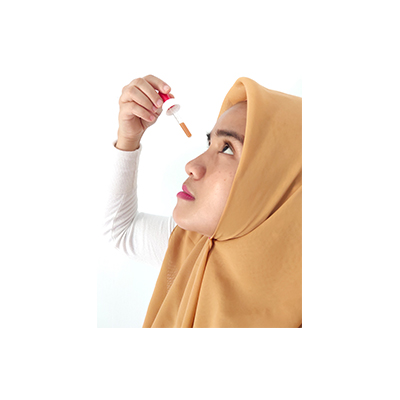
2. Treating eye pain
- Take mature rambai tree bark. Scrape the bark and take the inner bark, clean the bark with running water.
- Put the wood bark in a clean cloth, pound and squeeze out the liquid.
- Drip the squeezed liquid into the eye 3 times a day until recovered.
Reference Sources
IDN Medis. 2020. Rambai: Manfaat – Efek Samping dan Tips Konsumsi. https://idnmedis.com/rambai. 30-10-2020
Erwin, Tonapa Z. G., Alimuddin. 2020. Toxicity Assay of Baccaurea motleyana Mull. Arg. Wood Extracts (Rambai) and Chemical Compounds Evaluation for the Most Active Fraction, https://repository.unmul.ac.id/bitstream/handle/123456789/5249/27_RJPT_13_11_2020.pdf?sequence=1&isAllowed=y,11-03-2021