Baccaurea racemosa (Reinw.) Müll.Arg.
Summary
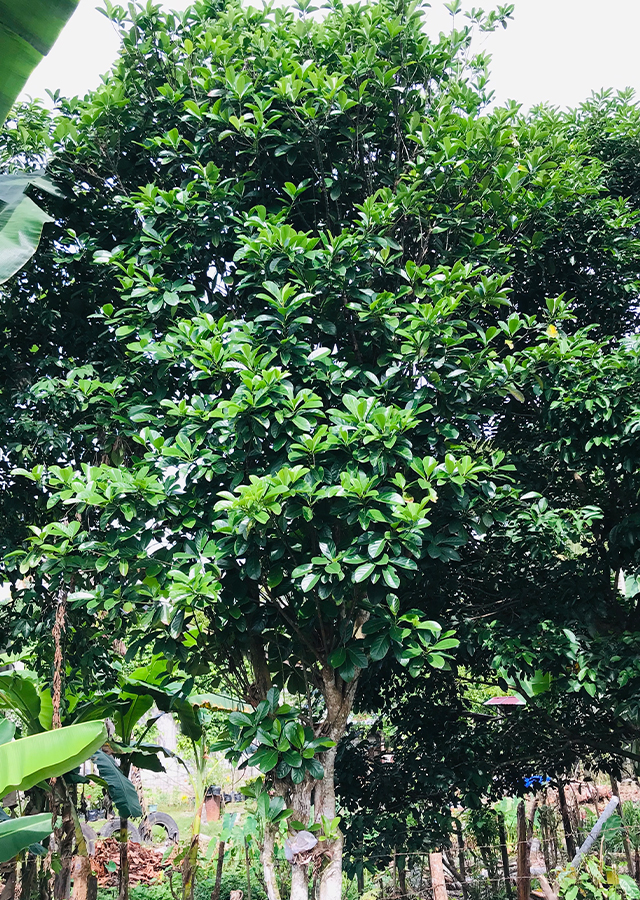
Kepundung (Baccaurea racemosa) is a fruit tree up to 15-30 meters tall of the Phyllanthaceae family, native to Southeast Asia, distributed from Thailand to Maluku, with its native habitat on the island of Java. Its sweet-sour fruit is commonly eaten fresh, while its leaves are traditionally used as medicine. Kepundung is believed to support heart and bone health and help relieve menstrual pain.
Agroecology
Lives in a tropical climate. Grows in lowlands to highlands at elevations of 1,000 m above sea level. Preferred soil types are dry sandy alluvial soil or loamy/clay soil. Ideal temperature 21-28°C with adaptation tolerance of 14-34°C.
Morphology
- Root a taproot, dirty white.
- Stem upright, woody, round, rough, sympodial branching, whitish-brown.
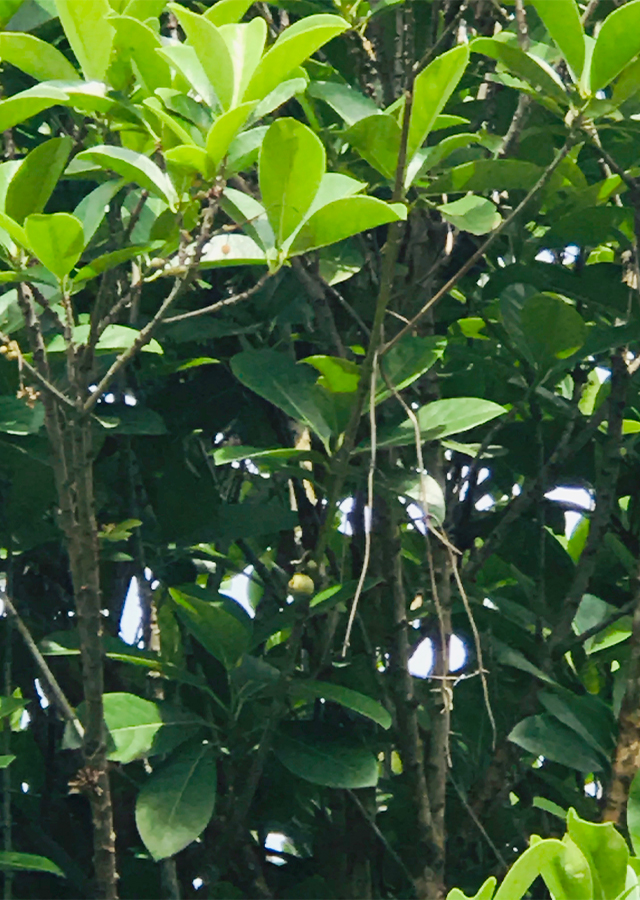
- Leaves single, scattered, oblong, serrated edges, pointed tip, rounded base.
- Flowers compound, unisexual, cup-shaped sepals,
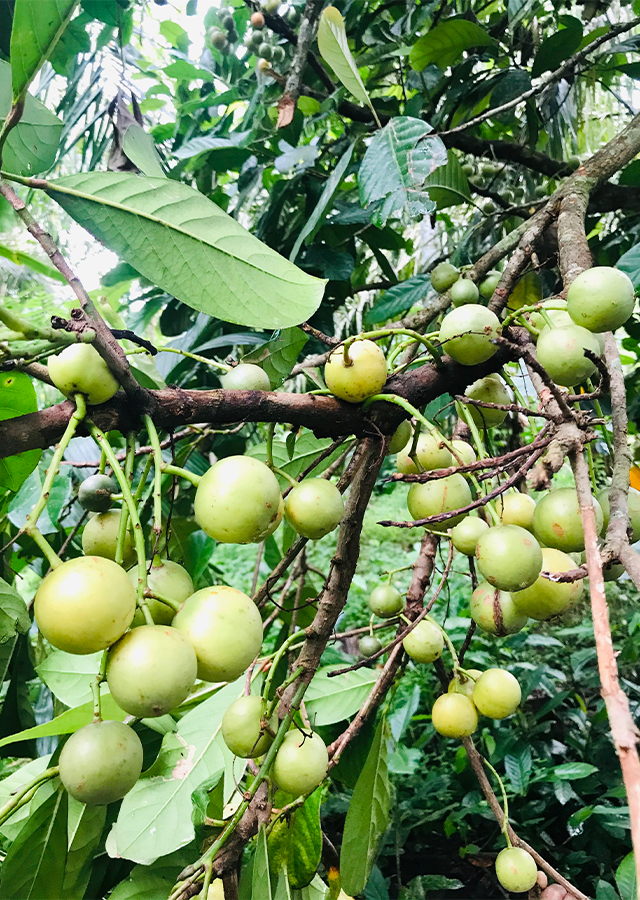
- Fruit a berry, round, ± 2 cm in diameter, green when young turning yellow when mature.
- Seeds round, ± 0.5 cm in diameter, yellowish-white in color.
Cultivation
- Propagated by seed, air layering, and grafting.
- Kepundung will start bearing fruit at 7-8 years of age for seed-origin seedlings, while with air layering only 3-4 years is enough.
Chemical Content
Saponin, flavonoid, tannin, alkaloid, polyphenol, terpenoid.
Benefits
Maintains heart, bone, tooth, eye and skin health, addresses menstrual pain (promotes flow), remedy for diarrhea, has anti-inflammatory activity.
Simplisia
- Collect fresh kepundung leaves. Wash with water thoroughly then drain.
- Air-dry in a shaded place for 3-5 days.
- Once dry, pack the simplisia in a clean, airtight container.
Local Names
Kepundung, Kapundung, Kemundung, Rusip, Kisip (Sumatra), Engkuni, Enkunik, Kayu masam, Longkuno, Moho liok (Kalimantan), Menteng.
Traditional Recipes
The following recipes reflect traditional knowledge passed down through generations, not a substitute for professional medical diagnosis or advice. Consult a healthcare provider before use.
1. Menstrual pain
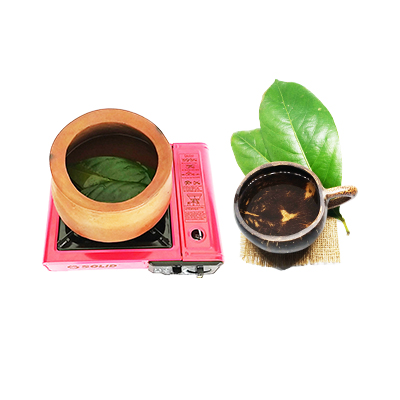
- Prepare 20 g clean kepundung leaves and 2 glasses of water.
- Boil the kepundung leaves for 15 minutes. Strain, let stand until lukewarm.
- Drink twice a day, morning and evening.
Reference Sources
- ITK. Kepundung/Menteng (Baccaurea racemosa (Reinw.)). https://forestryinformation.wordpress.com/2014/04/10/kepundungmenteng-baccaurea-racemosa-reinw/ 01-08-2020.
- Food Research. Baccaurea racemosa (Reinw. ex Blume) Müll. Arg. pulp: a potential natural antioxidant
http//foodresearch.com/Baccaurearacemosa pulp:a potentialnatural antioxidant. 22-02-2021.