Toona sinensis (Juss.) M.Roem.
Summary
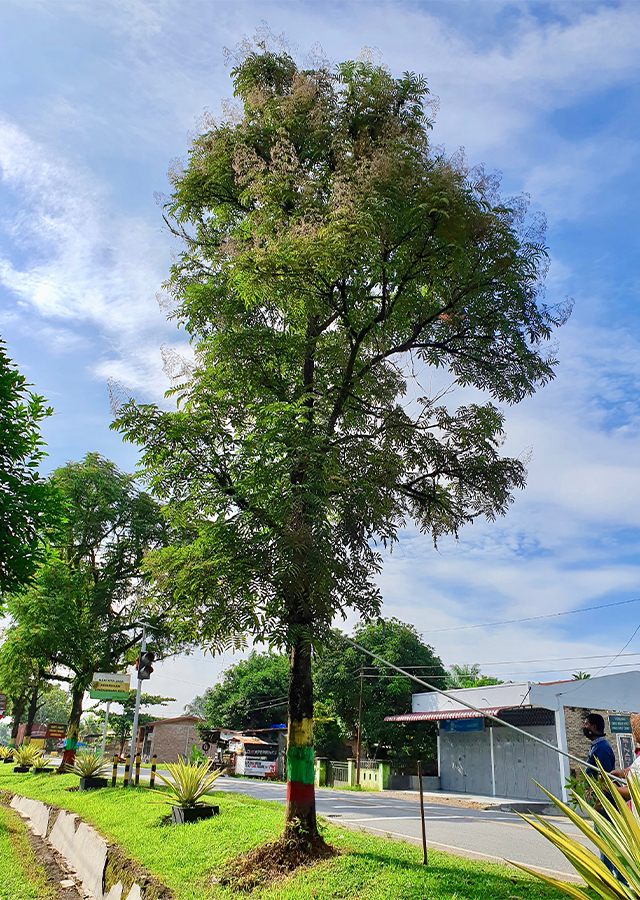
Kayu ingul (Toona sinensis) is a tree up to 40 meters tall of the Meliaceae family, native to Southeast Asia, distributed from Korea to Bhutan and Indonesia. Its distinctive garlic-and-pepper aroma makes its young shoots popular as a vegetable in China. Kayu ingul also holds high economic value as furniture material, besides being believed to have antitumor and antidiabetic properties.
Agroecology
Grows in primary and secondary mountain forests, and sometimes in areas near rivers, at elevations of 100-2,900 m above sea level. Prefers places with direct sunlight, though young plants need shade. Grows well on limestone soil, but prefers clay soil.
Morphology
- Stem bark gray to dark brown in color, inner part pink to red and fibrous.
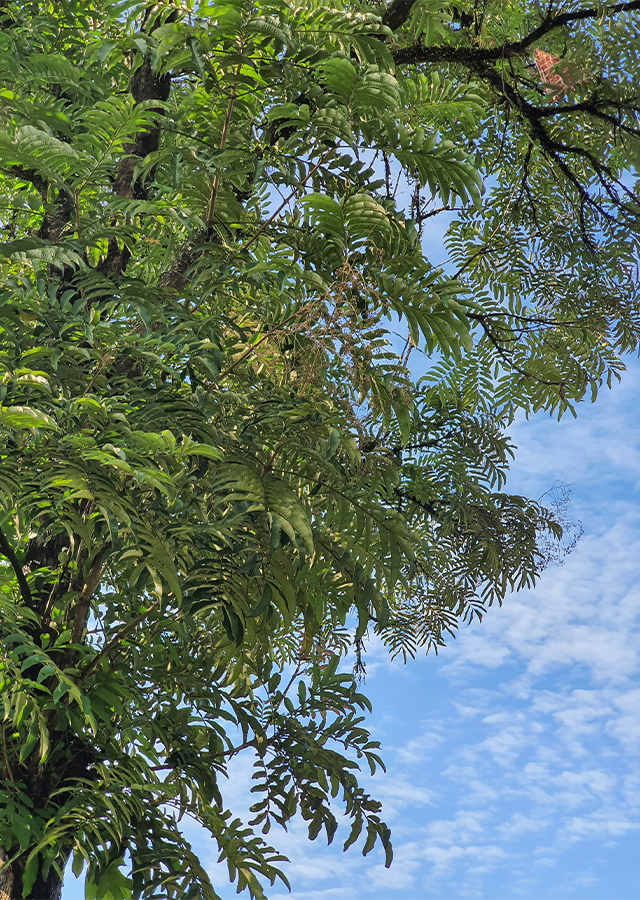
- Leaves compound with 8-20 pairs of leaflets, lance-shaped, and serrated edges.
- Flowers have white or pink petals.
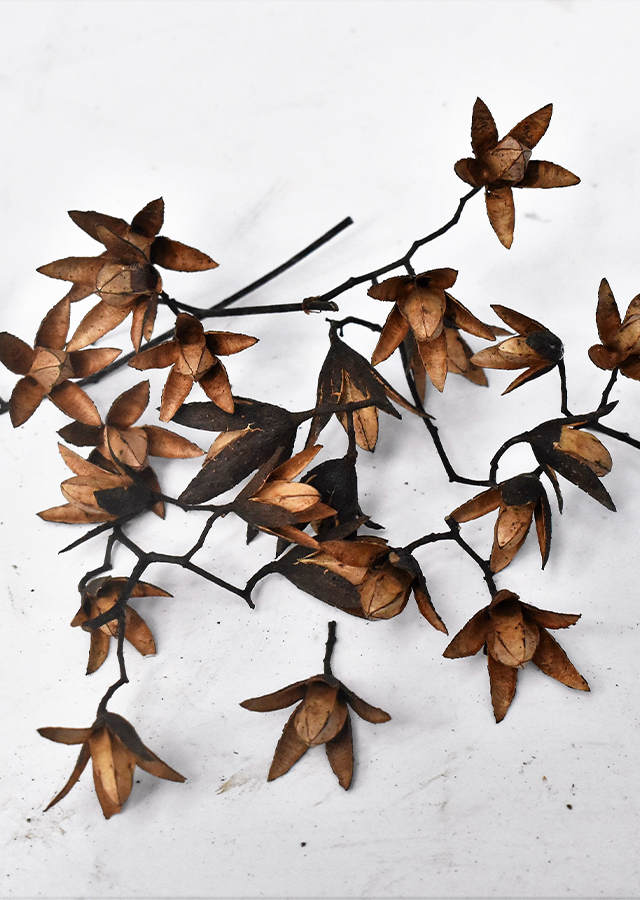
- Fruit a capsule, 2-3.5 cm long, consisting of several chambers containing seeds.
Cultivation
- Propagated generatively (seed) and vegetatively (cuttings and grafting).
- Seed germination is faster under shade. Germination duration 8-15 days.
Chemical Content
Terpenoid, phenylpropanoid, flavonoid, cedrellin, coumarin, phytosterol, tannin, phenol, alkaloid, hollongdione, triterpene, anthraquinone, gallic acid, gallotannins, ursolic acid, betulonic acid, toonins A, proceranone, ocotillone, shoreic acid
Benefits
Has antitumor, antioxidant, antidiabetic activity, cleanses the skin, reduces stomach gas, fever reducer, prevents eye damage, diarrhea, improves sperm quality, vaginal discharge
Simplisia
- Prepare kayu ingul leaves. After that wash with running water, drain.
- Chop the material then dry in an oven at 50°C for 7 days until moisture content reaches 10%.
- The dried simplisia material is stored in an airtight container/plastic bag at room temperature.
Local Names
Ingul batu (Karo), Surian (Kalimantan), Suren sabrang (Java), Kayu nito, Kayu rimau (South Sumatra), Molopaga (Sulawesi), Suren merah.
Traditional Recipes
The following recipes reflect traditional knowledge passed down through generations, not a substitute for professional medical diagnosis or advice. Consult a healthcare provider before use.
1. Improving sperm quality
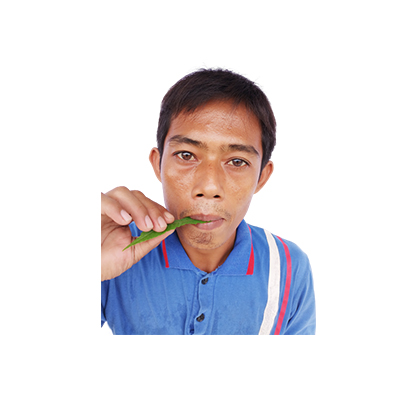
- Prepare ingul leaves as needed.
- Wash the material with running water until clean.
- Consume the leaves as a side dish or vegetable.
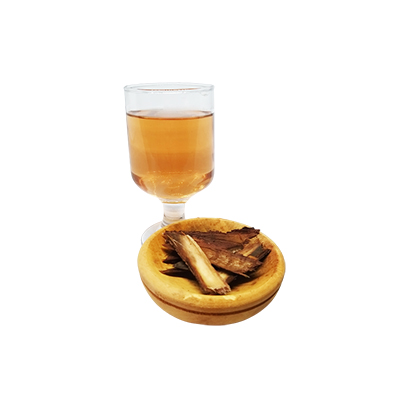
2. Diarrhea, chronic dysentery and bloating
- Prepare several pieces of ingul bark, wash thoroughly.
- Boil with 2 glasses of water until boiling and the water reduces to 1 glass, strain and cool.
- Drink the concoction while warm.
Reference Sources
- Edmonds JM, Staniforth M. 1998. Toona sinensis: Meliaceae. Curtis's Botanical Magazine
- Peng W, Liu Y, Hu M, Zhang M, Yang J, Liang F, Huang Q, Wu C. 2019. Toona sinensis: a comprehensive review on its traditional usages, phytochemisty, pharmacology and toxicology. Rev. Bras. Farmacogn. 29(1): 111-124.
- Xia Q, Wu WC, Tian K, Jia YY, Wu X, Guan Z, Tian XJ. 2015. Effects of different cutting traits on bud emergence and early growth
- https://naturewalk.yale.edu/trees/meliaceae/toona-sinensis/chinese-mahogany-73 30-10-2020
- http://tropical.theferns.info/viewtropical.php?id=Toona%20sinensis 30-10-2020
- http://scielo.br/Toona sinensis: a comprehensive review on its traditional usages, phytochemistry, pharmacology and toxicology. 11-01-2021