Torenia polygonoides Benth.
Summary
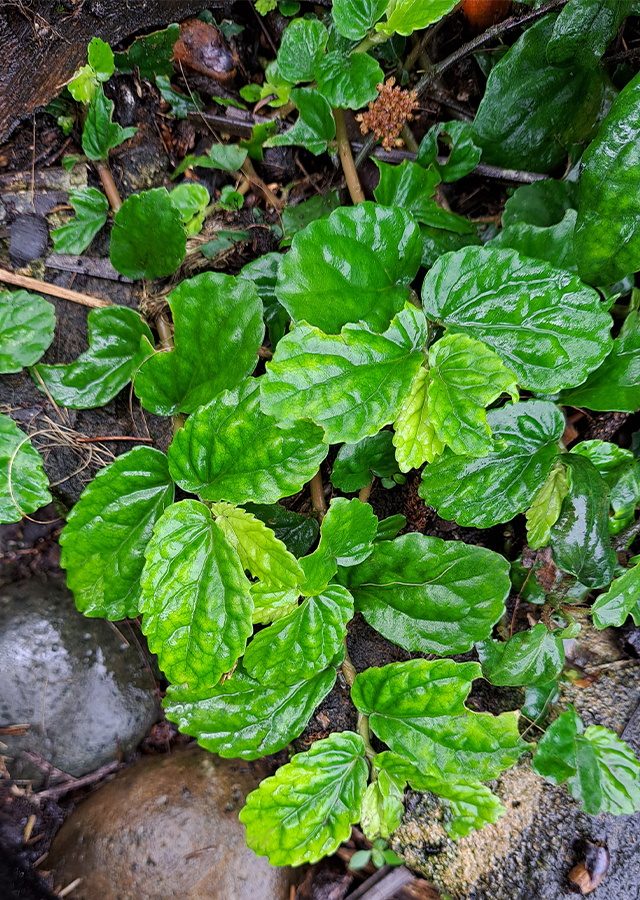
Rumput sisik naga (Torenia polygonoides) is a creeping herb from the Linderniaceae family distributed from Myanmar to Oceania. Its unique, small flower shape means it is sometimes grown as an ornamental. The Kalimantan community traditionally uses rumput sisik naga as a medicinal ingredient to heal wounds.
Agroecology
Rumput sisik naga is generally found growing on footpaths, shaded and moist spots in mountain valleys. This plant is suited to sandy, loamy soils with high organic matter content, moist conditions, and good drainage. It grows well in partial shade or full sun.
Morphology
- Stem has slender branches.
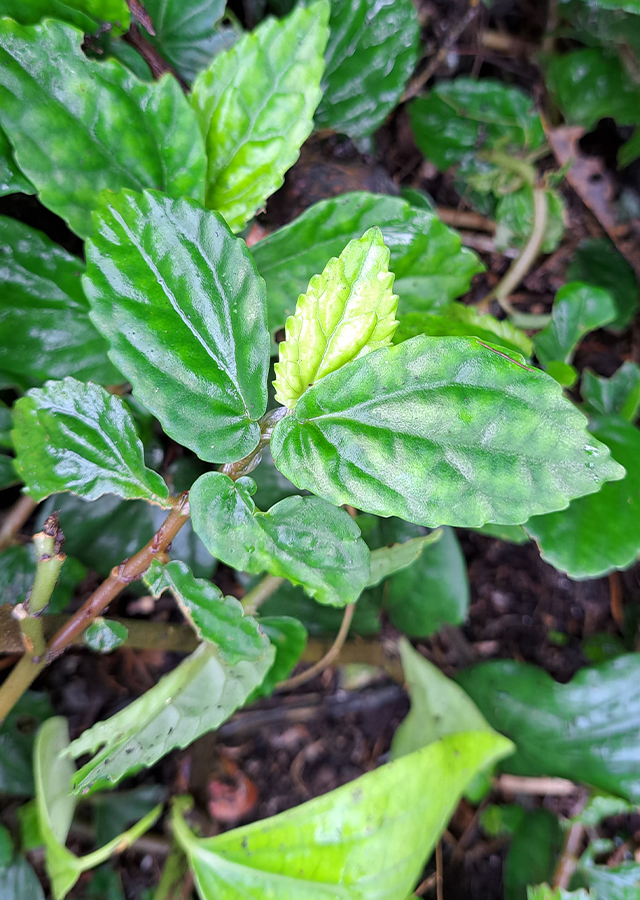
- Leaves arranged oppositely, oval-elliptic or ovate-rhomboid shaped, 1-2 cm in size, hairless, margins crenate to serrate, green.
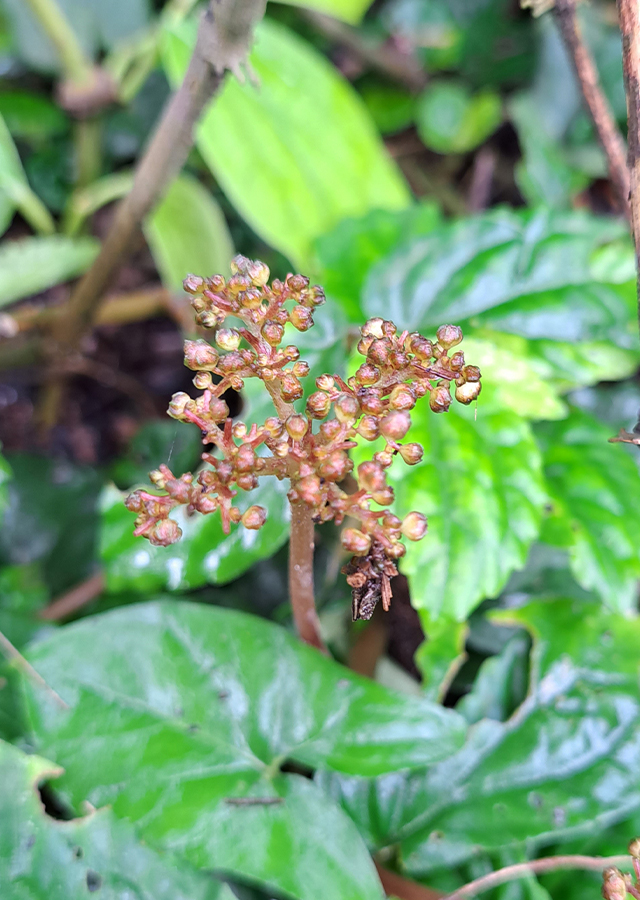
- Flowers corolla with a lower lip 3-lobed, white with a yellow center, while the upper lip is flat and red, lobe apex blunt. Calyx oblong to suborbicular, with 3 broad wings, wing width up to 4 mm, apex with 3 small sharp teeth. Anthers yellow. Inflorescence consisting of 1-4 flowers.
- Fruit a capsule, oblong-ovate shaped.
Cultivation
Propagation is done vegetatively with stem cuttings.
Chemical Content
Information not found. Further research is needed.
Benefits
Treats wounds, boils, urinary tract problems, and joint pain.
Local Names
Rumput riman (Kalimantan).
Traditional Recipes
The following recipes reflect traditional knowledge passed down through generations, not a substitute for professional medical diagnosis or advice. Consult a healthcare provider before use.
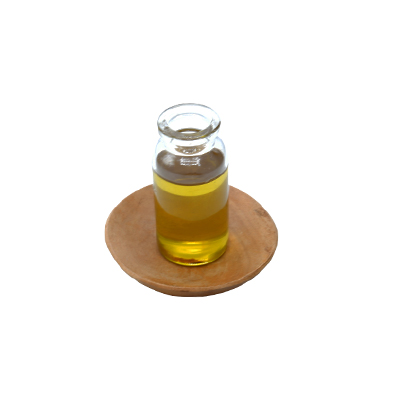
1. Karo oil
- Prepare the ingredients: 50 g pirawas, 50 g rumput sisik naga, 40 g lompat pitu, and 100 other types of plant ingredients, 6 L packaged coconut oil/palm oil, 1 tbsp salt.
- Wash all ingredients clean, then divide the ingredients into several groups (leaf ingredients, dry ingredients, and citrus group).
- Ingredients in the form of leaves, onions, ginger, and citrus are all sliced but kept separate.
- Add the ingredients and stir until it boils and becomes fragrant, finally add the salt.
- Once cooked, the oil can be removed and strained.
Reference Sources
- Royal Botanic Gardens. 2021. Torenia polygonoides Benth.http://www.plantsoftheworldonline.org/taxon/urn:lsid:ipni.org:names:810460-1. 16-11-2021.
- Flora Fauna Web. 2021. Legazpia polygonoides Benth. (Yamazaki) https://www.nparks.gov.sg/florafaunaweb/flora/2/5/2518. 16-11-2021.
- eFlora. Flora of China: Legazpia polygonoides (Bentham) T. Yamazaki. http://www.efloras.org/florataxon.aspx?flora_id=2&taxon_id=200020691. 16-11-2021.
- UFOREST.ORG. 2021. Legazpia polygonoides (Benth.) T. Yamaz. https://uforest.org/Species/L/Legazpia_polygonoides.php. 16-11-2021.