Trigastrotheca pentaphylla (L.) Thulin
Summary
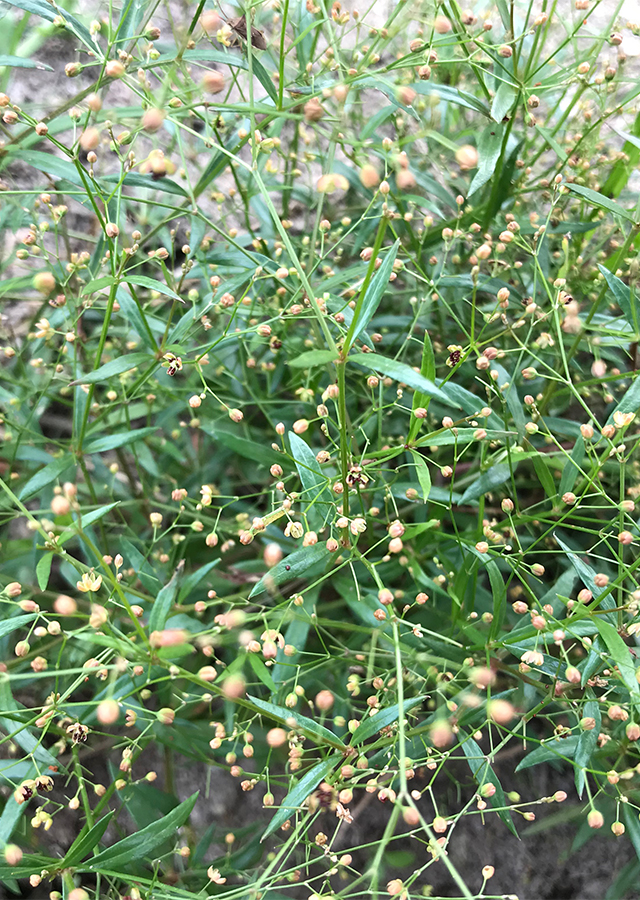
Titiran (Trigastrotheca pentaphylla) is an upright, creeping herb up to 35 cm tall of the Molluginaceae family, distributed from Southeast Asia to Japan. In China, it is made into an appetite-boosting soup, while in Thailand the whole plant is used as a fever reducer. In the Solomon Islands, titiran is even burned as a traditional mosquito repellent.
Agroecology
Grows at low to moderate elevations, semi-dry tropical regions. Often found in shaded moist areas such as gardens, roadsides and in the middle of forests.
Morphology
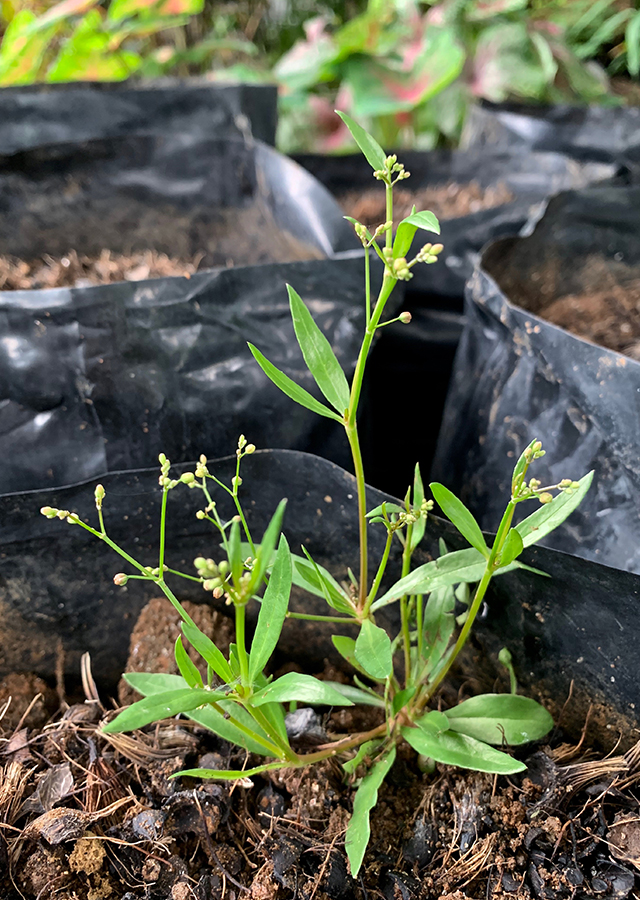
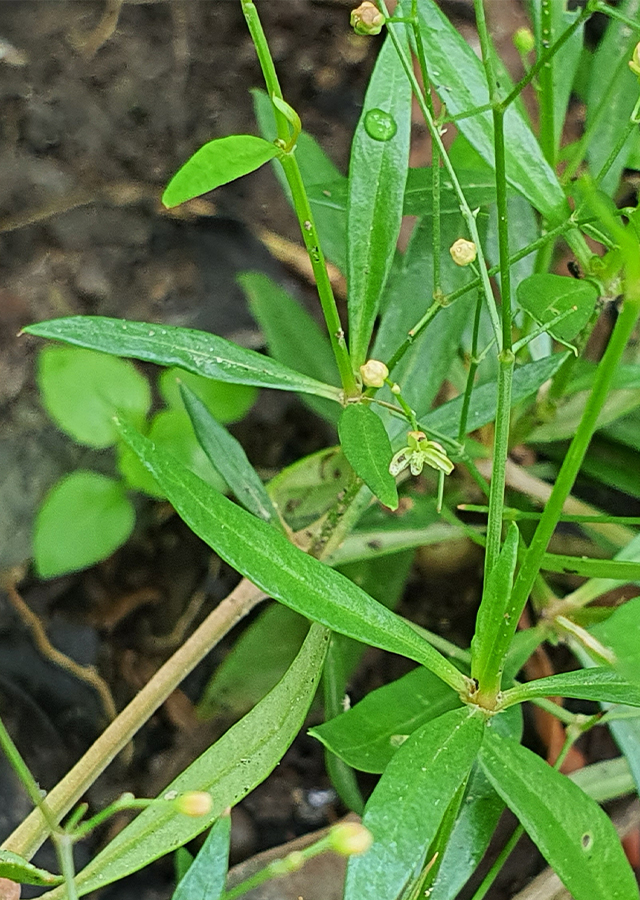
- Stem upright and freely branching from the root with a length of 2-35 cm, smooth surface, mature stem reddish-brown in color.
- Leaves have a petiole, contain much water, smooth surface, oblong-shaped, tapering tip.
- Flowers compound, growing in leaf axils or stem tips, flower stalk 7-8 mm, small in size, odorless and 2.5 mm in size, 1.5 mm wide.
- Fruit oblong-shaped, three-sided, 2.5 mm long, 1.8 mm wide.
- Seeds black in color, glossy surface.
Cultivation
- Propagated through seed dispersed by water so this plant grows wild.
- Flowers in July-October.
Chemical Content
Polyphenol, carotene, ascorbic acid, alkaloid, tannin, flavonoid (apigenin, mollupentin), mollugogenol A, mollugogenol B, triterpenoid, oleanolic acid, steroid β-sitosterol.
Benefits
Treats mouth infections, leg pain, stomach ache, foot pain, eye infections, promotes urination, anticancer, antidote, improves liver function, antifungal, remedy for skin allergies, diabetes, pain reliever, eases earache, treats wounds.
Simplisia
- Wash the whole plant thoroughly, separate the root.
- Cut into 10 cm lengths, dry in a drying cabinet.
- Grind the dried root with a blender into powder.
- Store in an airtight container.
Local Names
Rumput titiran, Galingsa, Rumput merah mata.
Traditional Recipes
The following recipes reflect traditional knowledge passed down through generations, not a substitute for professional medical diagnosis or advice. Consult a healthcare provider before use.
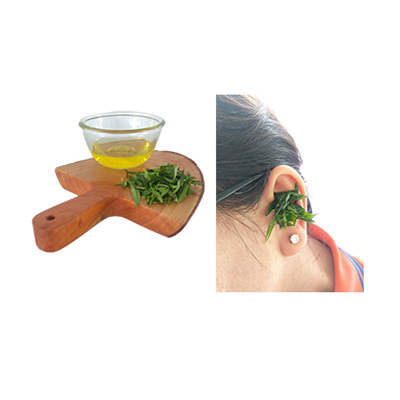
1. Easing earache
- Prepare a handful of young titiran leaves. Coat with oil.
- Warm the leaves, apply to the aching ear.
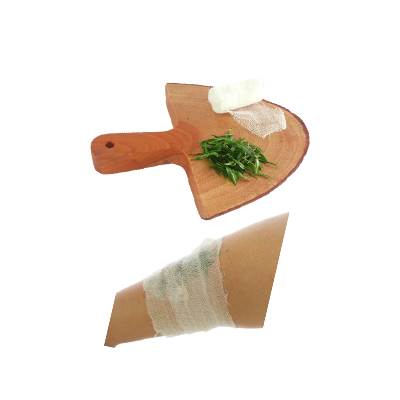
2. Treating wounds
- Collect fresh, healthy titiran leaves.
- Grind into a paste.
- Apply to the wound and bandage with a clean cloth.