Turnera subulata Sm.
Summary
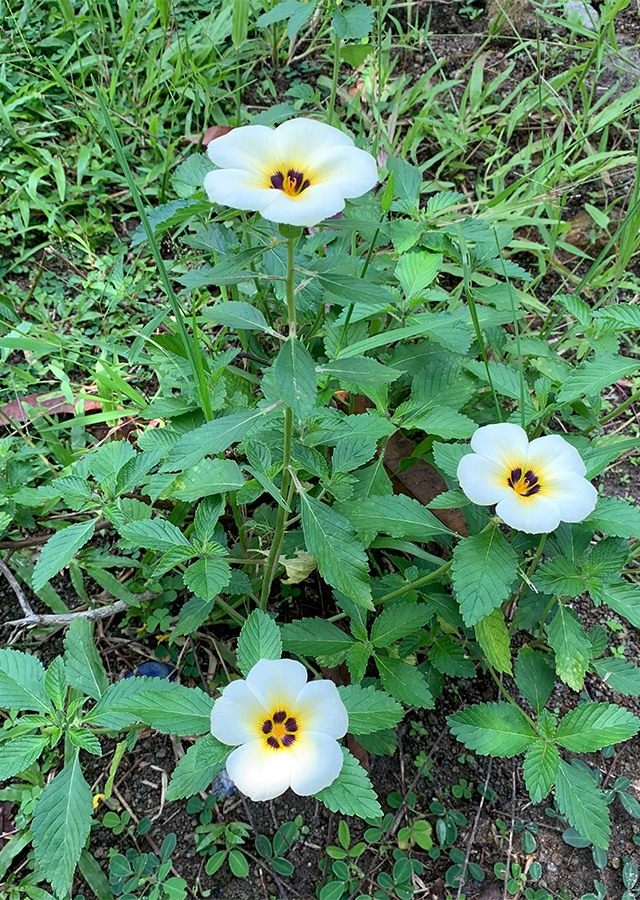
Turnera subulata or white buttercup (pukul delapan putih) is native to the West Indies, Brazil, and Central America, and is now widely found in Java, Sumatra, and Kalimantan as both an ornamental and border plant. On plantations, this plant is often grown as a natural pest controller because it attracts predatory insects such as Sycanus, which preys on fire caterpillars destructive to oil palms. Communities in northeastern Brazil traditionally use it to treat amenorrhea and dysmenorrhea, besides its efficacy as a blood-circulation tonic.
Agroecology
T. subulata is found growing wild in abandoned land, fields, cemetery land, waterway edges, and generally grows in groups. Most easily found in dry sandy soil areas at elevations of 10-250 m asl, in places exposed to direct sunlight or slightly sheltered. However, this species must get full sun to bloom perfectly. White buttercup can grow in various types of soil.
Morphology
- Roots a strong, solid taproot, dirty white.
- Stem upright, cylindrical, woody, smooth, brownish green.
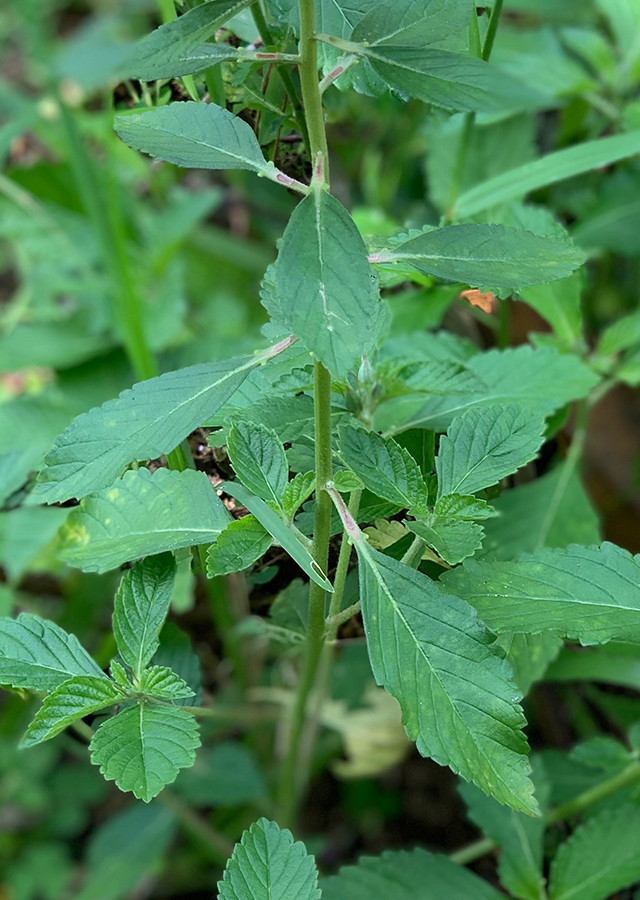
- Leaves unifoliate, green, lanceolate shaped, margin toothed, tip acuminate, base rounded or obtuse, spiral arrangement, petiolate. There is a pair of round, greenish to yellowish glands at the base of the leaf blade on both sides of the petiole. Venation pinnate, slightly raised between veins. Leaf surface covered with short white hairs. Leaf size smaller than that of Turnera ulmifolia leaves.
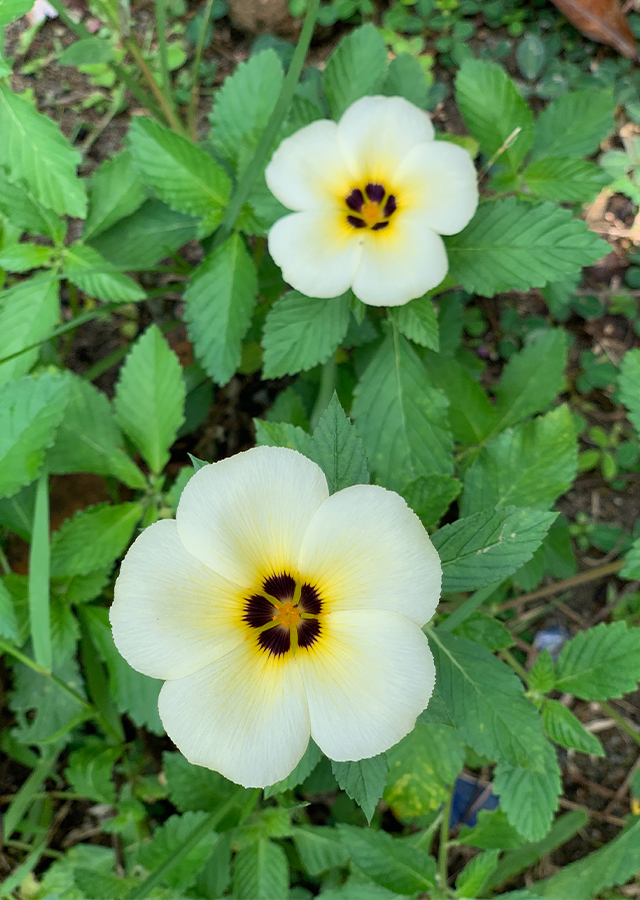
- Flowers bisexual, large, dark-eyed, consisting of 5 oblong or obovate petals, cream-white with yellow coloring around the center of the flower, which is black or dark brown, the petals also slightly hairy. There are 2 flower forms, namely thrum flowers where the stamens (male, pollen-producing part) are higher than the style (female, egg-producing part) and pin flowers where the stamens are shorter than the style. The flower cannot self-pollinate, requiring pollen from other flowers to produce seed. The flower blooms around 8 a.m. and wilts around 12 noon. Its flowers appear in the upper leaf axils.
- Fruit broadly ovate shaped, with more than 30 seeds.
Cultivation
Plant propagation through seed, cuttings, and clump division.
Chemical Content
Saponins, polyphenols, flavonoids, kaempferol, steroids, pheophytin, limonene, cineole, terpinene, phenolics, terpenoids, benzenoids, alkaloids.
Benefits
Efficacious as a tonic and to improve blood circulation, treats boils, joint rheumatism with swelling, bruise-related swelling, relieves sore throat, relieves stress, addresses digestive disorders (such as bloating, loss of appetite), weakness after recovering from serious illness, diabetes, hypertension, chronic pain, amenorrhea (absence of menstruation), dysmenorrhea (menstrual pain), treats tumors, influenza, wounds, gastrointestinal and respiratory diseases. Has anti-inflammatory, antibacterial, antibiotic, and antioxidant properties.
Simplisia
- Prepare an adequate amount of fresh white buttercup leaves, wash clean with running water then drain.
- Dry under the sun or with an oven at 40°C until the moisture content reaches 10%.
- Store in a clean, airtight container.
Local Names
Lidah kucing (Jawa), Sidagori.
Traditional Recipes
The following recipes reflect traditional knowledge passed down through generations, not a substitute for professional medical diagnosis or advice. Consult a healthcare provider before use.
1. Improves blood circulation
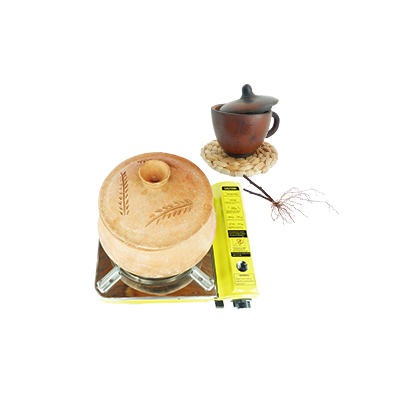
- Take fresh white buttercup root and wash until clean.
- Boil with 3 glasses of water until only one glass of water remains.
- After it cools, strain, then drink twice a day, half a glass each time.
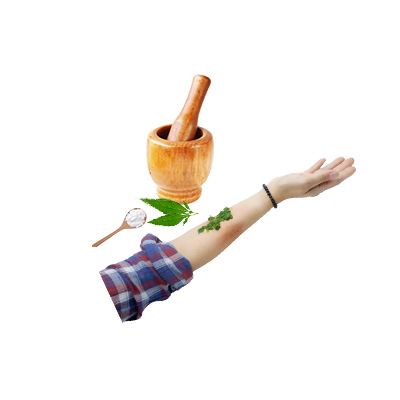
2. Treats swelling and bruises
- Prepare an adequate amount of fresh white buttercup leaves and wash until clean.
- Pound and add an adequate amount of slaked lime then mix evenly.
- Apply to the swollen body part.
Reference Sources
- Royal Botanic Gardens, Kew. Plants of the World Online: Turnera subulata Sm.. https://powo.science.kew.org/taxon/urn:lsid:ipni.org:names:836689-1. 10-01-2023.
- Flora Fauna Web. 2022. Turnera subulata. https://www.nparks.gov.sg/florafaunaweb/flora/2/5/2534. 10-01-2023.
- IDN Medis. 2023. Turnera Subulata: Manfaat – Efek Samping Dan Tips Penggunaan. https://idnmedis.com/turnera-subulata. 10-01-2023.
- Planter and Forester. 2017. Tanaman Hias Berbunga Indah, Bunga Pukul Delapan - Turnera subulata. https://www.planterandforester.com/2017/02/bunga-pukul-delapan-turnera-subulata.html?m=1. 10-01-2023.
- Saravanan M. et al. 2018. Phytochemical and pharmacological profiling of Turnera subulata Sm., a vital medicinal herb. Industrial Crops and Product Vol 124 : 822-833. https://www.sciencedirect.com/science/article/abs/pii/S0926669018307647. 10-01-2023.
- Flowers of India. White Alder. http://www.flowersofindia.net/catalog/slides/White%20Alder.html. 10-01-2023.
- Greeners.co. 2016. Bunga Pukul Delapan, Liar Namun Berkhasiat. https://www.greeners.co/flora-fauna/bunga-pukul-delapan-liar-namun-berkhasiat/. 10-01-2023.