Typha angustifolia L.
Summary
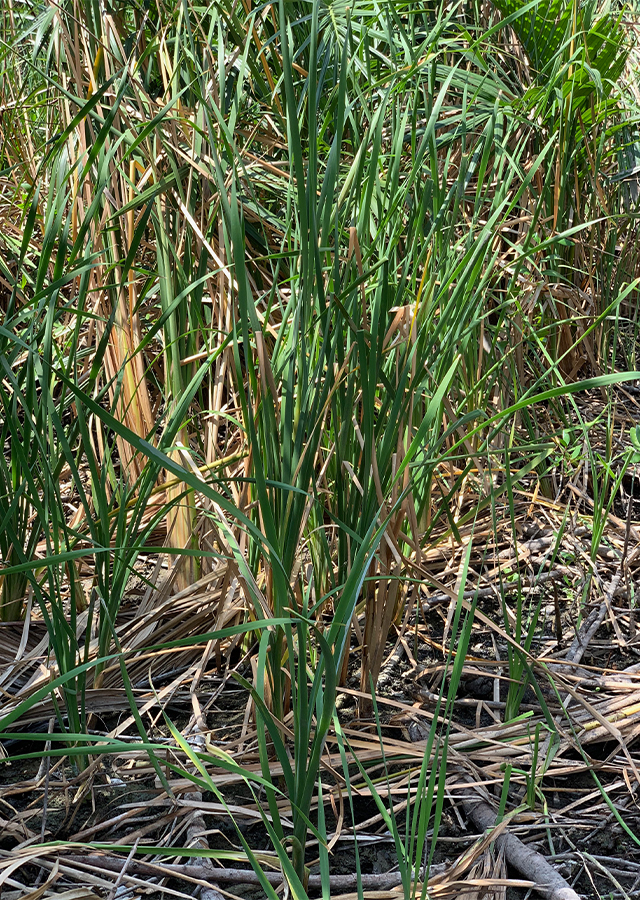
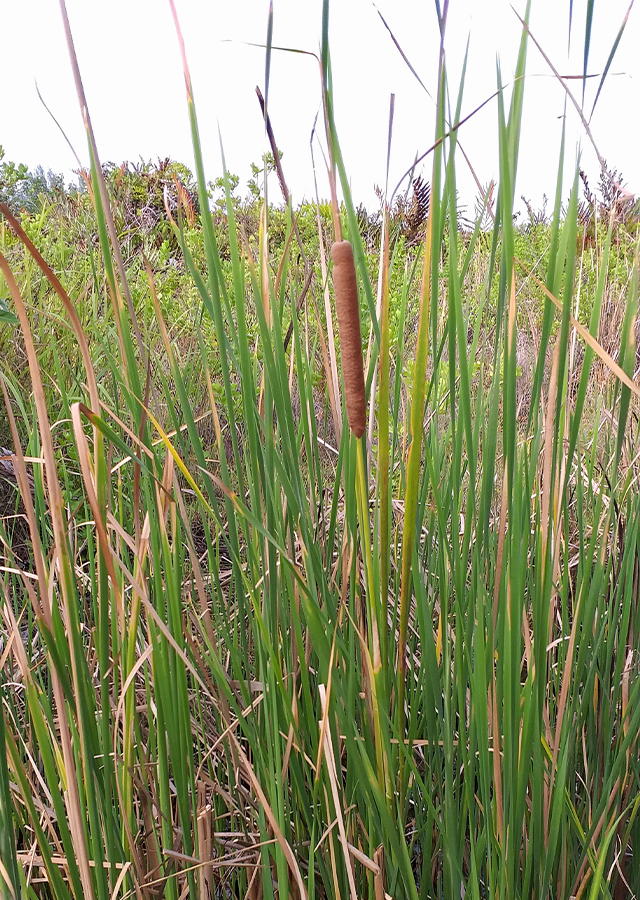
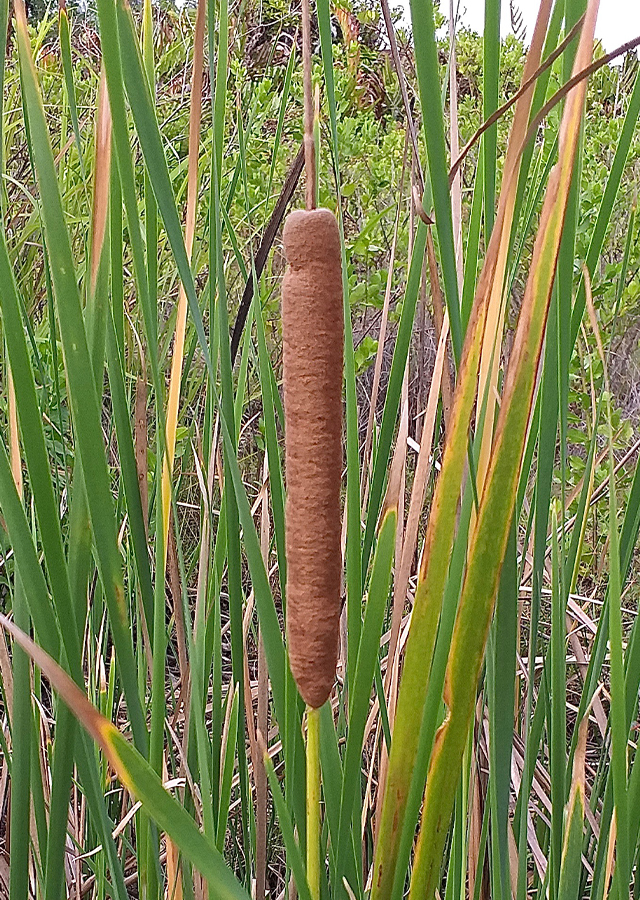
Lembang, or narrow-leaf cattail (Typha angustifolia), is an aquatic plant 1.5-3 meters tall of the Typhaceae family, native to Canada, North America, and known to Indonesian communities as the "torch tree" because its torch-like flower spike sheds like cotton when mature. Its stalk is commonly woven into mats, baskets, and even motorcycle seat padding. Traditionally, lembang is also believed to address kidney stones and abnormal uterine bleeding.
Agroecology
Lembang grows in lowland marshes, brackish waters, and mountain swamps up to an elevation of 1,725 m above sea level. Grows well in full sun, wet conditions, and muddy soil.
Morphology
- Roots rhizomatous. 70 cm long, 2 cm in diameter.
- Stem rounded.
- Leaves line-shaped, somewhat tapering, 8-22 x 6-16 mm.
- Flowers cigar-shaped; male flowers clustered at the tip along 15–30 cm, female flowers clustered and shorter. Among the flowers are long, wool-like hairs.
Cultivation
- This plant develops in 2 ways: sexually (by seed propagation) and asexually (using the rhizome at the base).
- Its seeds are dispersed by wind, making it easy to form new clumps.
Chemical Content
Protein, flavonoids, alkaloids, tannins, saponins, phenol, monoterpenes, sesquiterpenes, triterpenoids, sterols, nonacosanol, lupeol acetate.
Benefits
Treats kidney stones; reduces abnormal uterine bleeding; treats menstrual pain; relieves postpartum pain, abscesses, cancer of the lymphatic system; treats wounds and burns.
Simplisia
- Select non-rotten roots. Remove any adhering debris. Wash the roots under clean running water. Drain.
- Sun-dry, covering the roots with a dark cloth to avoid direct sun exposure.
- Dry-sort to remove unwanted foreign material.
- Store the dried material in a container/plastic bag, at room temperature, well-ventilated, away from direct sunlight, not in direct contact with the floor.
- Pound, grind, and sift into a flour.
Local Names
Bak beunot (Aceh), Pohon obor.
Traditional Recipes
The following recipes reflect traditional knowledge passed down through generations, not a substitute for professional medical diagnosis or advice. Consult a healthcare provider before use.
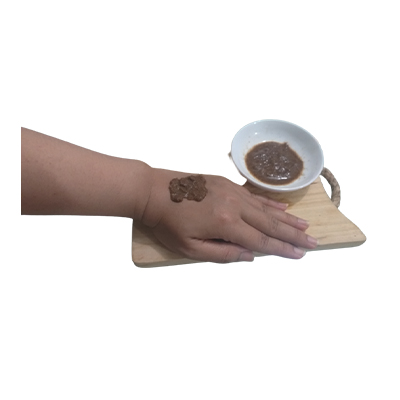
1. Wounds and Burns
- Clean the root, dry it, then grind into a powder.
- Mix the ground root with a little water.
- Apply to the wound or burn for a while.
Reference Sources
- https://herbpathy.com/Uses-and-Benefits-of-Typha-Angustifolia-Cid1406 akses 20-09- 2020 (Luka dan Luka Bakar)