Viola tricolor L.
Summary
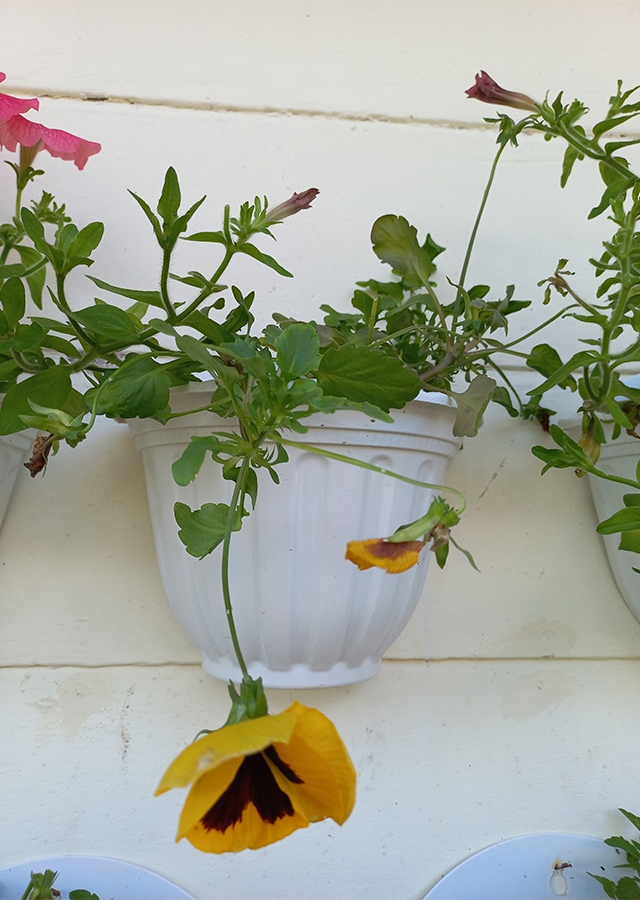
Pansy (Viola tricolor) is an annual or short-lived perennial herb 10-40 cm tall from the Violaceae family distributed from Scandinavia to the Caucasus. Its young leaves and flower buds can be eaten raw or cooked, while its flowers produce natural yellow, green, and blue-green dyes. Pansy has a long history of treating epilepsy and skin diseases, now regarded as a purifying remedy in modern herbal medicine.
Agroecology
Viola tricolor can grow well at elevations ranging from 0 to 2,700 m asl. It is usually found in short grassland in farmland as well as wasteland on acidic and neutral soil. This species usually prefers partial shade and shelter from wind, but also succeeds growing in unshaded locations, and prefers humus-rich, moist, well-drained soil. This species can also tolerate sandstone and limestone soil and prefers a soil pH between 6 and 6.5, but becomes chlorotic if the pH is too high.
Morphology
- Roots a rhizome type with fine roots.
- Stem upright or somewhat upright, light green to purplish green, hairless, angular, not hairy, sometimes finely hairy and branched.
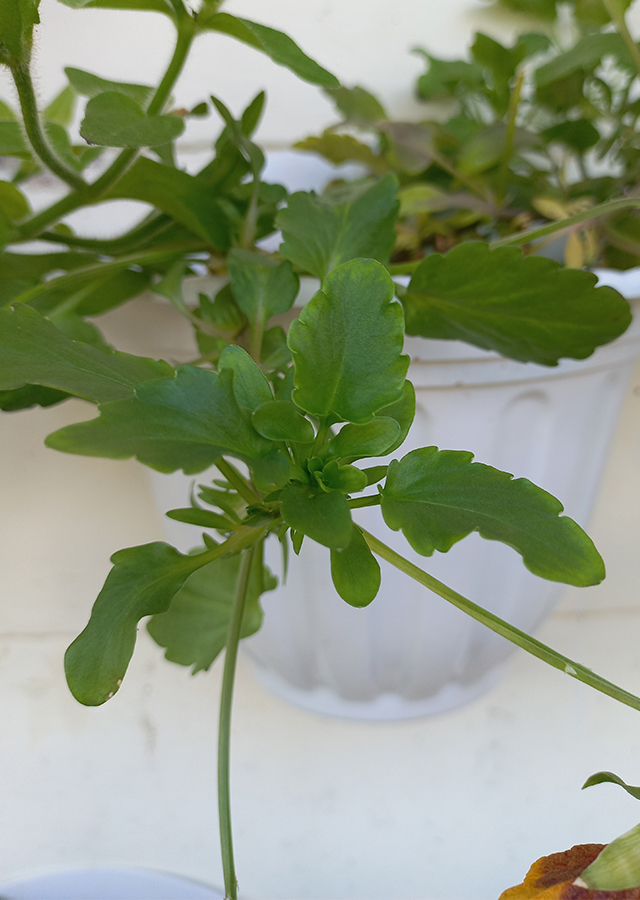
- Leaves short-stalked, alternate, green, ovate-lanceolate shaped, margins crenate-dentate-serrate, hairless. No leaf rosette at the base.
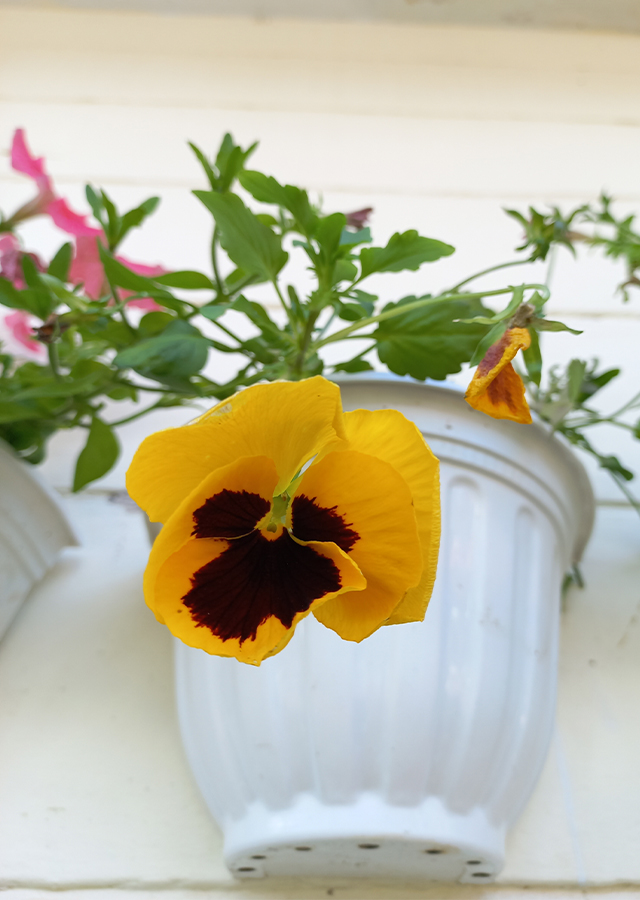
- Flowers hermaphrodite, solitary. Corolla varies in color from white, yellow to purple and blue, but is often found in two colors, namely yellow and purple, petals number five and are longer than the sepals. Has 5 sepals and 5 stamens. Flowers positioned laterally, solitary on a long, nodding stalk.
- Fruit a capsule, elastically 3-valved, ellipsoid-oblong.
- Seeds ovate shaped, glossy, brown in color.
Cultivation
- Propagation is done generatively using seed.
- Pollination and dispersal are assisted by bees.
Chemical Content
Essential oil (sesquiterpenes, aliphatics, shikimic acid derivatives, and monoterpenes), terpenoids, phenolic compounds, flavonoids (rutin, violanthin, scoparin, saponaretin, orientin, vicenin, and anthocyanidin glycosides), saponins, tannins, salicylic acid and its derivatives (methyl ester and violutoside), phenolic carboxylic acids (trans-caffeic acid, protocatechuic acid, and p-coumaric acid), coumarins, umbelliferone, ascorbic acid, polyphenols, and tocopherol.
Benefits
Treats epilepsy, asthma, skin diseases (such as eczema, acne, skin eruptions), various respiratory ailments (such as bronchitis, asthma, whooping cough, cold symptoms), rheumatism, cystitis (bladder inflammation), pneumonia, bedwetting, relieves constipation, difficulty urinating, reduces swelling, improves blood circulation beneficial for heart health. This plant is anodyne, antiasthmatic, anti-inflammatory, demulcent, depurative, diaphoretic, diuretic, emollient, expectorant, laxative, and vulnerary.
Simplisia
- Prepare fresh pansy leaves and wash until clean with running water then drain.
- Sun-dry directly for several days or use an oven at 40°C until the moisture content reaches 10%.
- Grind using a blender until it becomes powder.
- Store the simplicia in a clean, airtight plastic or container.
Local Names
Informasi tidak ditemukan. Butuh penelusuran lebih lanjut.
Traditional Recipes
The following recipes reflect traditional knowledge passed down through generations, not a substitute for professional medical diagnosis or advice. Consult a healthcare provider before use.
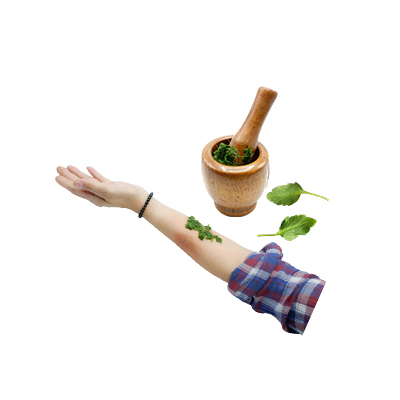
1. Eczema
- Prepare an adequate amount of fresh pansy leaves and wash until clean.
- Grind until it becomes a paste.
- Apply the paste to the skin.
Reference Sources
- Royal Botanic Gardens. 2021. Plant of the World Online: Viola tricolor L. https://powo.science.kew.org/taxon/urn:lsid:ipni.org:names:869428-1. 26-11-2021.
- Useful Temperate Plants Database. 2021. Viola tricolor. http://temperate.theferns.info/plant/Viola+tricolor. 26-11-2021.
- Health benefits times. 2021. Health Benefits of Wild pansy. https://www.healthbenefitstimes.com/wild-pansy/. 26-11-2021.
- Chandra D., Kohli G., Prasad K., Bisht G., Punetha V. D., Khetwal K.S., Devrani M. K., Pandey H.K. 2015. Phytochemical and Ethnomedicinal Uses of Family Violaceae. Current Research in Chemistry, 7: 44-52.
- Piana M. et al. 2012. Analysis of Rutin in the Extract and Gel of Viola tricolor. Journal of Chromatographic Science, 51: 406–411. doi:10.1093/chromsci/bms155.