Wurfbainia compacta (Sol. ex Maton) Skornick. & A.D.Poulsen
Summary
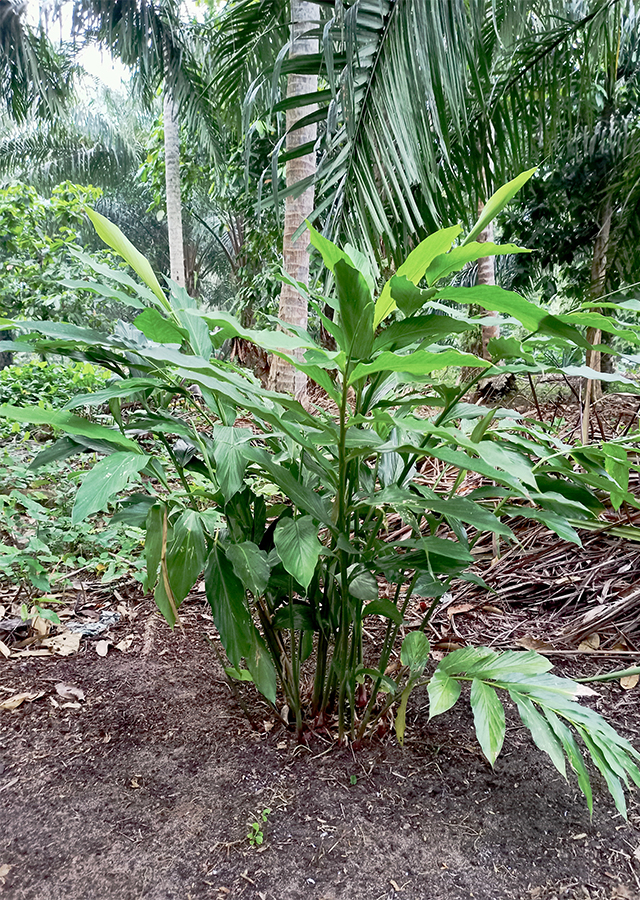
Cardamom (Wurfbainia compacta) is a herb 2-3 meters tall of the Zingiberaceae family, introduced to Europe by Arab traders as a spice, and also found in Thailand, Cambodia, and the Philippines. In Indonesia, this plant is cultivated in the highlands of West and Central Java as a cooking spice as well as a family remedy. Its seeds are traditionally used to relieve cough, sore throat, and rheumatic pain.
Agroecology
Cardamom grows in humid, fertile soil at elevations up to 1,200 m above sea level, favoring a warm climate with adequate water supply and partial shade beneath forest canopy.
Morphology
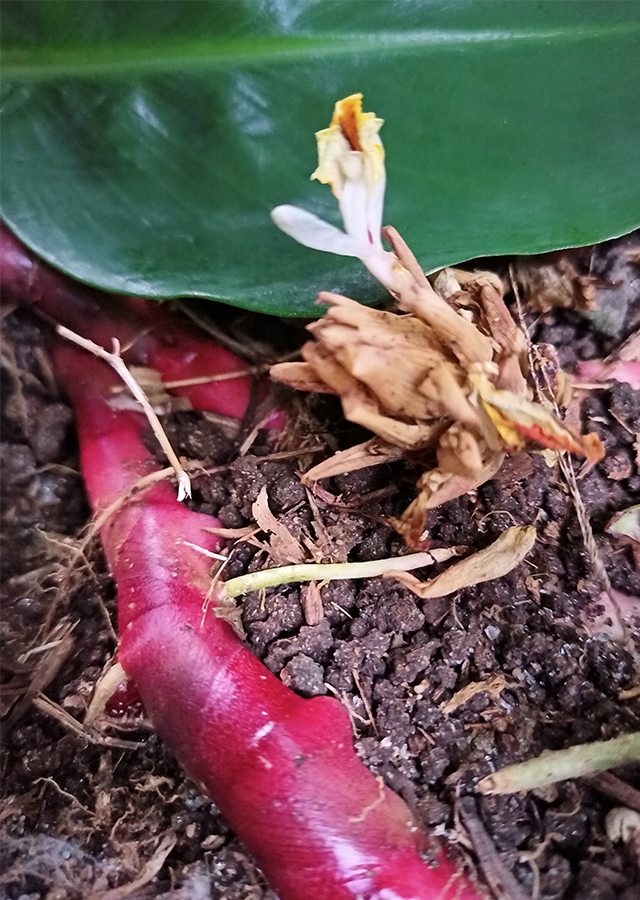
- Roots fibrous, dirty white in color with a long round rhizome.
- Stem a pseudostem, formed of leaf sheaths.
- Leaves simple, dark green, lanceolate, pointed tip, smooth margins.
- Flowers compound, calyx 12.5 cm long with an elliptical anther head, corolla tube-shaped, white or yellowish-white.
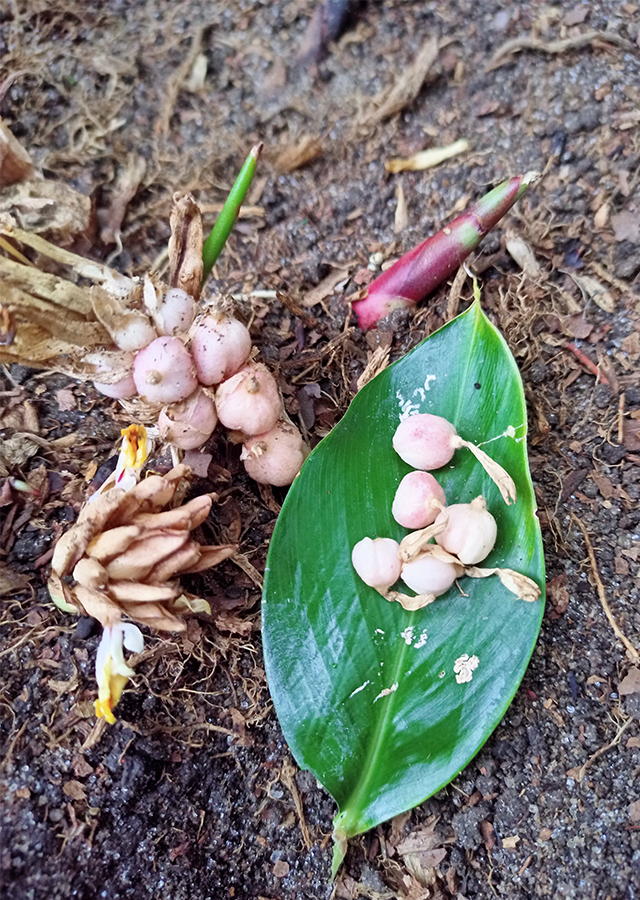
- Fruit round and elongated, ridged, three-angled, somewhat flattened, yellowish-white or grayish-yellow, three-chambered, each chamber separated by a thin membrane.
- Seeds dark brown and aromatic.
Cultivation
- Vegetative propagation: Select a parent clump at least 12 months old and offshoots that already have 4-8 leaves and are 80-100 cm tall. Separate the offshoots from the parent clump and plant directly in the field as seedlings.
- Generative propagation begins with sowing mature seeds, which germinate 5-7 days after sowing.
Chemical Content
Essential oil, terpineol, linalyl acetate, cineole, saponins, flavonoids, linalool, sabinene, limonene.
Benefits
Treats cough and sore throat; acts as a postpartum tonic; reduces rheumatic pain; reduces fever; treats intestinal pain.
Simplisia
- Select mature, good-quality cardamom fruit.
- Wash and clean the cardamom seeds. Weigh in a container.
- Sun-dry for 7 days or until the cardamom seeds are completely dry, reaching a moisture content of 10%.
- Once dry, store in a closed container.
Local Names
Puwar (Sumatra), Kapulogo (Java), Karkokala (Bali), Garidimong (South Sulawesi), Kardamunggu (Betawi), Pelaga.
Traditional Recipes
The following recipes reflect traditional knowledge passed down through generations, not a substitute for professional medical diagnosis or advice. Consult a healthcare provider before use.
1. Sore Throat
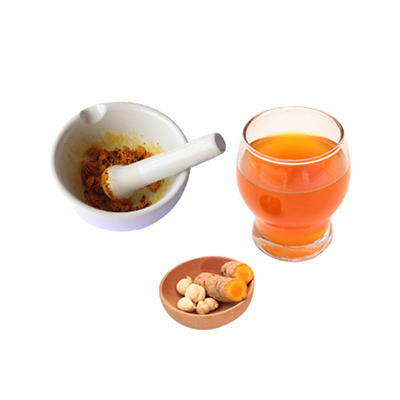
- Prepare 10 cardamom pods and 6 g turmeric rhizome.
- Coarsely pound the cardamom and turmeric, then cook in 100 ml of water until boiling, let cool, and strain.
- Drink the mixture twice a day for 7 days.
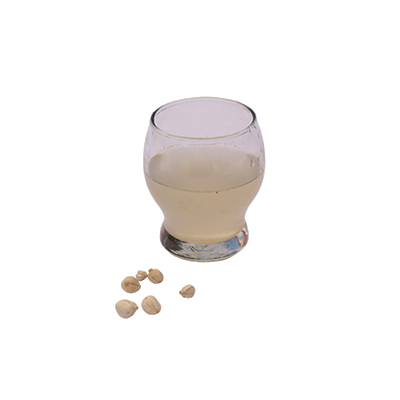
2. Cough
- Grind 10-20 g of cardamom into a powder, then steep in hot water.
- Drink 2-3 times a day until recovered.