Zea mays L.
Summary
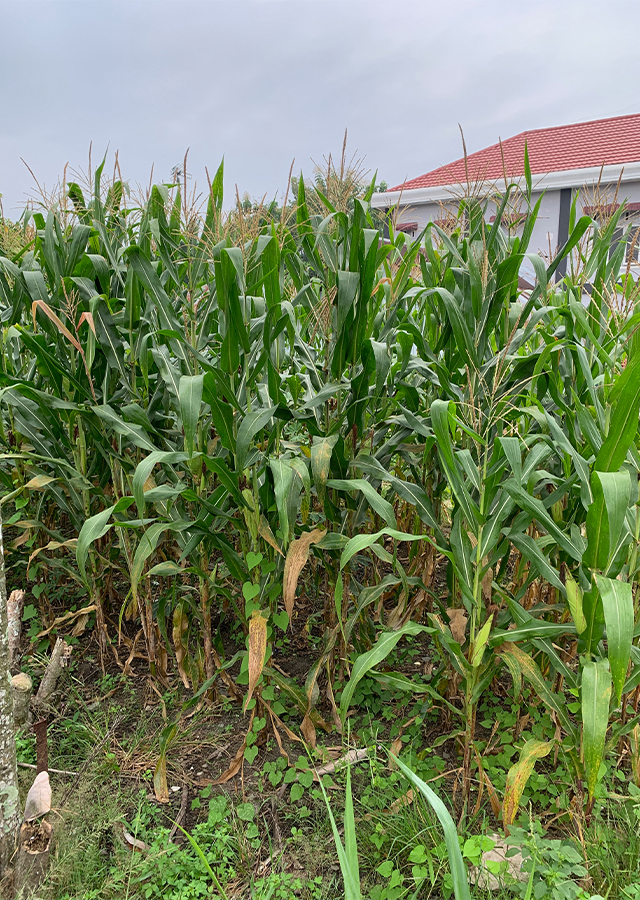
Corn (Zea mays) is an annual herb with an average height of 2-2.5 meters of the Poaceae family, native to southern Mexico and believed to have been cultivated by the Olmec and Maya peoples for 10,000 years before the Portuguese brought it to Asia in the 16th century. Besides being a staple food worldwide, corn is also processed into flour, paper, and industrial soap material. Corn is traditionally believed to help lower diabetes risk and support heart health.
Agroecology
Grows well at elevations of 1,000-1,800 m above sea level, rainfall ranging from 250-2,000 mm/year, requiring full sunlight. Suitable soil types are andosol, latosol, grumosol, and sandy soil. The best soil acidity (pH) is 5.5-7.0.
Morphology
- Roots consist of seminal roots that grow downward when the seed germinates, coronal roots that grow upward, and aerial roots that grow from nodes above the soil surface.
- Stem jointed, with a varying number of segments (10-14 segments), unbranched, upper segments somewhat cylindrical, lower part somewhat round-flattened.
- Leaves emerge from stem nodes, stiff leaf veins, sheath enveloping the stem segment, 30-150 cm long, 4-15 cm wide.
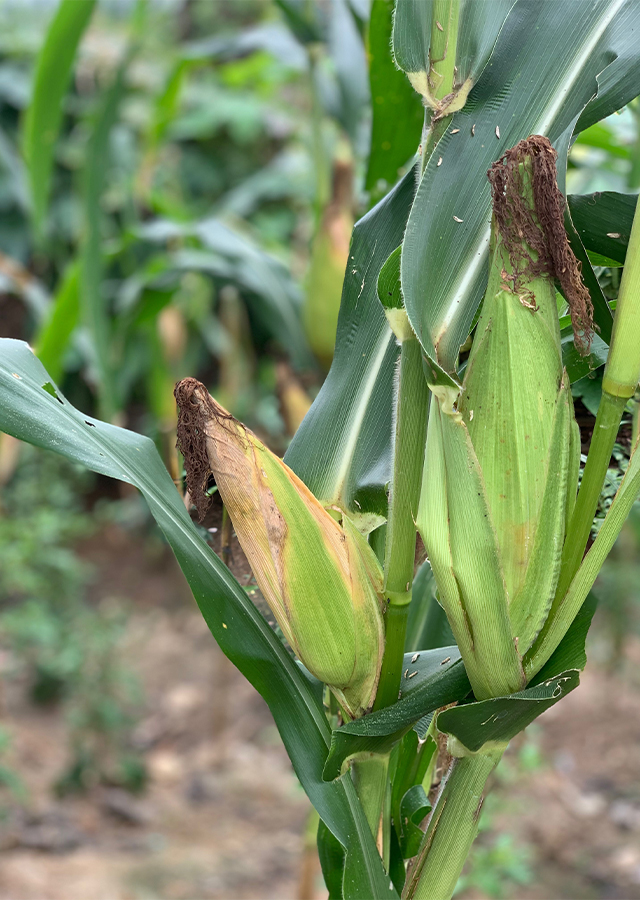
- Fruit consists of a cob, kernels, and husk leaves.
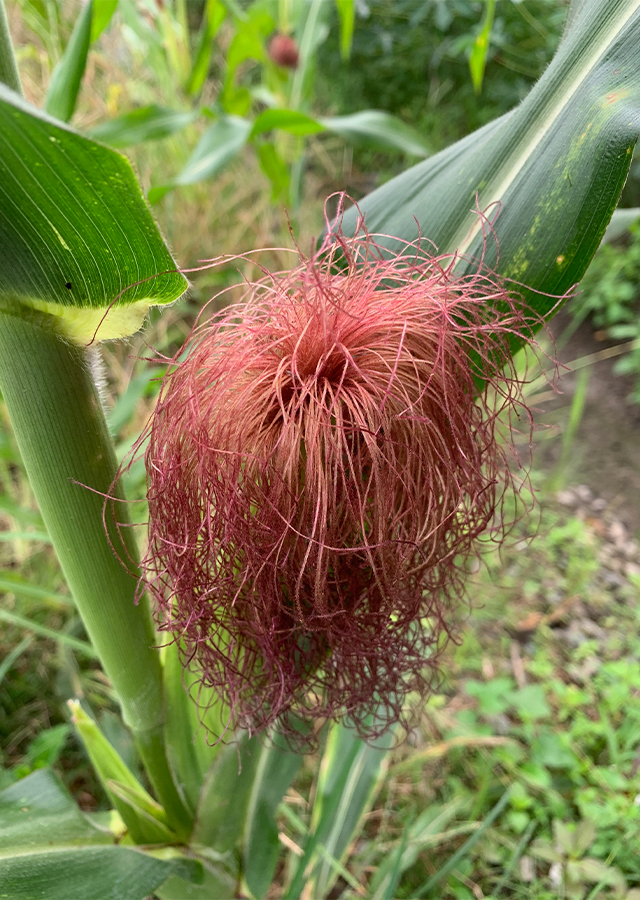
- Flowers monoecious, male flowers form at the top of the stem, female flowers located in the middle of the stem.
- Seeds vary depending on the variety.
Cultivation
Propagated generatively using seed.
Chemical Content
Phenolic, flavonoid, β-carotene, lutein, saponin, sesquiterpene, steroid, volatile compounds, phlobatannins, alkaloid, terpenoid.
Benefits
Lowers diabetes risk, lowers cholesterol, high blood pressure, controls blood sugar and uric acid levels, good for heart and eye health, addresses depression, diuretic.
Simplisia
- Wash corn silk with running water, then drain and dry.
- Drying is best done at a temperature of 30-90 °C (60 °C is optimal).
- Once dry, store in an airtight container.
Local Names
Jagong (Sunda, Aceh, Batak, Ambon), Jago (Bima).
Traditional Recipes
The following recipes reflect traditional knowledge passed down through generations, not a substitute for professional medical diagnosis or advice. Consult a healthcare provider before use.
1. High blood pressure
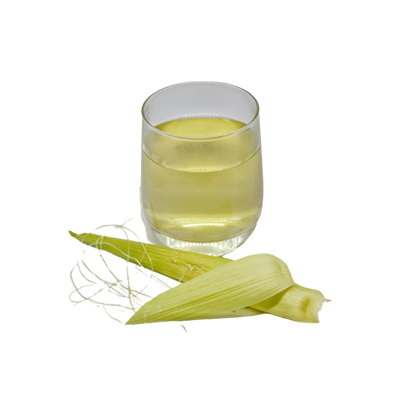
- Wash 50-150 g corn silk then boil with 3 glasses of water. Boil until reduced to 1½ glasses, cool and strain.
- Drink every morning after eating.
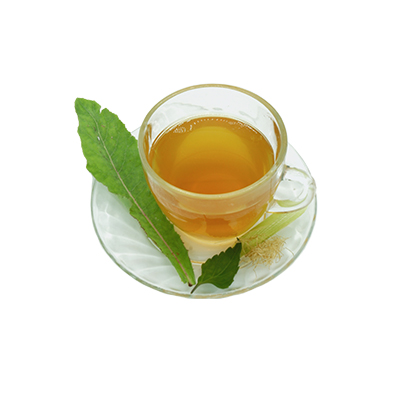
2. Gout
- Clean 50 g corn silk, 50 g tempuyung, 100 g kumis kucing (cat's whiskers).
- Boil all ingredients with 3 glasses of water until reduced to 1 glass, strain and cool.
- Drink all at once in the morning.
- Note: The remaining residue can be used for a second boiling in the afternoon.
Reference Sources
- Chevallier, A. (2016). Encyclopedia of Herbal Medicine. DK Publishing, New York. Page 154.
- Fern, Ken (2014). Useful Tropical Plants Database. Zea mays. http://tropical.theferns.info/viewtropical.php?id=Zea%20mays. 02-02-2021.
- Health Benefits Times Database. (No date). Corn – Zea mays. https://www.healthbenefitstimes.com/corn/. 02-02-2021.
- Lim, T.K. (2016). Edible Medicinal and Non-Medicinal Plants. New York. Springer Vol. 5 page 416.
- Tapsoba, H., Deschamps, J.P. (2006). Use of medicinal plants for the treatment of oral diseases in Burkina Faso. Journal of Ethnopharmacology Vol. 104: 68–78. http://www.ethnopharmacologia.org/prelude2016/pdf/biblio-ht-23-tapsoba.pdf. 02-02-2021.