Ziziphus mauritiana Lam.
Summary
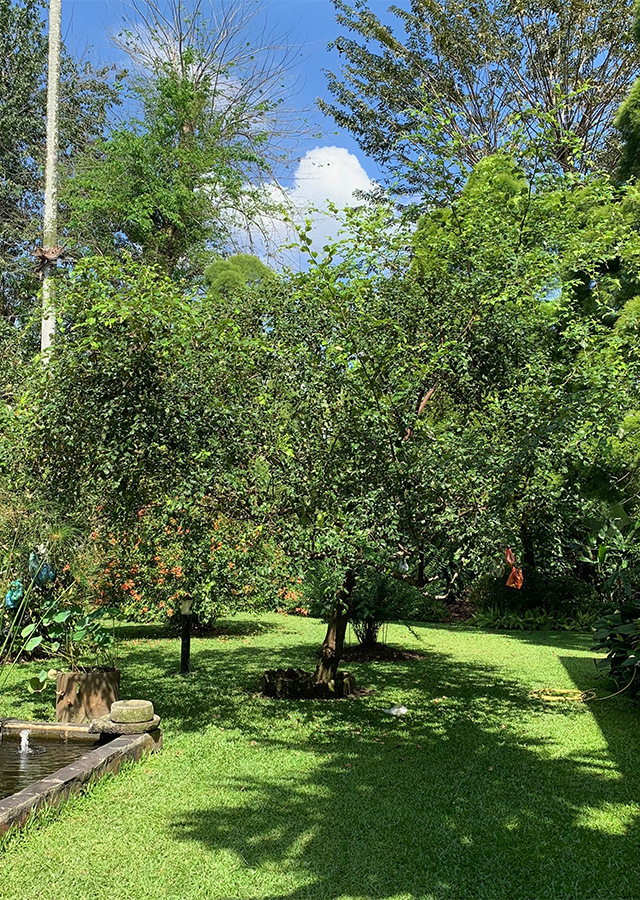
Bidara putsa (Ziziphus mauritiana) is a shrub up to 15 meters tall of the Rhamnaceae family, a plant native to the Indo-Malesia Southeast Asia region now commercially developed in India, China, and Thailand. Its crisp, sweet fruit is commonly eaten fresh as a healthy snack. Traditionally, bidara putsa is also believed to speed up wound healing and maintain oral health.
Agroecology
This plant grows well in regions with a distinct dry season. Grows well in areas with rainfall between 300-500 mm/year. Bidara can be developed up to elevations of 1,000 m above sea level.
Morphology
- Stem 40 cm diameter, drooping branches, tangled twigs, and short hairs.
- Leaves single alternating, egg-shaped to oblong, smooth edges, glossy on the upper side, densely covered with whitish hairs on the underside, three main veins running parallel.
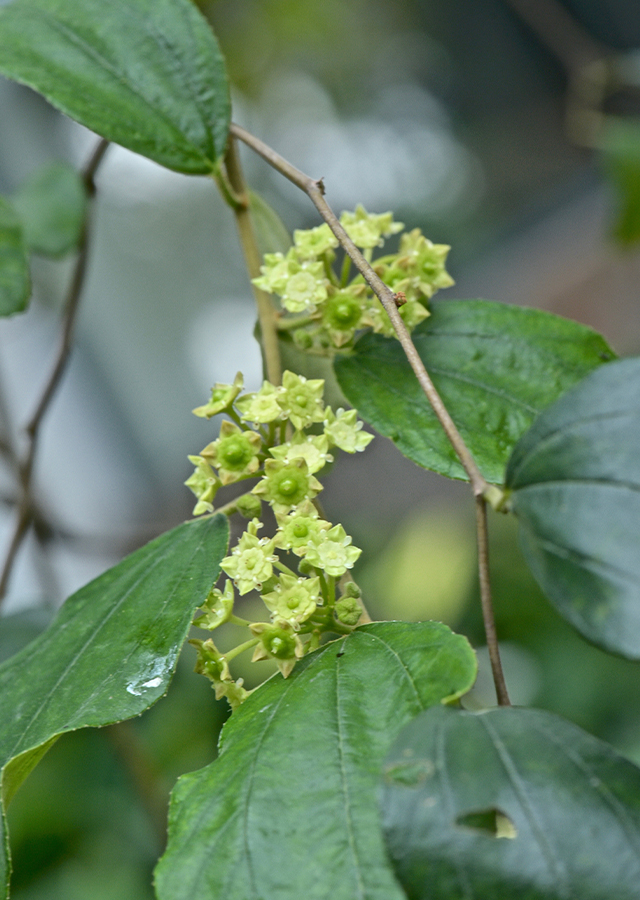
- Flowers forked umbrella-shaped, growing at leaf axils, containing 7-20 blooms. Small, yellowish, fragrant, calyx with 5 spatula-like lobes, concave, curved.
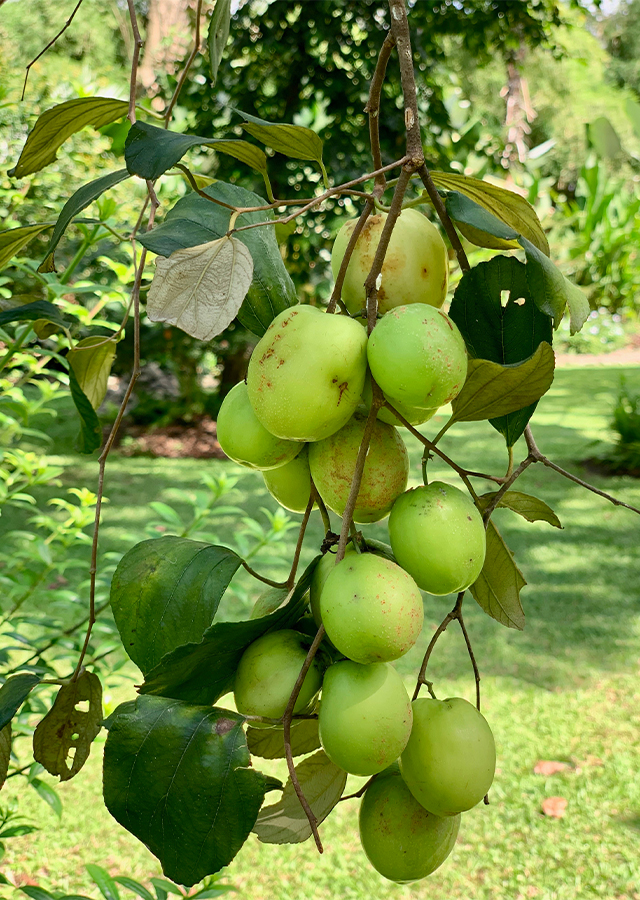
- Fruit an egg-shaped drupe, smooth-rough skin, glossy, thin, sticky, yellowish, reddish to blackish when ripe.
- Seeds shelled, bumpy, irregularly grooved, containing 1-2 kernels, brown in color, oblong shaped.
Cultivation
Propagated using seed, cuttings, and air-layering.
Chemical Content
Flavonoids, alkaloids, glycosides, saponins, tannins, polyphenols, triterpenoids, jujubosides, betulinic acid, ceanothic acid, frangufoline, spinosin, daucosterol, docosanoic acid, stearic acid, palmitoleic acid.
Benefits
Maintains oral health, promotes menstruation, addresses dry skin problems, speeds wound healing, has antioxidant, antimicrobial, antitumor, haemolytic (anemia), analgesic, anticancer, antibacterial, anti-infective, anti-inflammatory, antidiabetic activity.
Simplisia
- Take an adequate amount of bidara fruit, wash thoroughly.
- Slice the fruit thinly, discard the seeds.
- Dry the fruit slices, arrange on a tray in direct sunlight.
- Store in a special container, place in a cool location.
Local Names
Widara (Java), Bukol (Madura), Bekul (Bali), Bedara (Alor), Rangga (Bima), Kalangga (Sumba).
Traditional Recipes
The following recipes reflect traditional knowledge passed down through generations, not a substitute for professional medical diagnosis or advice. Consult a healthcare provider before use.
1. Maintaining Body Stamina and Gaining Weight
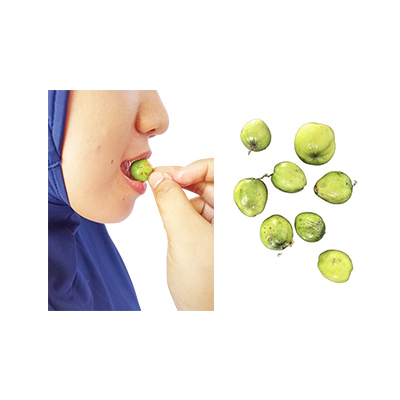
- Consume 1-2 bidara putsa fruits every day until reaching the desired body weight.
Reference Sources
- CABI. (2007). Invasive Species Compendium. Ziziphus mauritiana (Jujube). https://www.cabi.org/isc/datasheet/57556. 11-02-2021.
- Fern, Ken. (2014). Useful Tropical Plants: Ziziphus mauritiana. http://tropical.theferns.info/viewtropical.php?id=Ziziphus+mauritiana. 11-02-2021.
- HealthBenefitsTimes.com. (No date). Health benefits of Indian jujube. https://www.healthbenefitstimes.com/indian-jujube/. 11-02-2021.
- Lim, T. K. (2013). Edible Medicinal and Non-Medicinal Plants: Vol. 5, Fruits. Springer. DOI 10.1007/978-94-007-5653-3_2. (pp.605-613).
- StuartXchange. (2016). Philippines Medicinal Plants. Ziziphus mauritiana Lam. http://www.stuartxchange.com/Mansanitas.html. 11-02-2021.